Watch 101
How to Match a Watch to Your Outfit
 Hannah Brooks·4 min read
Which wrist, how high, how tight, and what to do with a shirt cuff. The rules of wearing a watch are few and mostly practical, and the handful of etiquette points are worth knowing before an interview or a wedding.
Prices checked October 9, 2026Compared across brandsHow we choose

There is no single correct way to wear a watch, but there are a few habits that separate a watch that looks right from one that looks borrowed. Most of them are about fit: a watch sitting in the wrong place, too loose or too big draws the eye for the wrong reasons. The rest are small points of etiquette that matter in particular settings. Here is the short version of each.
Convention puts the watch on your non dominant wrist, which for most people is the left. There are three practical reasons. Your dominant hand does more work, so a watch there gets knocked and scratched more. It is easier to read the time on the wrist that is not busy writing or holding a phone. And on a traditional watch the crown is on the right side of the case, so with the watch on the left wrist your right hand can reach it to set or wind it.
If you are left handed, wearing it on the right is perfectly normal, and some watches are made with the crown on the left for exactly that. If the left feels wrong, ignore the rule. Nobody will notice which wrist you choose; they will notice if it fits badly.
Price tracker · prices checked October 9, 2026
What one watch has cost over time, listed and per watch while the store ran its offer.
A watch belongs just above the small bump of bone on the outside of your wrist, on the forearm side. Sitting there, it stays put when you bend your hand back, it does not dig into the joint, and it slides neatly under a shirt cuff. Too far down and it presses on the back of the hand every time you flex; too far up the forearm and it looks like it has slipped.
Most people wear the dial on the outside of the wrist. Wearing it on the inside, dial facing the palm, is an old military habit that protects the crystal and keeps light from glinting off it. It is unusual today, but not wrong.
The one finger rule is reliable: you should be able to slide a finger between the band and your wrist, and no more. A watch that is too loose slides down over the hand, spins so the dial ends up underneath, and makes even a modest case look oversized because it hangs. A watch that is too tight leaves marks and gets uncomfortable as the day warms up and wrists swell slightly.
Fit also depends on choosing the right size in the first place. If the lugs overhang the edges of your wrist, no amount of adjusting will fix it; see how to choose the right watch size.
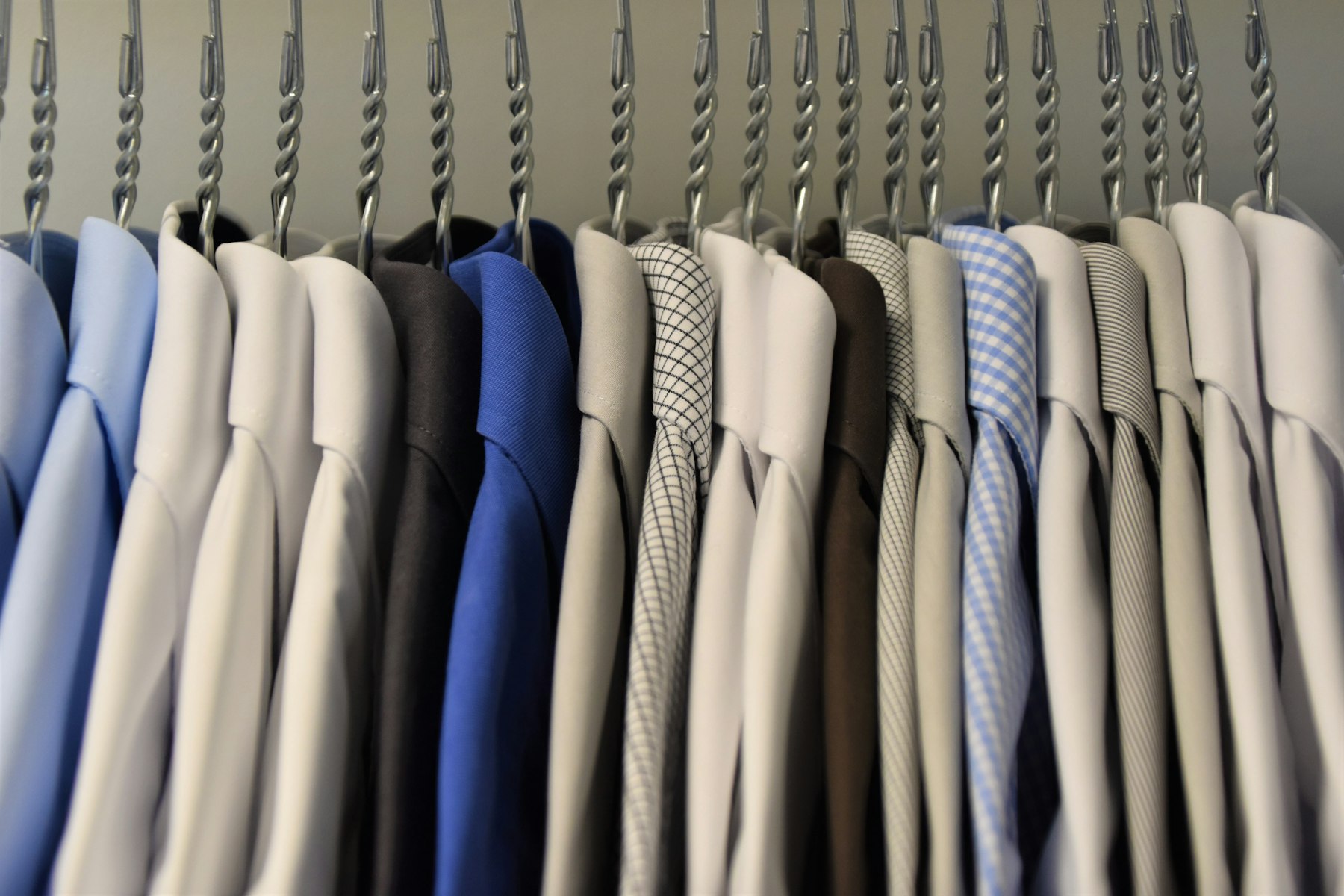
With a long sleeved shirt, the watch should sit just inside the cuff, showing when you reach forward and hidden when your arm hangs. That is one reason dress watches are slim: a thick case catches the cuff and forces it open. A few practical points:
The old rule is to match metals: a steel watch with a silver belt buckle and silver rings, a gold tone watch with gold tone accessories. It is a good default, though mixing metals is common now and a two tone watch can bridge both. The other principle is register: a sporty chronograph with a tuxedo looks out of place, and a delicate dress watch with gym clothes looks precious.
| Setting | What tends to work | What tends to clash |
|---|---|---|
| Black tie | A slim dress watch on a black leather strap, or no watch at all | Large sports and dive style watches |
| Business suit | Dress watch or a slim steel sports watch on a bracelet | Rubber straps, chunky chronographs |
| Smart casual | Almost anything; integrated bracelet watches are at home here | Very formal dress watches can look stiff |
| Weekend and outdoors | Chronographs, dive style watches, field watches on fabric straps | Delicate leather straps that dislike water |
A versatile choice for most of those rows is a steel watch on a bracelet with a plain dial. A chronograph like the Lucky Fours Chronometer, with its white dial and three subdials, leans sporty and suits smart casual and weekend settings best. For a full breakdown by outfit, read how to match a watch to your outfit.
Bead and chain bracelets can go on the same wrist as a watch or on the other. On the same wrist, keep them below the watch, toward the hand, so they do not scratch the case, and choose pieces that echo the watch's metal or color. On the opposite wrist they balance the look and avoid wear altogether. There is more in how to stack a watch with bracelets.
Keep the bracelet clean, because grime between the links reads as neglect from across a table. Set the time accurately; a watch running ten minutes slow is a strange accessory. Keep the dial centered on top of your wrist by sizing the bracelet evenly from both sides of the clasp. And wear it, which is the one thing every watch is for.
Traditionally the non dominant wrist, so the left for right handed people. It keeps the watch out of the way, protects it from knocks and lets you wind or set it with your stronger hand. Left handed people often wear it on the right. Either is correct.
Tight enough that it does not slide down over your hand or spin around the wrist, loose enough that you can slip one finger between the strap and your skin. Leave a little more room on hot days.
Under. A watch should sit just below the cuff so that it shows when you reach or bend your arm and disappears when your arm hangs. Wearing it over the cuff is a deliberate style statement, not the norm.
Glancing at it during a conversation or a meeting signals that you want to leave. If you need the time, a brief, open glance with an explanation is better than repeated sneaked looks.

Daniel Reyes covers men's sports and everyday watches for WatchesUnder, mostly at the under $200 end of the market: what a watch costs, what it compares to, and whether the price holds up against the alternatives. Prices in his guides are checked against each brand's own website.
Watch 101
Hannah Brooks·4 min read
Watch 101
 Michael Chen·5 min read
Women's Watches
Hannah Brooks·5 min read

Watch 101
Michael Chen·5 min read
We use cookies and similar technology to see which guides are read. When you arrive from an ad, we also pass the ad's click identifier to the store you visit from our links. You can accept or reject this, and change your choice any time under Cookie settings. Privacy policy
