Watch 101
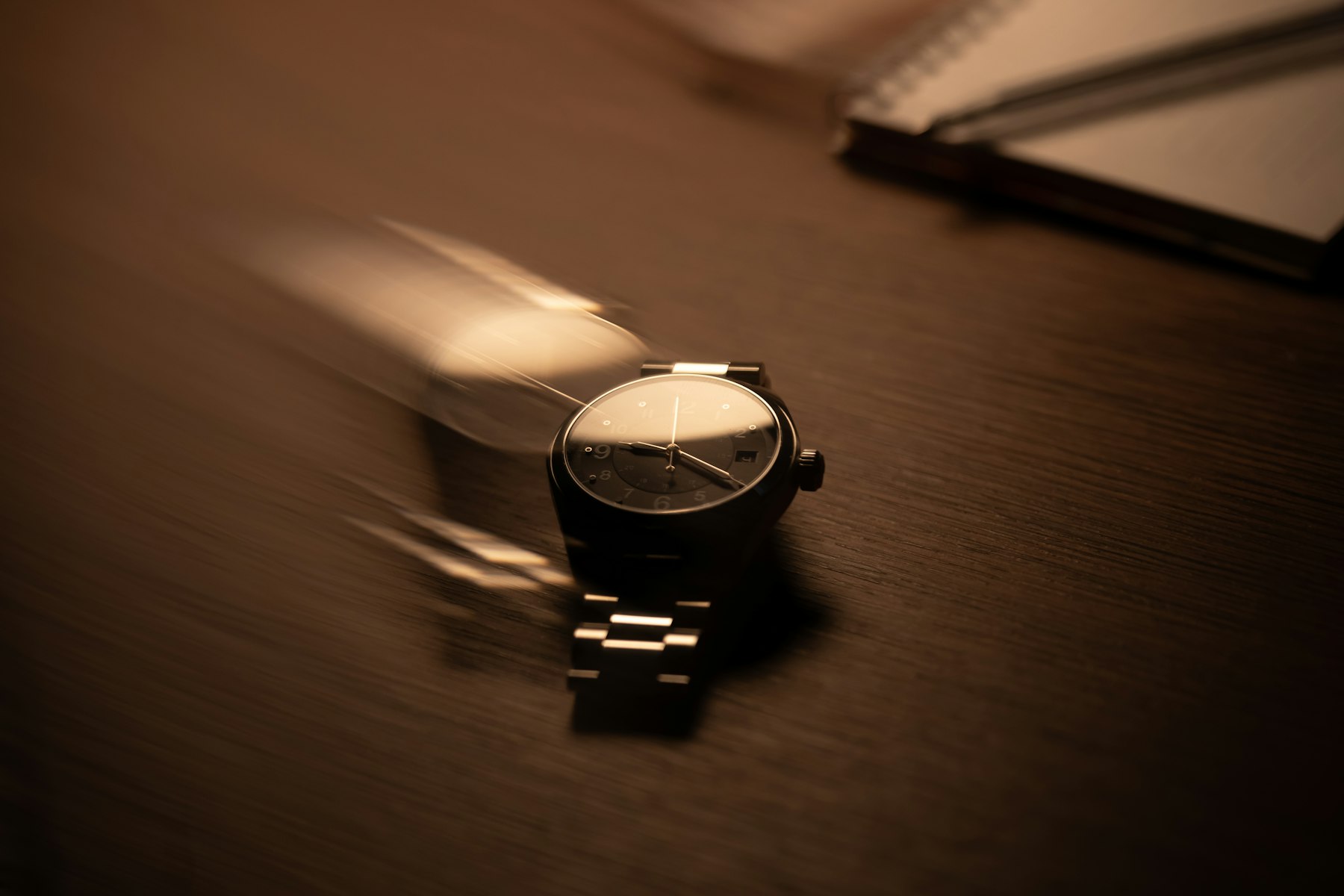
Quartz vs Automatic: Which Movement Should You Buy?
 Michael Chen·8 min read
How watches work, how to size, wear and care for them, and the terms worth knowing.
Watch 101
Michael Chen·8 min read

Watch 101
Michael Chen·5 min read
Watch 101
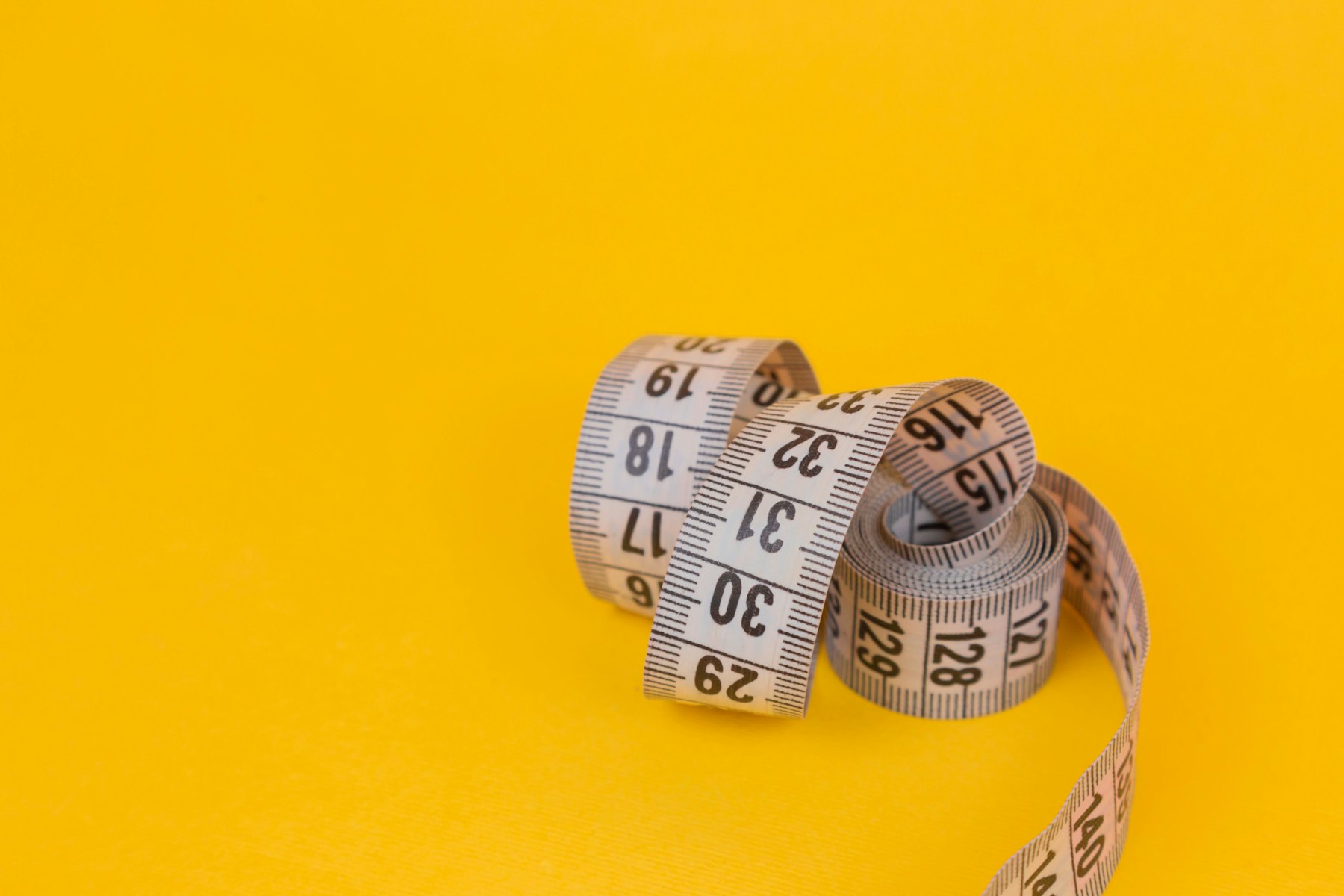
Find your wrist in the first table and read across. The tables below it adjust the range for case style, cover women's sizing and strap length, and place well known watches on the chart.
Michael Chen·October 9, 2026·4 min read
Watch 101
316L is the steel almost every watch you will consider is made from, at nearly every price. Here is what is in it, why watchmakers chose it, what it does well and what it does not.
Michael Chen·October 9, 2026·5 min read
Watch 101
Shortening a steel bracelet takes about ten minutes, a pin pusher and some patience. This guide covers the three pin systems you will meet, the order of work, and how to fine tune the fit afterward.
Michael Chen·October 9, 2026·5 min read
Watch 101
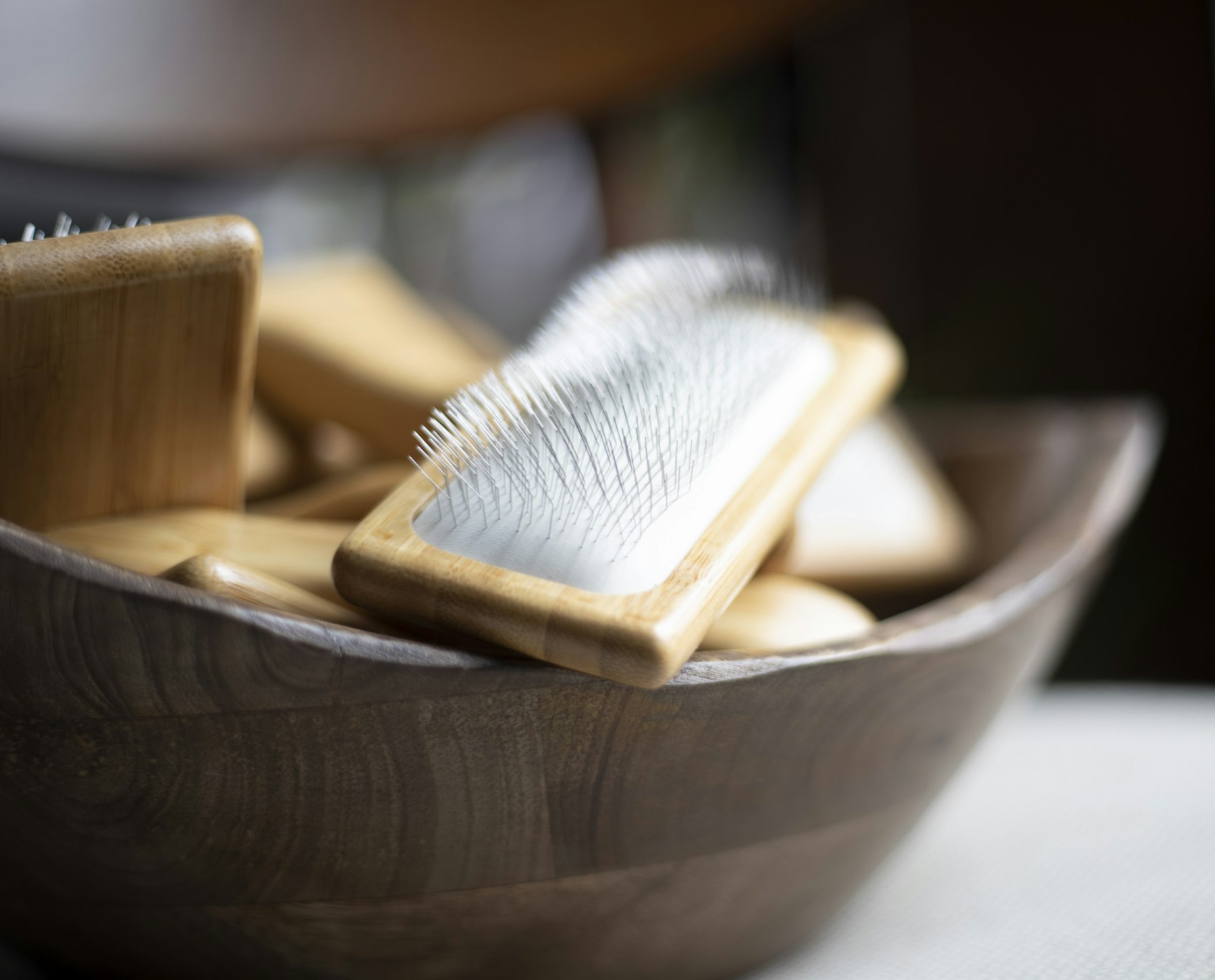
A dirty bracelet is the fastest way to make a good watch look tired. Twenty minutes with a soft brush, mild soap and a cloth fixes it, as long as you know what the watch can and cannot take.
Michael Chen·October 9, 2026·4 min read
Watch 101
Most damage to watches happens in a drawer, not on the wrist: scratches from other watches, leaking batteries, faded straps. A few simple storage habits prevent all of it.
Michael Chen·October 9, 2026·4 min read
Watch 101
The honest answer is one, if you choose it well. The practical answer for most people is three: one for every day, one dressier, one for the weekend. Here is how to build that rotation and what it costs at different budgets.
 Daniel Reyes·October 9, 2026·5 min read
Watch 101
Which wrist, how high, how tight, and what to do with a shirt cuff. The rules of wearing a watch are few and mostly practical, and the handful of etiquette points are worth knowing before an interview or a wedding.
Daniel Reyes·October 9, 2026·5 min read
Watch 101
A watch is a few dozen visible parts around a few hundred hidden ones. This tour works from the outside in, naming each part, what it does and what it tells you about the watch in front of you.
Michael Chen·October 9, 2026·6 min read
Watch 101
Every term you are likely to meet on a spec sheet, in a review or at a watch counter, defined in a sentence or two. Jump to a letter, or link straight to any term.
Michael Chen·October 9, 2026·10 min read
Watch 101
A chronograph is a watch with a stopwatch built in. Here is what each pusher and subdial does, how to read a tachymeter, and the habits that keep the mechanism happy.
Michael Chen·October 9, 2026·6 min read
We use cookies and similar technology to see which guides are read. When you arrive from an ad, we also pass the ad's click identifier to the store you visit from our links. You can accept or reject this, and change your choice any time under Cookie settings. Privacy policy