Michael Chen covers automatic watches, watch brands and Watch 101 for WatchesUnder: how movements work, how to size and care for a watch, and how the affordable brands compare. Prices in his guides are checked against each brand's own website.
Five hundred dollars buys your first Swiss watch, a properly respected Japanese automatic or a genuine tool watch. This guide is led by Tissot, Citizen and Seiko, because at this price they deserve to lead.
A mechanical watch for under $200 used to mean a gamble. Now there are several sound choices, almost all from online brands. Here is how to judge them, the four we would buy, and the case for saving up for a Seiko instead.
Under $500 you are really choosing a movement, then a case to put it in. We explain what each of the main automatic families offers, which watch to buy around each, and where the less expensive alternatives fit.
Under $500 you can buy a genuine dive watch from a maker that publishes its ratings and builds to them. Here is what separates a diver from a watch that looks like one, and the best of each.
A good watch can cost $80 or $8,000, depending on what you mean by good. Here is the whole price ladder, step by step, with what each rung adds and where most people should stop climbing.
Under $100, quartz is not the compromise option, it is the right one. Here is why, and the best quartz watch in each of the five main types, from a plain three hand dress watch to a digital you can throw in a bag.
An expensive looking watch is the sum of small decisions most people never name. Here are the eight we check first, what each one looks like done well, and how to spot it in a product photo.
Seven designs account for most of what people picture when they think of a luxury watch. For each one we give the rounded price at the top, then the least expensive way to wear the look and the established brand route in between.
The red and blue bezel was designed to tell the time in two places at once. Most affordable watches that wear it only borrow the look. We explain the difference and help you choose between the look and the function.
Cost per wear is the most common argument for buying an expensive watch, and it cuts both ways. We set out the formula, run honest examples for luxury, entry Swiss and affordable watches, and give you a calculator to run your own.
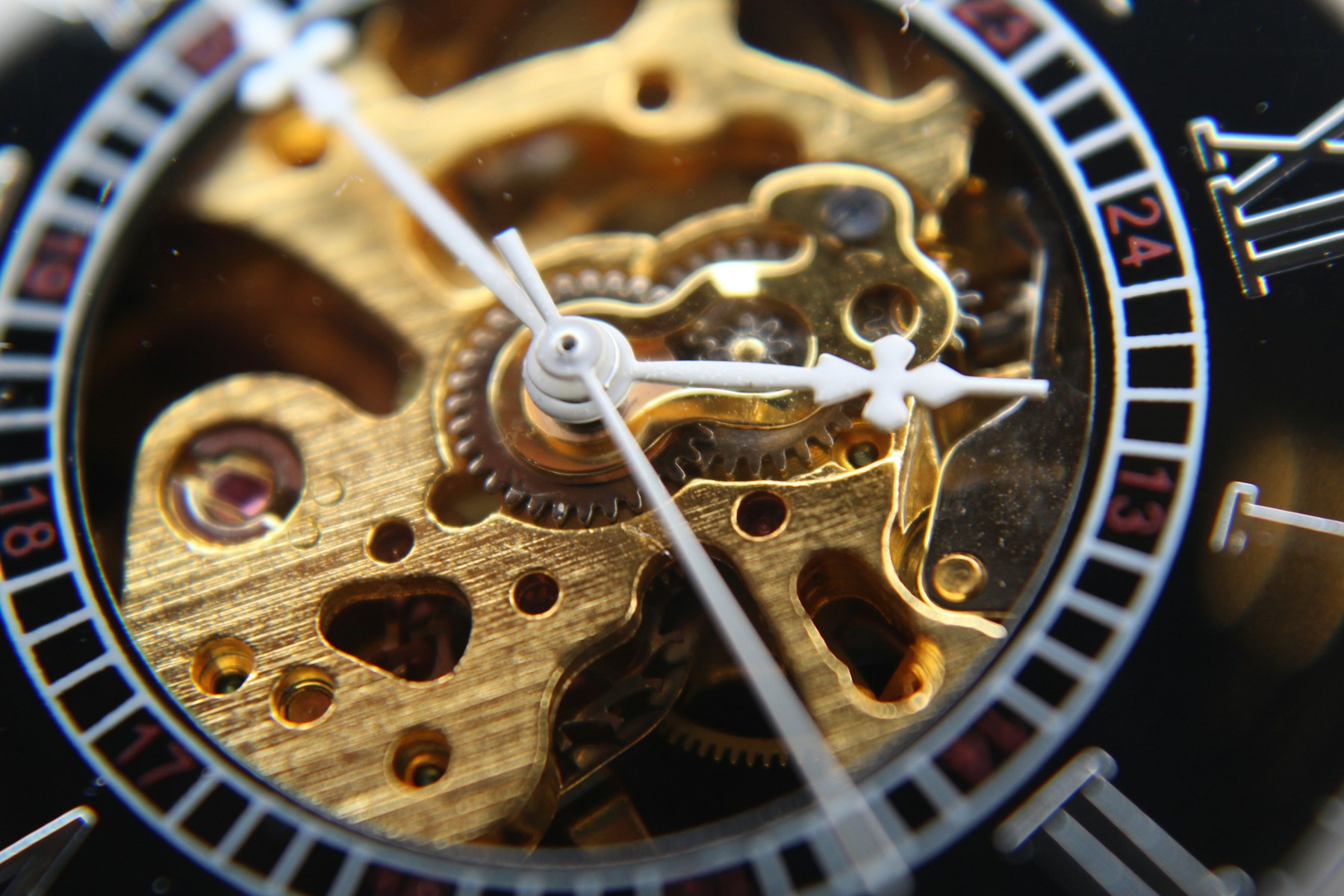
An open dial is one of the oldest tricks in watchmaking and one of the most copied. We separate the affordable skeletons with a genuine automatic movement from the quartz watches that only print one, and show what the look costs at every level.
A skeleton dial changes character with the case, strap and colour around it. Here is which open dial watch suits the office, the weekend and a night out, and what to check on your own wrist first.
Two skeleton watches can look almost identical in a photo and be completely different machines. Here is what sits behind each kind of open dial, how to spot the difference, and when the quartz version is the smarter buy.
Two watches with the same colour dial can look a world apart, and the reason is usually texture. Here is how each common dial finish is made, what it does to light and colour, and which affordable watches use it best.
Two very different watches both get called pilot watches. Here is how to tell them apart, which one suits the way you dress, and the best options under $100 with a few honest step ups.
A rotating bezel and luminous markers make a watch look like a diver. Only the specifications make it one. Here is how to tell the difference before you take a watch into the water.
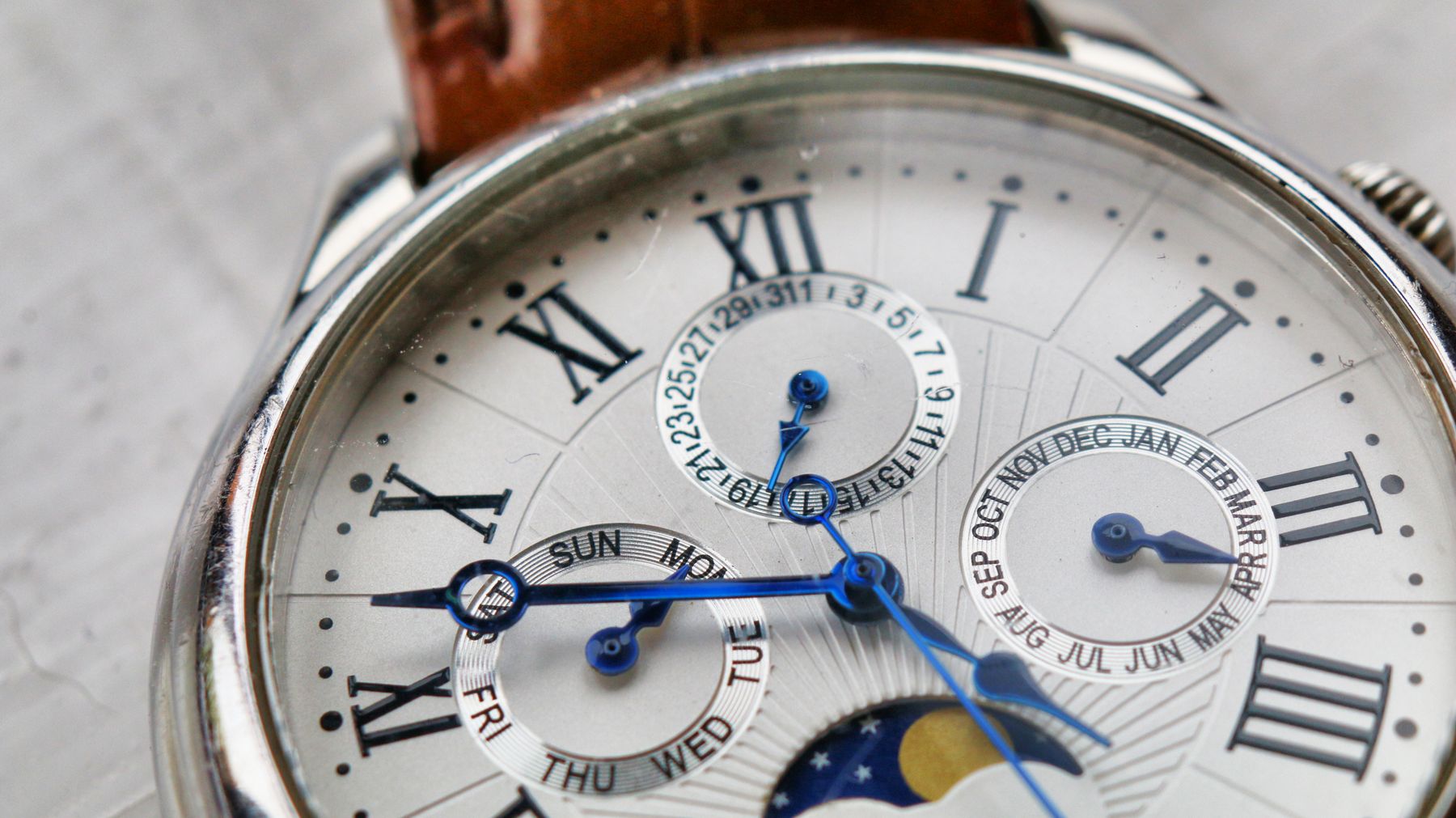
Two small windows on the dial hide a surprisingly clever mechanism. We explain how the day and date advance, how to set them without damage, and which affordable day date watches are worth buying.
A limited edition can mean five hundred numbered pieces or a color that stays on sale until it sells out. We explain the difference, the questions worth asking, and the limited and special editions under $500 worth a look.
A graduation is the classic moment for a first real watch: the one that goes to job interviews, first days and the photos that come after. Here is what to give at each stage, and what it should cost.
The gold watch at retirement is one of the oldest gift traditions in working life. It still works, with one change: the watch is now for pleasure, not punctuality. Here is how to choose one, alone or as a team.
A teenager's first watch should be easy to read, hard to break and cheap enough not to matter if it goes missing at camp. Here is what to look for, and the watches that get it right.
Seven names cover almost every good watch under $1,000. Each is strong at something different, from $30 digitals to Swiss automatics. Here is what each brand does best, where its prices start, and who it suits.
Seiko sells everything from a $225 quartz dress watch to automatic divers that cost several times that. Here is how the US range is organized, what each line does well, and where we would spend the money.
Seiko's US store starts at about $225, so a $100 budget means looking elsewhere. We matched each Seiko style to the watches that come closest for under $100, and said where each falls short.
The Seiko 5 Sports is still the default first automatic. We look at what it does well, where it has slipped as prices rose, and which watches deserve a look at the same money, for less, and for a little more.
Citizen's big idea is a watch that runs on light and never needs a battery. Here is how the US range breaks down, what the current prices are on Citizen's own site, and the models we think are the best buys.
Everyone knows the $30 Casio digital. Fewer people know how much else the brand makes for under $200, from gold tone vintage digitals to analog dress watches and steel chronographs. Here is the range, and what to buy.
Casio and Timex make most of the good watches you can buy for under $100. They are not interchangeable: each is clearly better at certain kinds of watch. Here is where each one wins.
Timex has made affordable watches in Connecticut since the nineteenth century, and its range now runs from a $77 Weekender to automatic Marlins. Here is what each line is for and which models we would buy.
Tissot is where most people buy their first Swiss watch, and the PRX is the reason many of them do. Here is the US range from $350 to under $1,000, what Powermatic 80 means, and which model gives the most for the money.
Bulova has spent 150 years making watches that look more expensive than they are, and a few that changed watch technology. Here is how the current range works, what is on sale, and which models are worth your money.
A Swiss label adds real money to a watch's price. Sometimes it buys something you can see and feel, sometimes mostly a name. Here is what the two labels actually guarantee, and how the watches compare when the price is the same.
Small, owner run watch brands now make some of the most interesting watches under $1,000. Here is how they work, what their spec sheets mean, and the questions to ask before you send money to a company you found on social media.
A quartz watch is more accurate, cheaper to run and easier to own. An automatic is a small machine you can watch working. Here is how each one works, what it costs to live with, and how to decide.
Case diameter is the number everyone quotes and the one that tells you least. This is the five step method for judging how a watch will actually sit on your wrist before you buy it.
Find your wrist in the first table and read across. The tables below it adjust the range for case style, cover women's sizing and strap length, and place well known watches on the chart.
316L is the steel almost every watch you will consider is made from, at nearly every price. Here is what is in it, why watchmakers chose it, what it does well and what it does not.
Shortening a steel bracelet takes about ten minutes, a pin pusher and some patience. This guide covers the three pin systems you will meet, the order of work, and how to fine tune the fit afterward.
A dirty bracelet is the fastest way to make a good watch look tired. Twenty minutes with a soft brush, mild soap and a cloth fixes it, as long as you know what the watch can and cannot take.
Most damage to watches happens in a drawer, not on the wrist: scratches from other watches, leaking batteries, faded straps. A few simple storage habits prevent all of it.
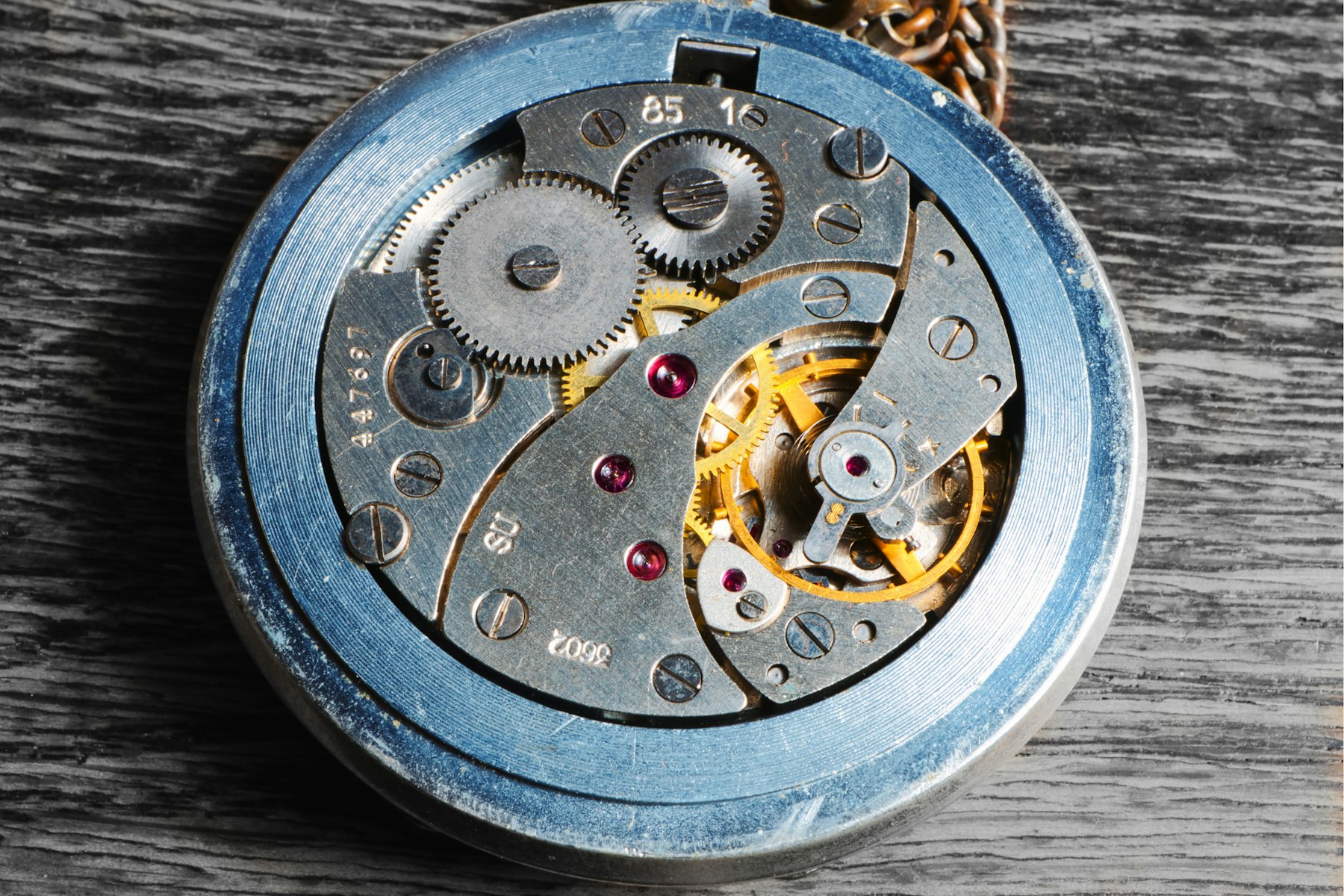
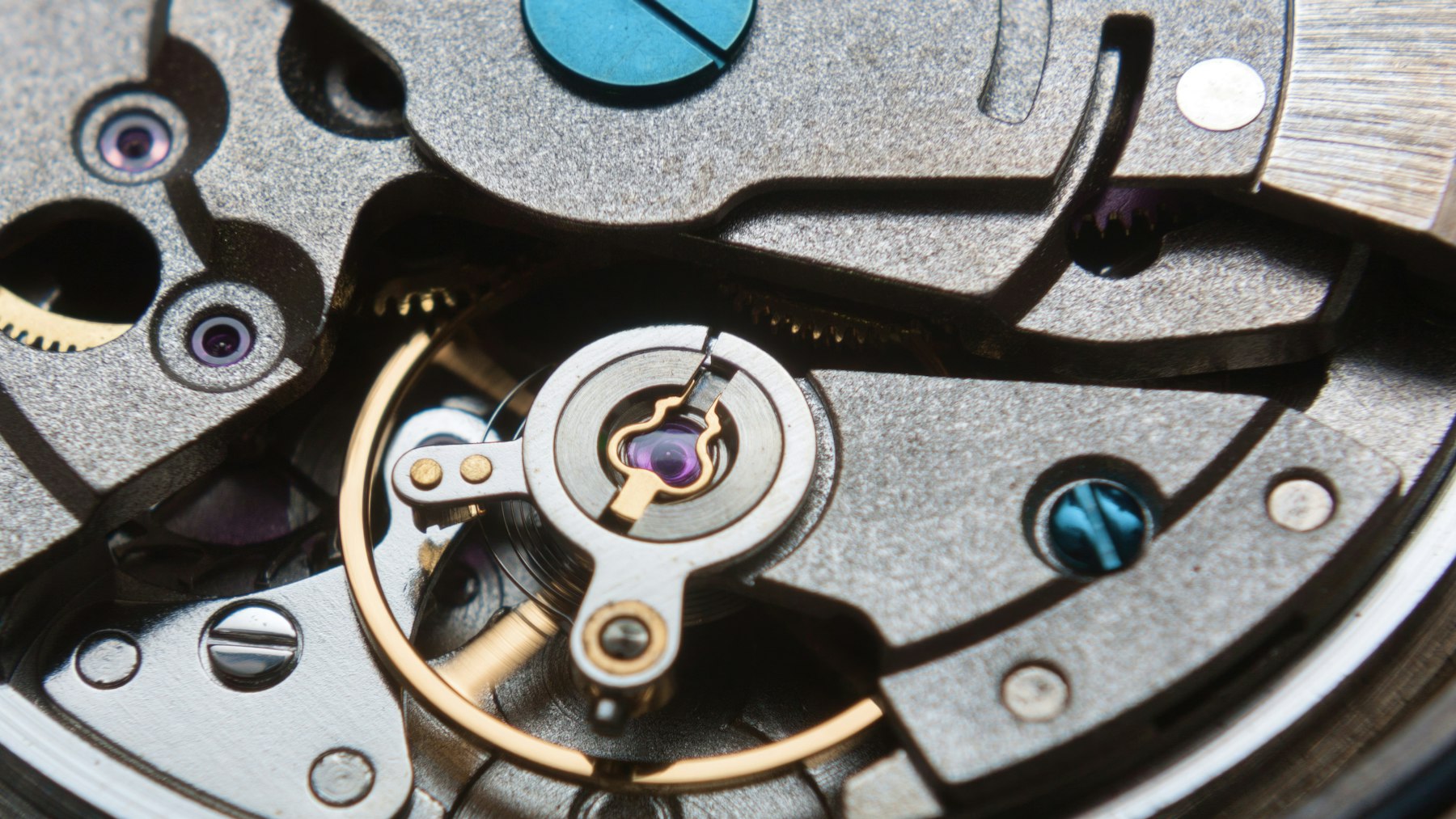
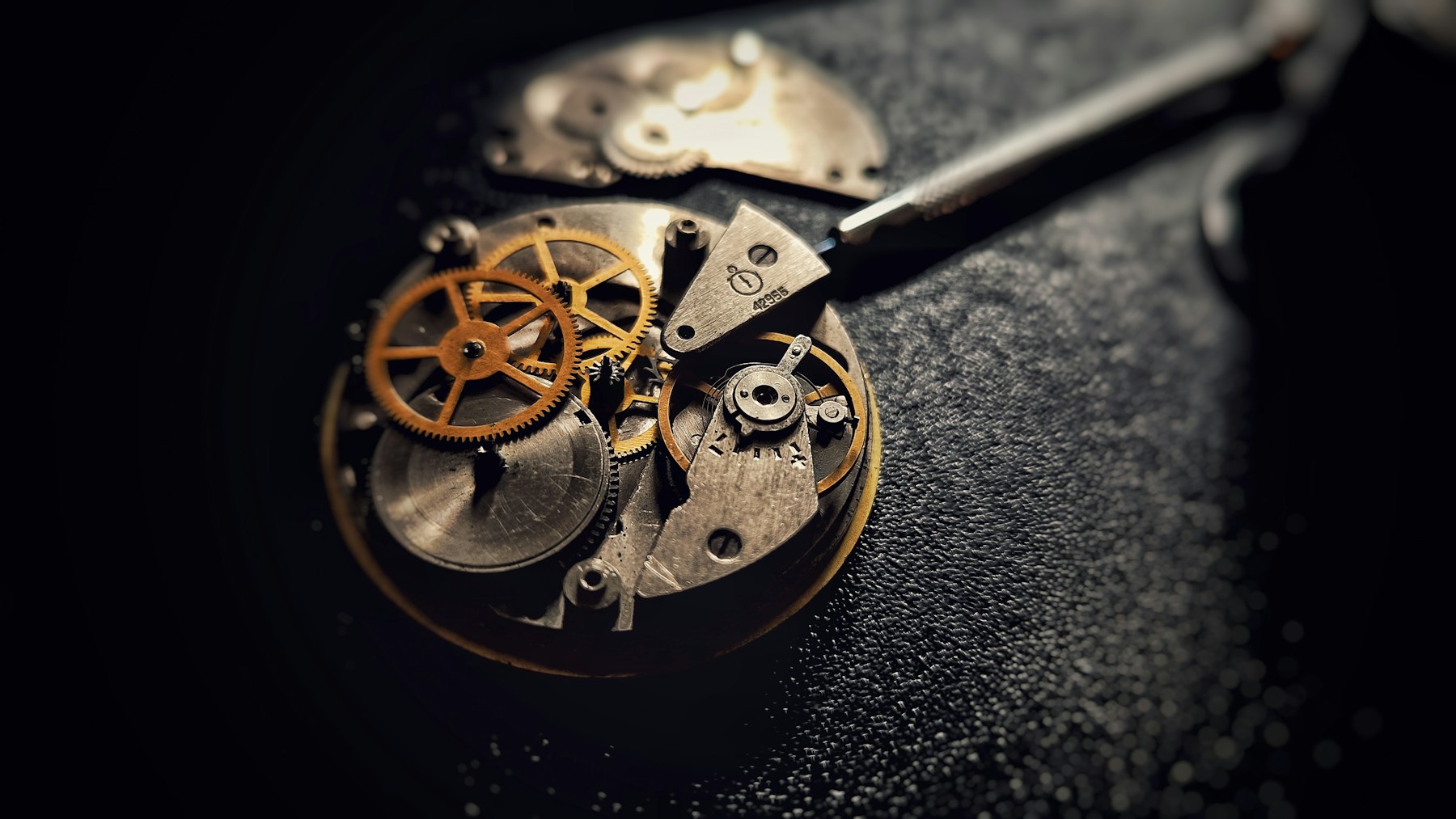
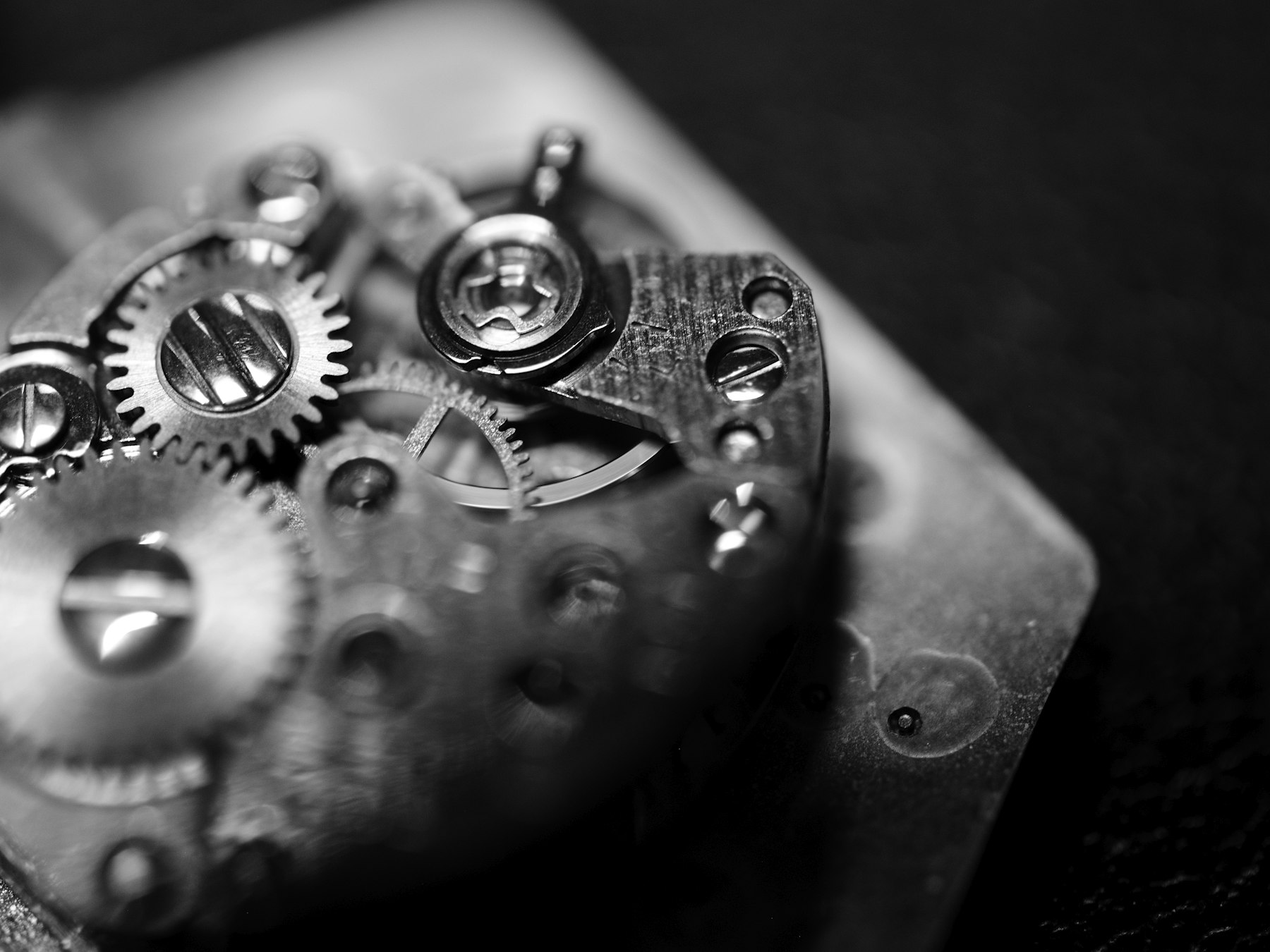
A watch is a few dozen visible parts around a few hundred hidden ones. This tour works from the outside in, naming each part, what it does and what it tells you about the watch in front of you.
Every term you are likely to meet on a spec sheet, in a review or at a watch counter, defined in a sentence or two. Jump to a letter, or link straight to any term.
A chronograph is a watch with a stopwatch built in. Here is what each pusher and subdial does, how to read a tachymeter, and the habits that keep the mechanism happy.
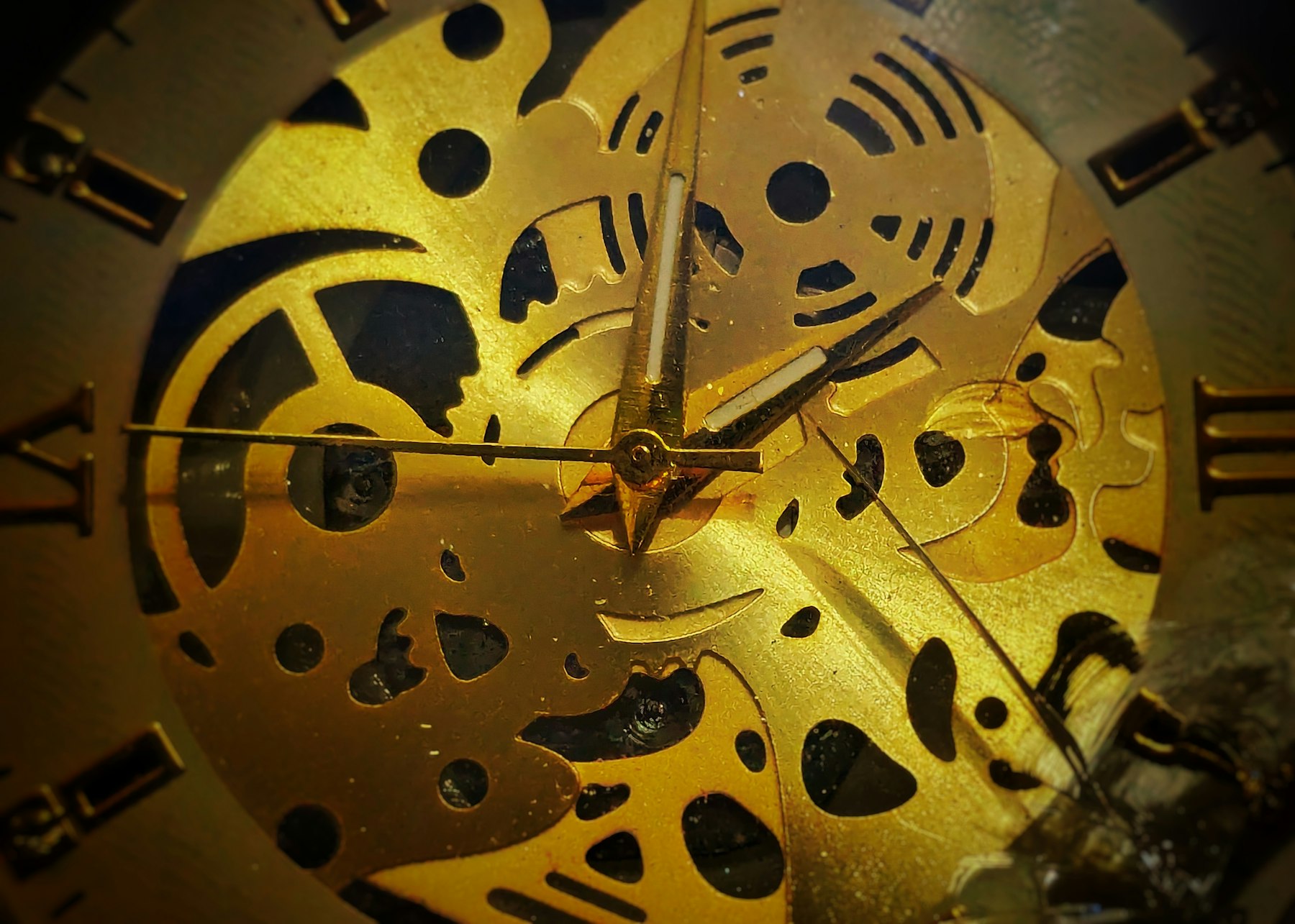
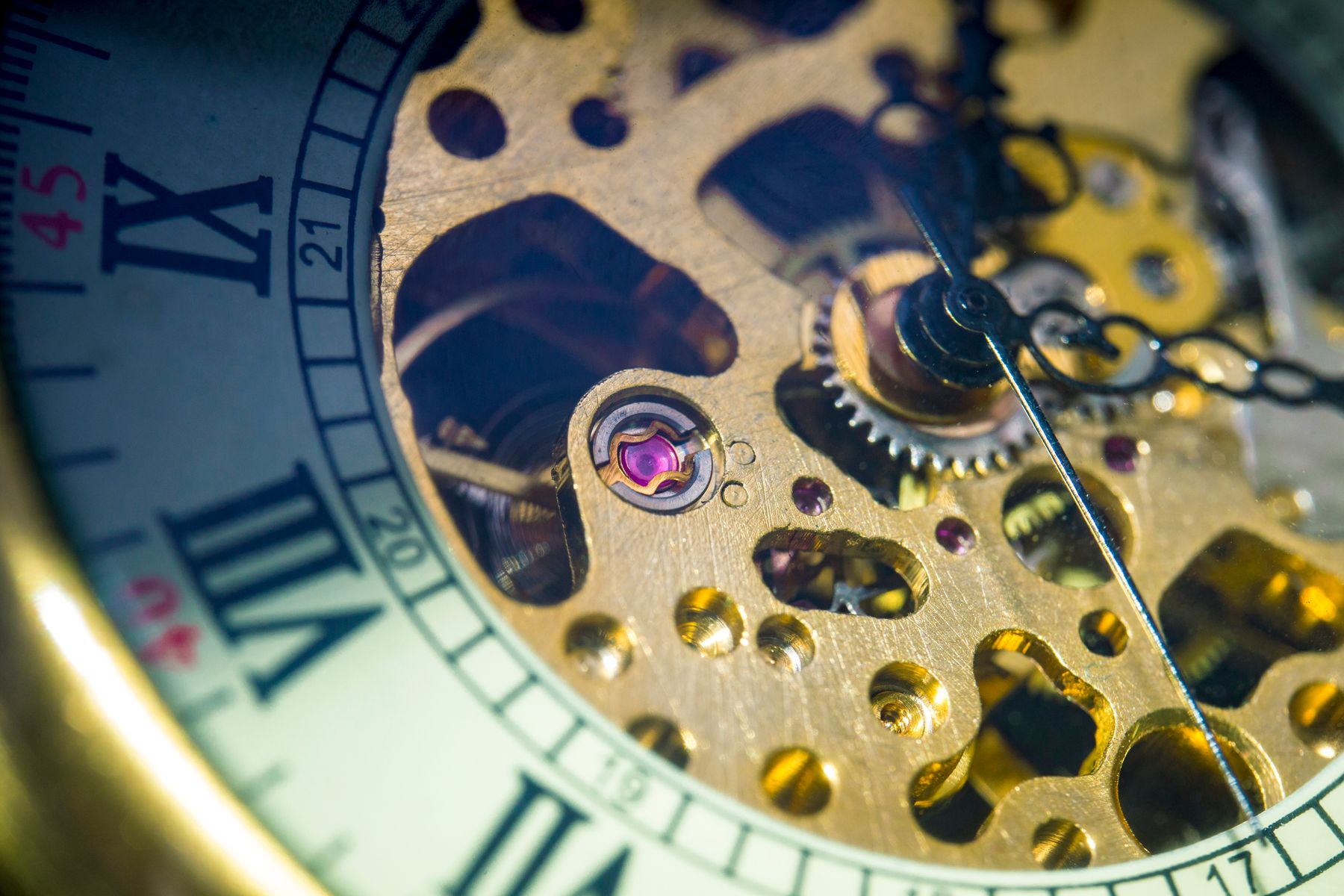
A skeleton watch removes metal until you can see straight through the movement. Here is how it is done, the three kinds you will find for sale, and how to tell a working skeleton from a printed one.
The rotating ring on a dive watch is a simple, foolproof timer. Here is how it works, why it only turns one way, and how to use it for anything from a dive to a parking meter.
A GMT watch shows two time zones at once with a fourth hand and a 24 hour scale. Here is how it works, how to set it, and why a two colour bezel alone does not make a watch a GMT.
Most analog quartz watches run two to three years on one battery, some much longer. Here is what shortens and lengthens that, how a watch tells you it is running low, and why you should not leave a dead cell inside.
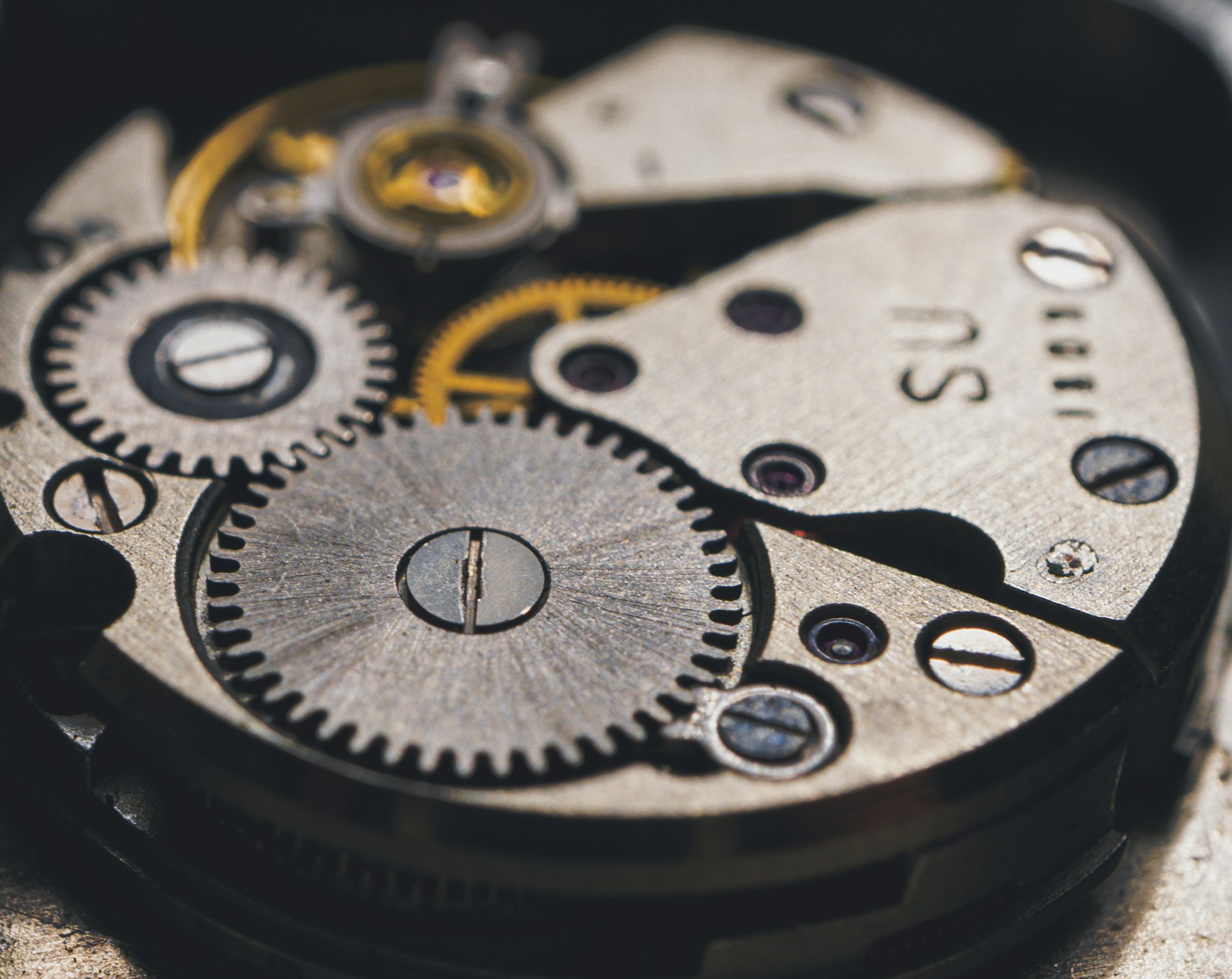
An automatic watch runs on a coiled spring that your wrist winds for you. Here is the path the energy takes through the movement, what the numbers in a spec sheet mean, and how to live with one.
Setting a day date watch takes two minutes once you know the crown positions and the one window of the night to stay out of. Here is the order that works on almost every movement.
Most watch damage is not dramatic. It comes from small habits repeated for years. Here are the eleven we see most often, why each one matters, and the simple fix.
Seiko builds its own movements and has done so for generations. Lucky Fours sells the look of famous designs for a fraction of the price. Here is where each one is the better buy.
Citizen's case rests on light powered movements and the longest warranty in this price range. Lucky Fours' case rests on price. We work out what each one costs you over the years you will wear it.
One shape, two very different watches. The Tissot PRX is the better made watch and we say so up front. The question is whether the difference is worth five to ten times the price to you.
Japan's two biggest watchmakers overlap almost everywhere, but they power their watches differently. Seiko leads with automatics, Citizen with light. That one difference decides most purchases.
Timex owns the price range below $150, Seiko barely enters it. Above $200 the two meet head on, with automatics a few dollars apart. Here is how to choose at each step.
Both brands started online and sell mostly through their own sites. MVMT leans toward clean fashion watches at lower prices, Vincero toward heavier, dressier automatics. Here is which to pick for which job.
Both are the first Swiss watch for a lot of buyers, and both sit in the same corporate family. Tissot reaches lower in price; Hamilton owns the field watch. Here is how to choose.
Bulova has been part of the Citizen group since 2008, yet the two brands build very different watches. Citizen sells light powered practicality; Bulova sells New York style and its own fast beating quartz.
One brand made plastic fun, the other made cheap watches dependable. We compare Swatch and Timex price bracket by price bracket, and say which suits which buyer.
Two Scandinavian brands, two quartz minimal watches at almost the same price. Daniel Wellington made the thin leather strap watch famous; Nordgreen arrived later with a more design led take. Here is how they differ.
Same price band, same parent group, opposite instincts. Fossil builds bold, layered watches; Skagen strips everything back. We compare them size by size and style by style.
We use cookies and similar technology to see which guides are read. When you arrive from an ad, we also pass the ad's click identifier to the store you visit from our links. You can accept or reject this, and change your choice any time under Cookie settings. Privacy policy

 Michael Chen·October 9, 2026·4 min read