Watch 101
Watch Size by Wrist: A Chart for Every Wrist
 Michael Chen·4 min read
Case diameter is the number everyone quotes and the one that tells you least. This is the five step method for judging how a watch will actually sit on your wrist before you buy it.
Prices checked October 9, 2026Compared across brandsHow we choose

Spec sheets lead with case diameter because it is one easy number. The trouble is that two watches with the same diameter can wear completely differently: one sits neatly inside the edges of the wrist, the other hangs over them like a saucer. The fix is not a better rule of thumb but a better method, using four or five measurements that most brands publish and a ruler you already own. Here is how to do it.
You need two numbers, not one.
Two people with the same circumference can have very different top widths. A flat, wide wrist carries a larger watch than a round one of the same size.
Price tracker · prices checked October 9, 2026
What one watch has cost over time, listed and per watch while the store ran its offer.
The lugs are the four horns that hold the strap or bracelet. Lug to lug is the distance from the tip of the top pair to the tip of the bottom pair, and it is the real footprint of the watch on your arm. The rule is simple: the lug to lug figure should not exceed the flat top width of your wrist. If it does, the lugs will float in the air past the edges and the strap will hinge down at a sharp angle.
Some brands list lug to lug, many do not. If it is missing, look for a straight side profile photo and estimate it against the stated diameter, or search for a review that quotes it. As a loose guide, round sports watches tend to run 6 to 9mm longer lug to lug than they are wide.
Case diameter is measured across the case at 9 and 3 o'clock, usually leaving out the crown. Use it as a second check, adjusted for the design:
The Tissot PRX shows how much a few millimeters matter: the same design is sold at 40mm, such as the Tissot PRX 40mm at $450, and at 35mm, such as the Tissot PRX 35mm at $575. On a slim wrist the smaller one looks proportionate rather than small, which is why so many buyers who first look at the 40mm end up with the 35mm.
Thickness decides whether a watch slides under a shirt cuff and how top heavy it feels. Around 8 to 10mm is slim, 11 to 13mm is typical for a sports watch, and much above 14mm starts to feel tall. Automatic movements and chronographs add height; quartz can be very thin. See quartz vs automatic for why.
Lug width, the gap between the lugs, sets the width of the strap or bracelet. It is commonly around half the case diameter: 18mm on a 36mm watch, 20mm on a 40mm watch, 22mm on a 44mm watch. A narrow lug width on a large case makes it look top heavy; a wide one makes a small case look more substantial. It also tells you which replacement straps will fit.
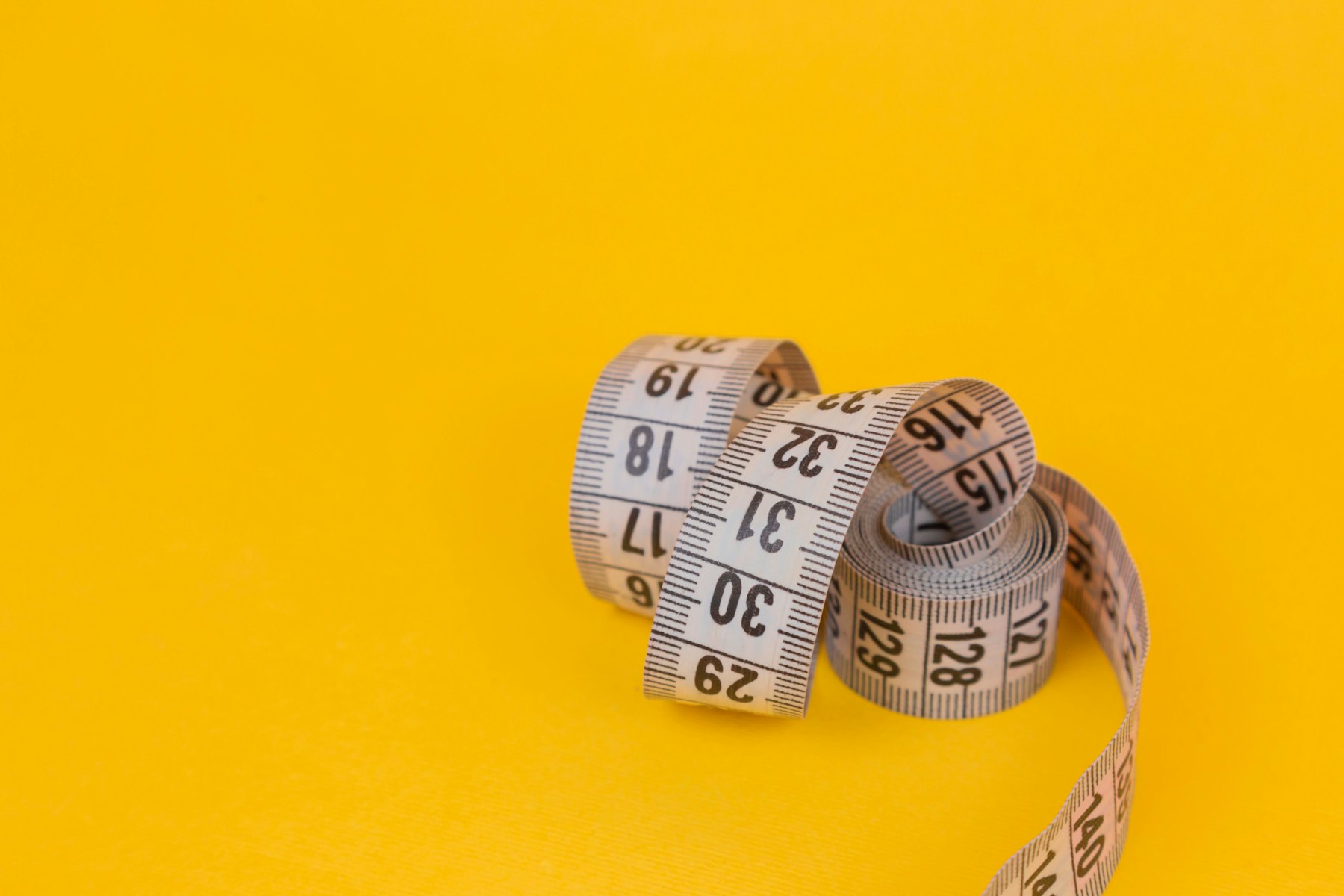
You do not need to visit a store to see roughly how a size will look.
A steel bracelet holds its width for several links before it tapers, so it adds visual weight; a leather strap tapers quickly and lets the case stand alone. A bracelet must also be sized correctly or the head of the watch will slide to the side of the wrist and look larger than it is. Removing links is a five minute job with the right tool, covered in how to adjust a watch bracelet at home. Integrated designs such as the Lucky Fours Caspian are a special case: case and bracelet read as one piece, so judge them by overall width rather than dial size.
Once you have your two wrist measurements, the watch size by wrist chart gives starting ranges for each wrist and style. Use it as a shortlist, then apply the steps above to the individual watch.
It depends more on lug to lug than diameter. A 40mm watch with short, curved lugs can sit comfortably on a wrist around 6.5 inches, while a 40mm watch with long straight lugs may overhang it. Check that the lug to lug figure is no wider than the flat top of your wrist.
Case diameter is measured across the case from the 9 o'clock side to the 3 o'clock side, normally excluding the crown. Lug to lug is measured from the tip of the top lugs to the tip of the bottom lugs.
Most men's wrists suit something between about 38mm and 42mm for a round sports watch, with dress watches a little smaller. Our watch size chart by wrist gives ranges for each wrist size.
Usually yes. A steel bracelet adds visual mass and keeps the full width of the lugs for longer, while a strap tapers and lets the case stand on its own. An integrated bracelet makes the case and bracelet read as one shape.
Michael Chen covers automatic watches, watch brands and Watch 101 for WatchesUnder: how movements work, how to size and care for a watch, and how the affordable brands compare. Prices in his guides are checked against each brand's own website.
Watch 101
Michael Chen·4 min read

Watch 101
Michael Chen·5 min read
Watch 101
 Daniel Reyes·5 min read
Watch Styles
Daniel Reyes·5 min read
We use cookies and similar technology to see which guides are read. When you arrive from an ad, we also pass the ad's click identifier to the store you visit from our links. You can accept or reject this, and change your choice any time under Cookie settings. Privacy policy
