Watch Styles
Skeleton Watches: Automatic or Quartz, and Why It Matters
 Michael Chen·5 min read
An open dial is one of the oldest tricks in watchmaking and one of the most copied. We separate the affordable skeletons with a genuine automatic movement from the quartz watches that only print one, and show what the look costs at every level.
Prices checked October 9, 2026Compared across brandsHow we choose
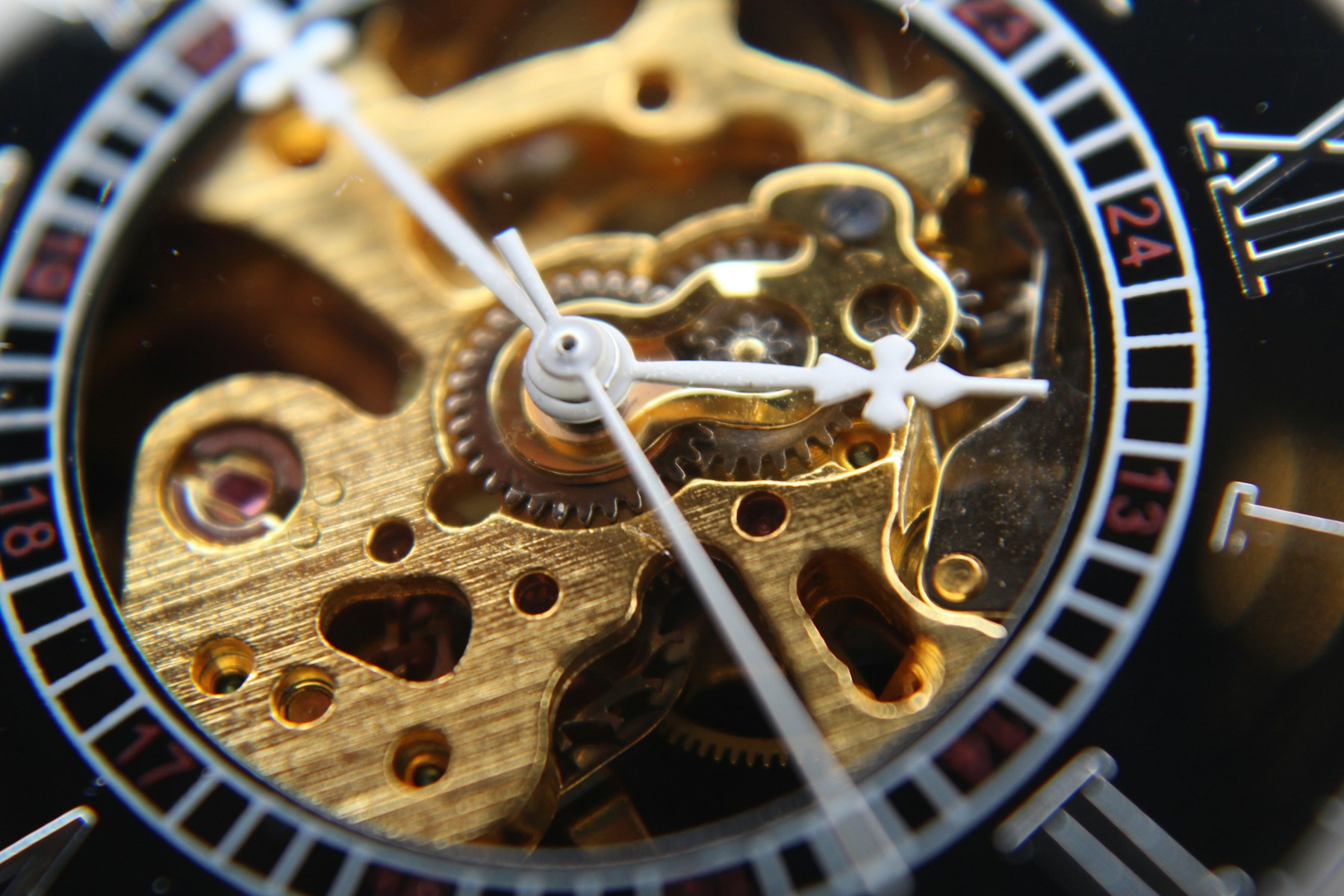
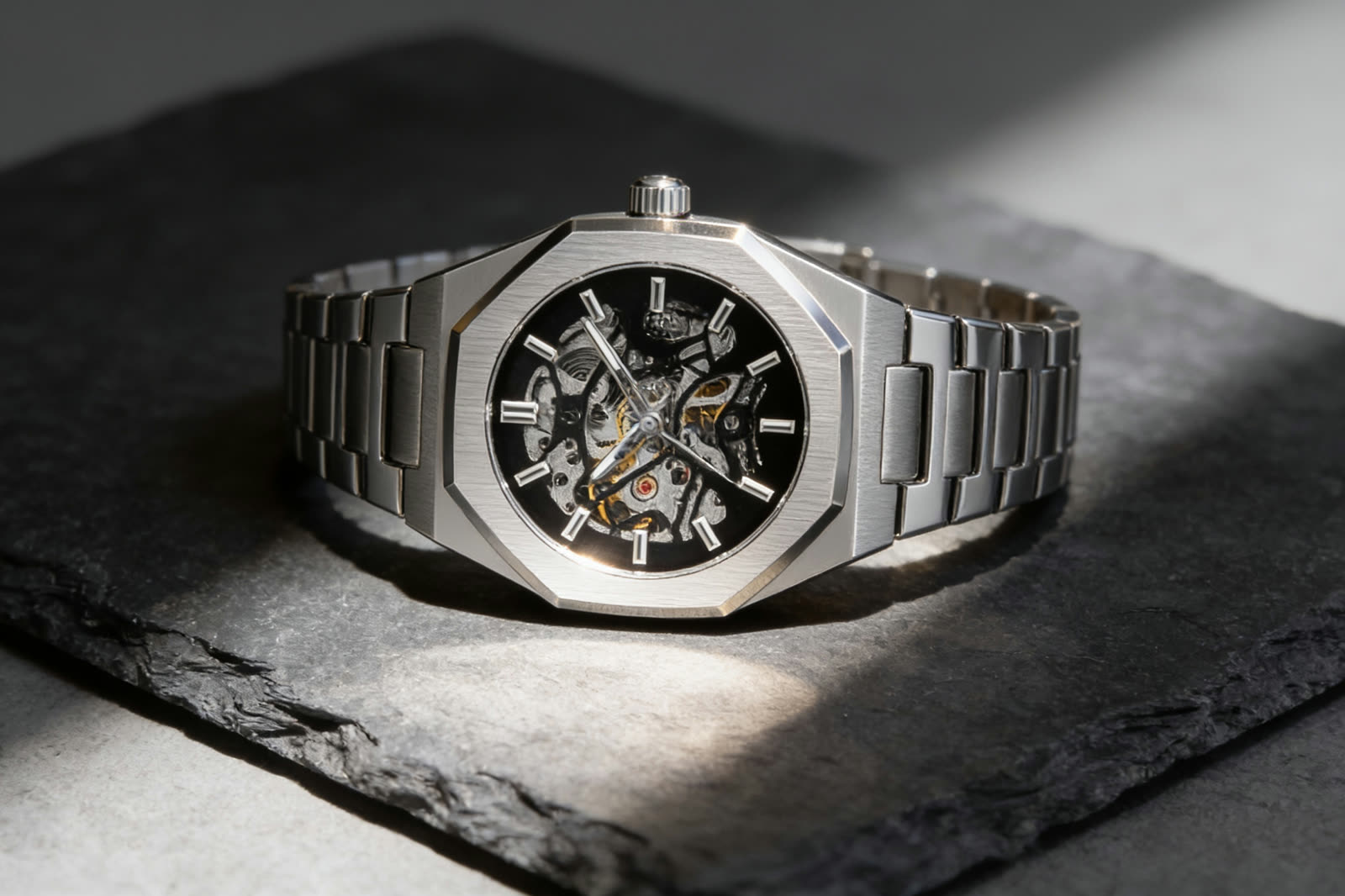
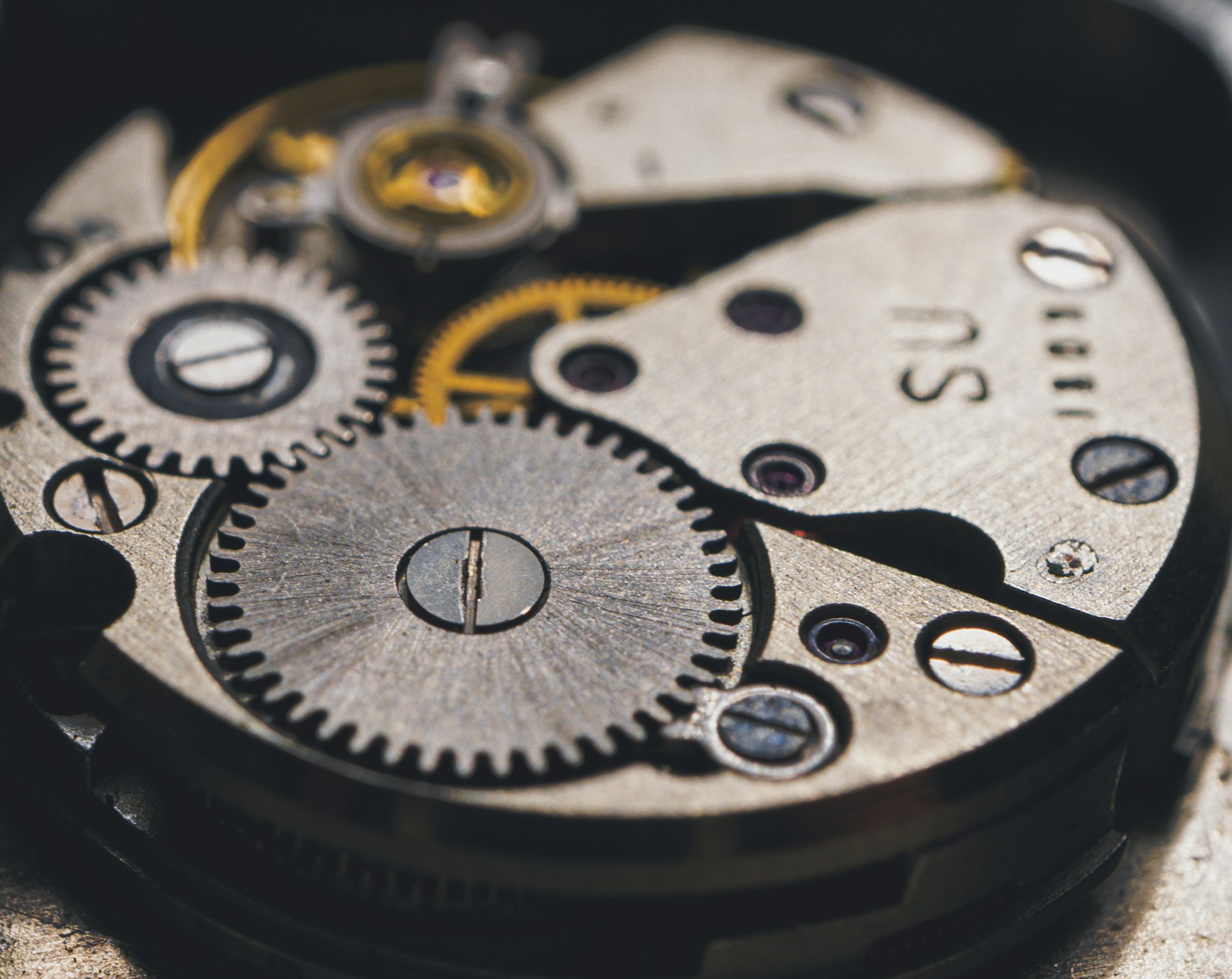
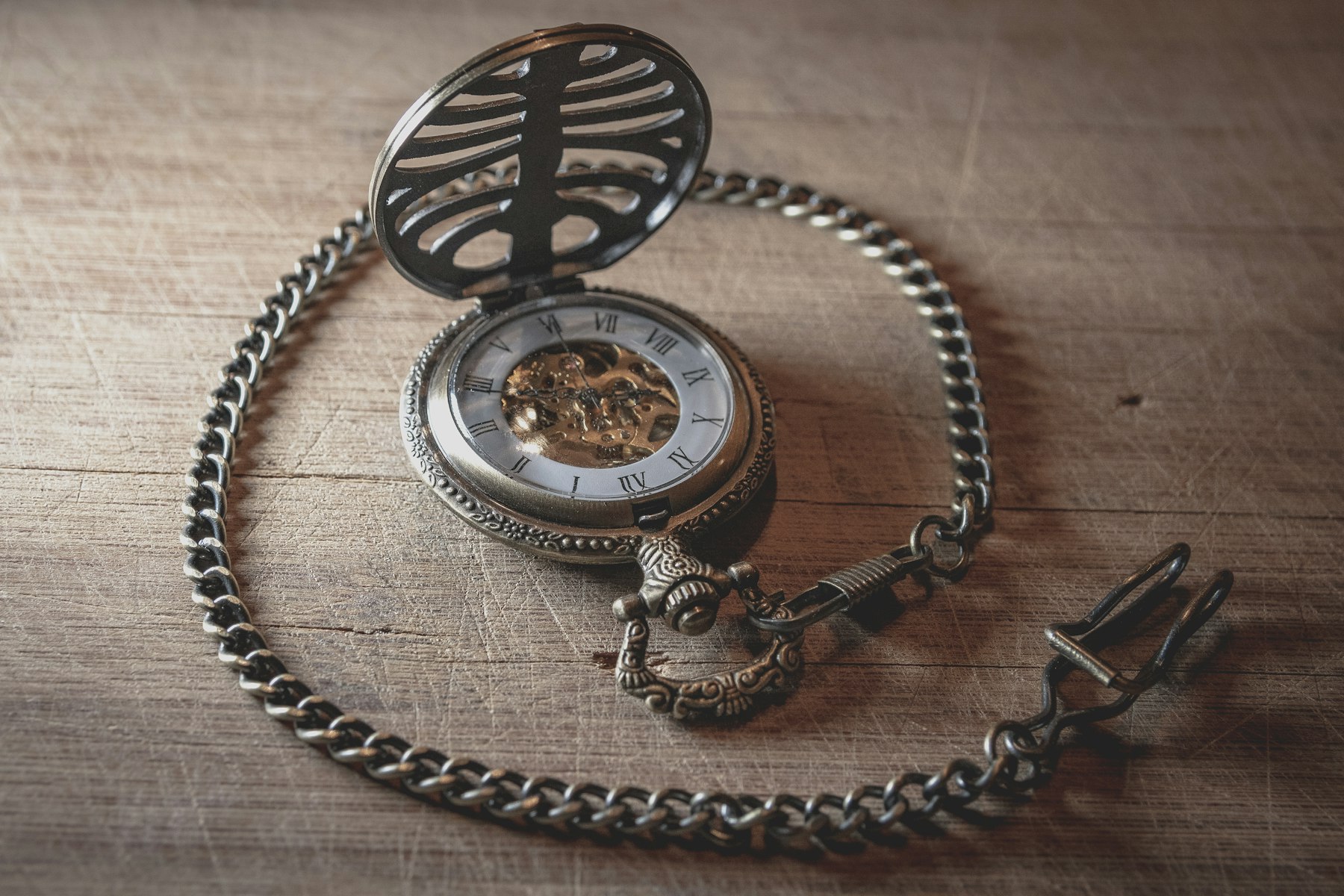
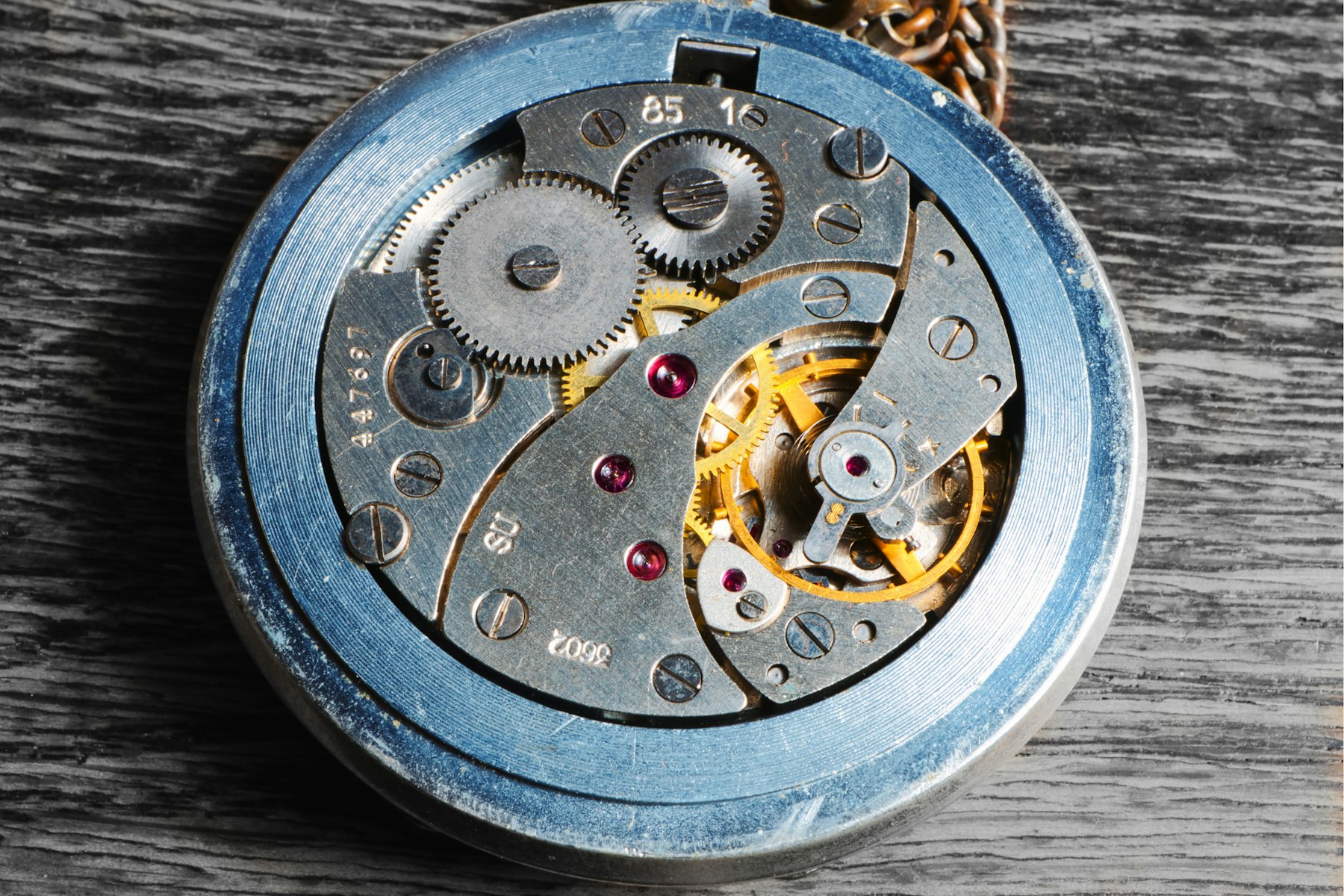
A skeleton watch removes the part most watches are built to hide. The dial is cut away, sometimes the movement plates too, and what is left is the machinery itself: the gear train, the balance wheel swinging back and forth several times a second, and on an automatic the rotor that winds the mainspring as you move. For two centuries it was a showpiece for engravers. Today it is one of the most popular watch styles, and one of the most confused, because a large share of the affordable "skeleton" watches on sale contain no mechanism worth showing at all.
This guide does two jobs. It recommends the skeleton watches worth buying at sensible money, and it is strict about which ones are genuine automatics and which are quartz watches wearing the look. Both have a place. You should simply know which one you are paying for.
WatchesUnder is owned by BlackRobin Capital Inc.
Watch Index · prices checked October 9, 2026
Every watch this guide mentions, ranked by Value Score or by what one watch costs today with each store's current offer counted.
The word is used loosely, so it helps to separate three things that are often sold under the same name.
And then there is a fourth category that the trade rarely names out loud: the skeleton look. These are quartz watches with a decorative plate behind a cut out dial, often printed or stamped to resemble wheels and bridges. Nothing behind that plate swings or winds; a battery and a small stepping motor do the work. Our longer explainer on what a skeleton watch is goes into the history; here the point is practical. If the appeal of a skeleton is watching a mechanism run, a quartz skeleton look cannot give you that, however good it is at a glance.
Three watches in the Lucky Fours range carry an automatic movement behind an open dial, and the store lists the movement on each as Automatic. They share a 316L stainless steel case and a 12 month warranty, and they differ almost entirely in shape and mood.
The Skeleton is the most traditional of the three. A round steel case, a steel bracelet with polished centre links, and in the Ocean colourway a blue framed dial with the movement showing through its centre. The round shape matters more than it sounds. Skeleton dials are visually busy, and a plain circular case with a defined outer ring gives the eye somewhere to rest, which makes this the easiest of the three to read. At $99.99 it is also the least expensive automatic skeleton we can point to from any brand, and it comes in 7 colourways, from plain steel with a white frame to full gold tone.
WatchesUnder is owned by BlackRobin Capital Inc.
The Spine takes the same idea and puts it in an octagonal steel case on an integrated style bracelet. More of the dial is removed than on the Skeleton, so more of the gear train is visible, and the angular case gives the openwork a harder, more architectural frame. It suits someone who wants the mechanism to be the point of the watch rather than a detail. The trade off is legibility: with this much open space, the hands do more of the work, and in low light the Noir version reads more easily than the pale Pearl. It costs $149.99, comes in 4 finishes including a Gold Noir, and is the skeleton we would buy for someone who already owns a steel sports watch and wants a second one with something to look at.
The Prince Oak is the one built for weekends. It has an octagonal case, a black rubber strap in the Obsidian version, and a gold tone movement visible through the open dial, which gives a warm centre to an otherwise dark watch. Rubber makes it lighter and more casual than the two bracelet models, and better suited to warm weather or the gym bag. At $149.99 it matches the Spine, with 5 colourways that range from all black to a white strap with a rose tone case.
With buy one, get one free and mix and match, any two of these three come to $149.99 or less in total, which is roughly what an established brand charges for a single automatic with a plain dial. If you want to understand what you are buying first, our guide to how automatic watches work explains the rotor and mainspring you will be watching.
Two more Lucky Fours designs are often grouped with skeletons, and we include them here because people search for them that way. Both are quartz. The store lists the Summit as Quartz and the Draco as Quartz, and neither should be bought by someone who wants to see a mechanism run.
That does not make them bad watches. The Summit has a tonneau, or barrel shaped, case in rose gold tone on a blue rubber strap, with a layered open look dial that borrows heavily from very expensive sports watches of the same shape. The Draco goes further: a white tonneau case and strap with a brightly coloured dial in red, blue, yellow or white. Both cost $99.99. What you get for that is the silhouette and the colour; what you do not get is a balance wheel. If someone asks you whether your watch is automatic, the honest answer is no.
There is one fair argument for the quartz versions: they keep running in a drawer and keep better time. If you rotate several watches and want the shape without resetting anything, that matters. But notice the price: the Lucky Fours Skeleton, a real automatic, costs the same $99.99 as the Summit and Draco. Within this range you are not paying extra for the real thing. We go through the differences in detail in our automatic vs quartz skeleton explainer.
Here the market is thinner than you might expect. Seiko and Timex, the two brands we usually recommend first at this budget, do not currently list an open dial automatic in their US stores at everyday prices. Timex's only skeleton automatic in stock is a licensed edition at $549, and Seiko's open heart models were not available when we checked. What both offer instead is the other way of seeing a movement: an exhibition caseback.
The first established brand open dial we can recommend is from Bulova. The Bulova Sutton Automatic Skeleton has a skeletonised black dial, an exhibition caseback, a 43mm steel case and a bracelet with a push button clasp, and was listed at $540 on Bulova's site in October 2026 during a sitewide promotion. Its sibling, the Bulova Sutton Automatic Open Dial, is a 40mm version with an open silver dial and blue indices on a leather strap at $500. Both use a 21 jewel automatic movement and both are properly finished watches from a brand with a long US history. If you want a skeleton you can buy in a department store and service anywhere, the Sutton is the one to look at, and it costs roughly three and a half Lucky Fours automatics.
| Level | Example | Movement | Price (approx.)* |
|---|---|---|---|
| Swiss luxury, hand finished | Skeletonised automatics from the major houses | Automatic | from $33,500 |
| Established brand, open dial | Bulova Sutton Automatic Skeleton | Automatic | $540 |
| Established brand, open dial on leather | Bulova Sutton Automatic Open Dial | Automatic | $500 |
| Exhibition caseback only | Seiko Essentials Automatic Blue | Automatic | $315 |
| Direct to consumer, open dial | Lucky Fours Spine or Prince Oak | Automatic | $149.99 |
| Direct to consumer, open dial | Lucky Fours Skeleton | Automatic | $99.99 |
| Skeleton look only | Lucky Fours Summit or Draco | Quartz | $99.99 |
*as listed on each brand's US website, October 2026
WatchesUnder is owned by BlackRobin Capital Inc.
The gap between the top two rows is the story of skeleton watchmaking. At the very top, a skeleton is a movement designed from the start to be cut away, with every bridge bevelled and polished by hand, and that labour is what the price pays for. Below a few hundred dollars, an open dial automatic uses a standard industrial movement with the dial removed and some decoration added. It will not stand up to a loupe the way a hand finished piece does. It will, however, show you a real escapement doing real work, which is the thing most people want from a skeleton in the first place.
For a collector who values finishing, yes, there is nothing else like a well made skeleton under magnification, and the best of them are small works of art. For someone who wants a watch that shows its mechanism across a dinner table, a five figure skeleton and a three figure one look closer than the price difference suggests. At $33,500 you could buy the entire table above several times over and still have most of the money left.
Because the skeleton look is so common, a little scepticism saves disappointment. These are the checks we run on any listing.
Two habits make ownership easier. First, if the watch has stopped, give the crown twenty or thirty turns before setting it, so the mainspring has some energy and the watch does not stop again overnight. Second, expect it to gain or lose a few seconds a day; that is normal for an affordable automatic, and the reason quartz watches remain the practical choice for anyone who wants to set and forget. If you are still deciding between the two, our guide to quartz vs automatic sets out the trade off, and the best automatic watches under $200 covers the non skeleton options at the same money.
Skeleton watches also reward a little care with the crystal and case, simply because there is more to see through them. A soft cloth after wearing keeps fingerprints off the dial side, and storing the watch dial up in a drawer avoids scuffing an exposed bridge on a neighbour.
If you want a genuine automatic skeleton and have under $150, the choice is between three watches, and the right one depends on the case shape you like: round and classic with the Skeleton, angular with the Spine, sporty with the Prince Oak. If you want the shape of a very expensive tonneau sports watch and are happy with quartz, the Summit and Draco deliver that, as long as you buy them knowing what they are. And if you want an established name with dealer service, the Bulova Sutton is the honest step up, and the cheapest open dial automatic from a mainstream brand we could find. For more ideas sorted by occasion, see our skeleton watches for men.
WatchesUnder is owned by BlackRobin Capital Inc.
Some are and some are not. A real automatic skeleton shows a working balance wheel and a rotor that turns when you move your wrist. Several low priced skeleton designs are quartz watches with a decorated plate behind the dial, so check that the listing states an automatic movement. Our explainer on automatic vs quartz skeletons covers the signs.
Among the watches in this guide, the Lucky Fours Skeleton at $99.99 is the least expensive watch with an automatic movement and an open dial. The Spine and Prince Oak follow at $149.99.
It can be. With the dial cut away, the hands sit over a busy background, so look for hands with a polished or coloured outline and a solid chapter ring around the edge. Round cases with a clear outer ring, like the Lucky Fours Skeleton, are the easiest to read at a glance.
No. An automatic winds itself from the motion of your wrist and stops after a day or two off the wrist. Set it, give the crown some turns, and it will run again. See how automatic watches work.
Skeletonised automatics from the best known Swiss houses start at roughly $33,500 and climb steeply from there, because cutting away and hand finishing a movement is slow, skilled work.
Michael Chen covers automatic watches, watch brands and Watch 101 for WatchesUnder: how movements work, how to size and care for a watch, and how the affordable brands compare. Prices in his guides are checked against each brand's own website.
Watch Styles
Michael Chen·5 min read
Watch Styles
Michael Chen·6 min read
Watch 101
Michael Chen·4 min read
Price Guides
Michael Chen·5 min read
We use cookies and similar technology to see which guides are read. When you arrive from an ad, we also pass the ad's click identifier to the store you visit from our links. You can accept or reject this, and change your choice any time under Cookie settings. Privacy policy
