Watch Styles
The Best Skeleton Watches You Can Actually Afford
 Michael Chen·10 min read
A skeleton watch removes metal until you can see straight through the movement. Here is how it is done, the three kinds you will find for sale, and how to tell a working skeleton from a printed one.
Prices checked October 9, 2026Compared across brandsHow we choose
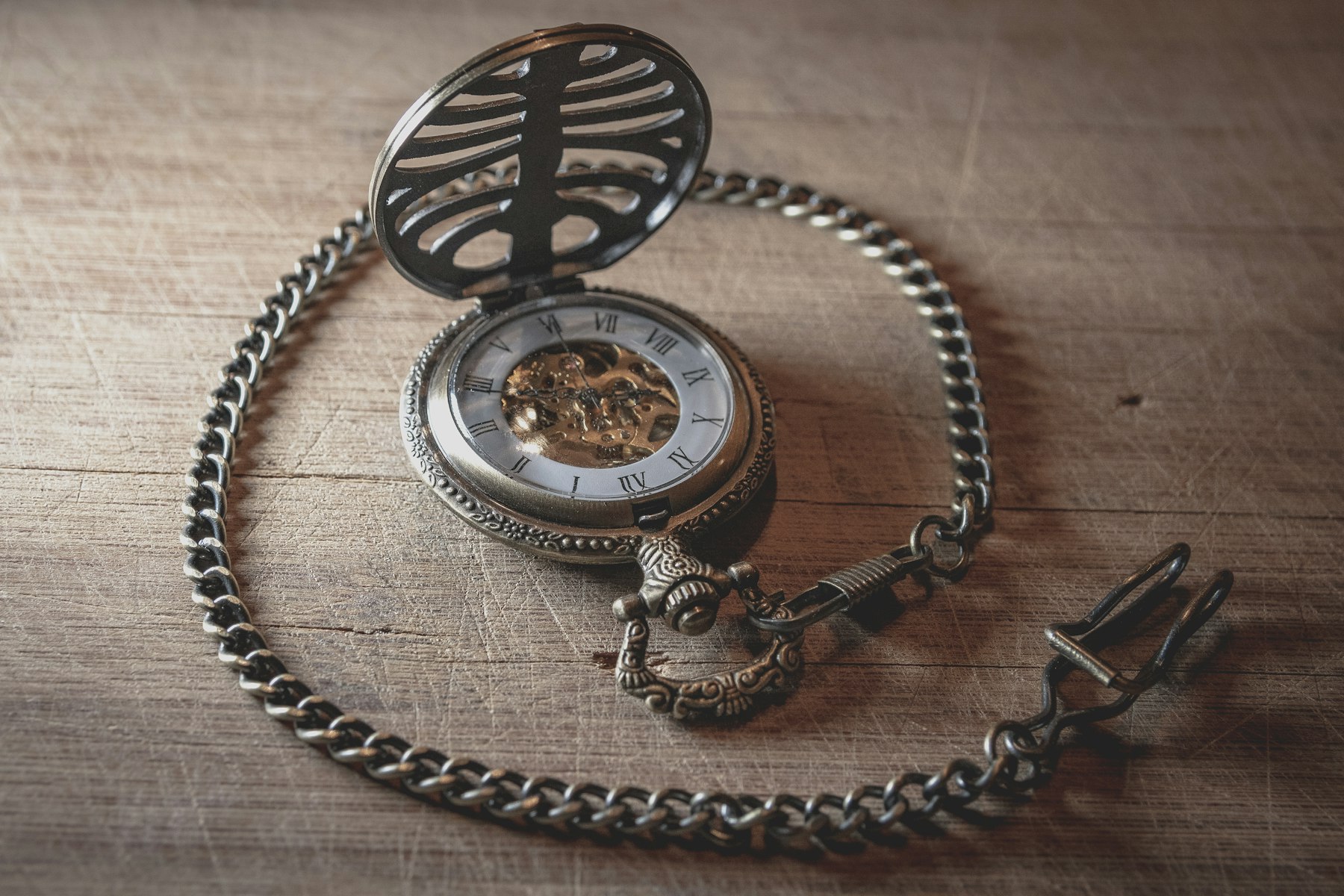
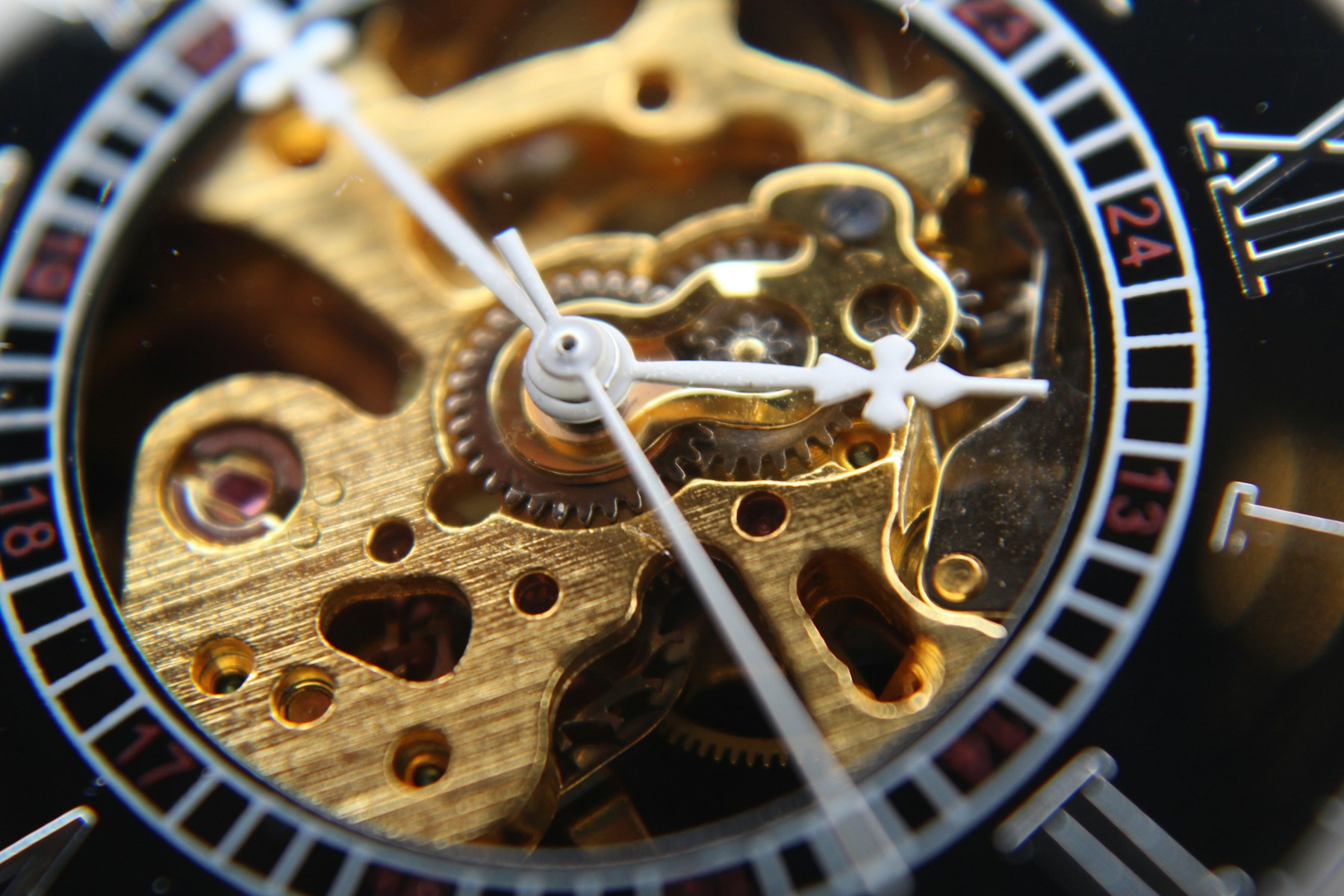
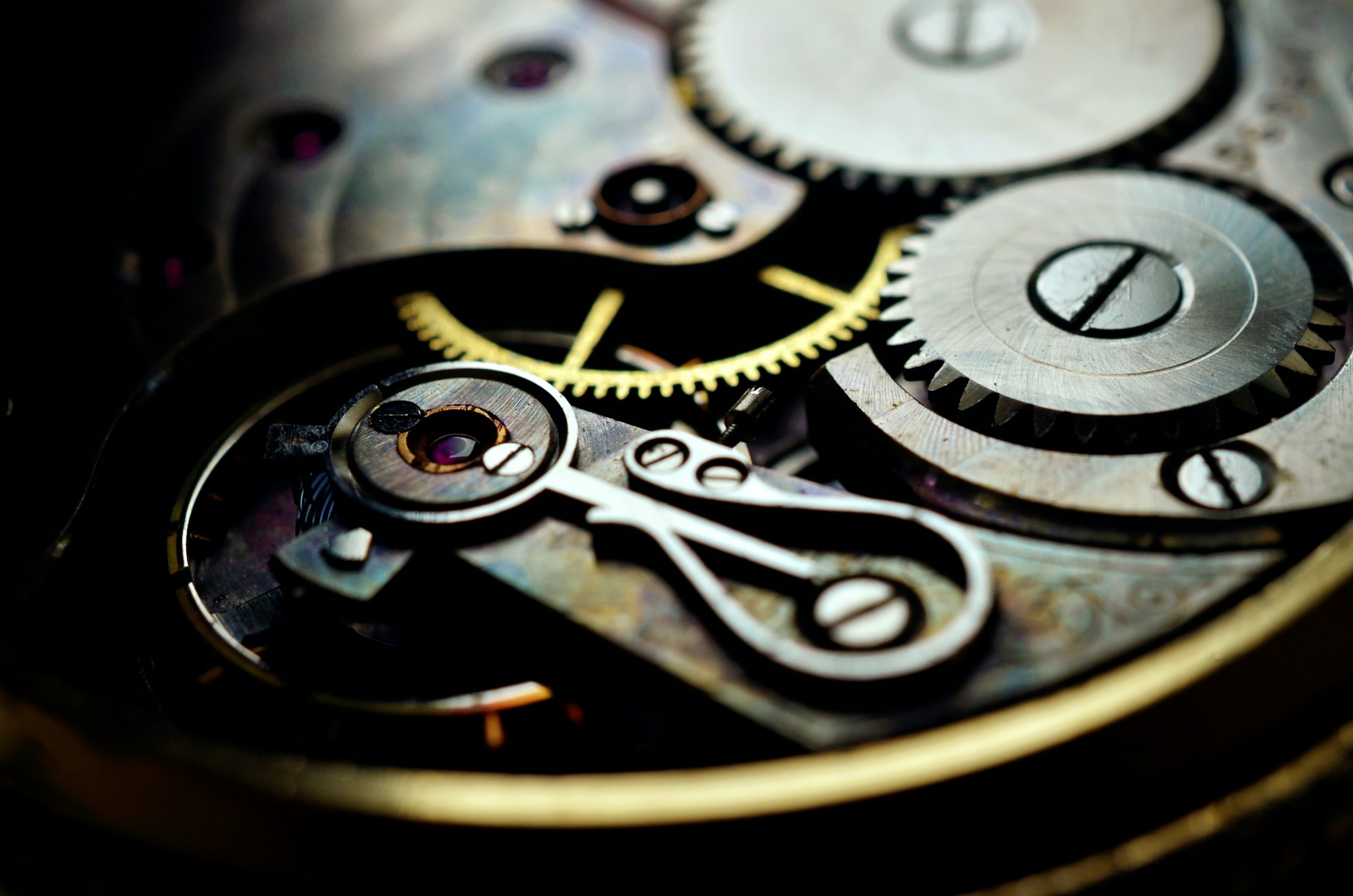
Most watches hide their engine. A skeleton watch does the opposite: the dial is cut away, and often the bridges and plates of the movement too, until you can look through the watch and see the wheels turning and the balance swinging. It is watchmaking turned inside out, and it has fascinated buyers since the eighteenth century, when watchmakers began piercing movements to show off their craft.
The term covers more than people expect. A hand finished skeleton from a Swiss workshop, a mass produced automatic with an open dial and a quartz watch with a printed openwork pattern can all be sold as "skeleton", and they are very different things.
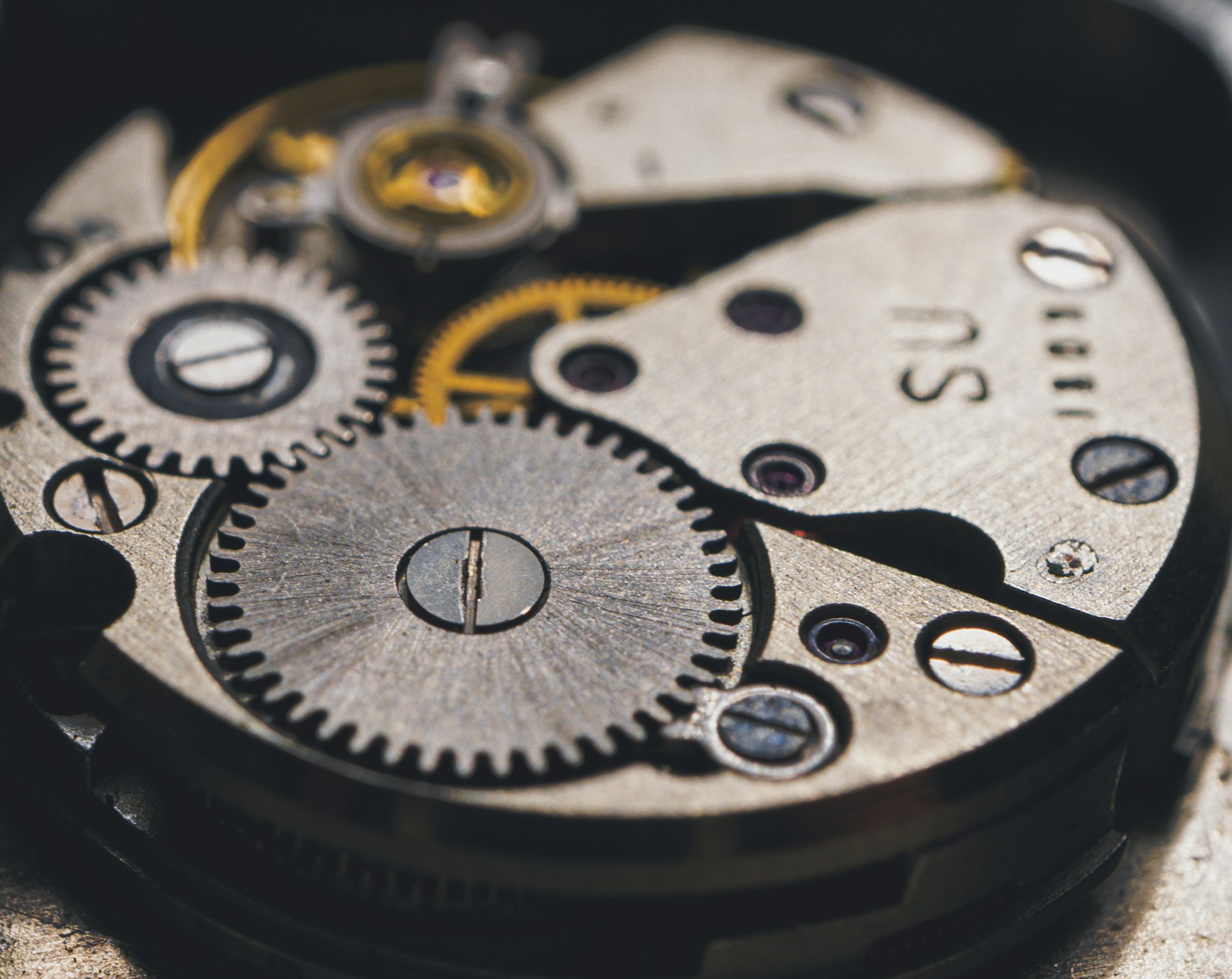
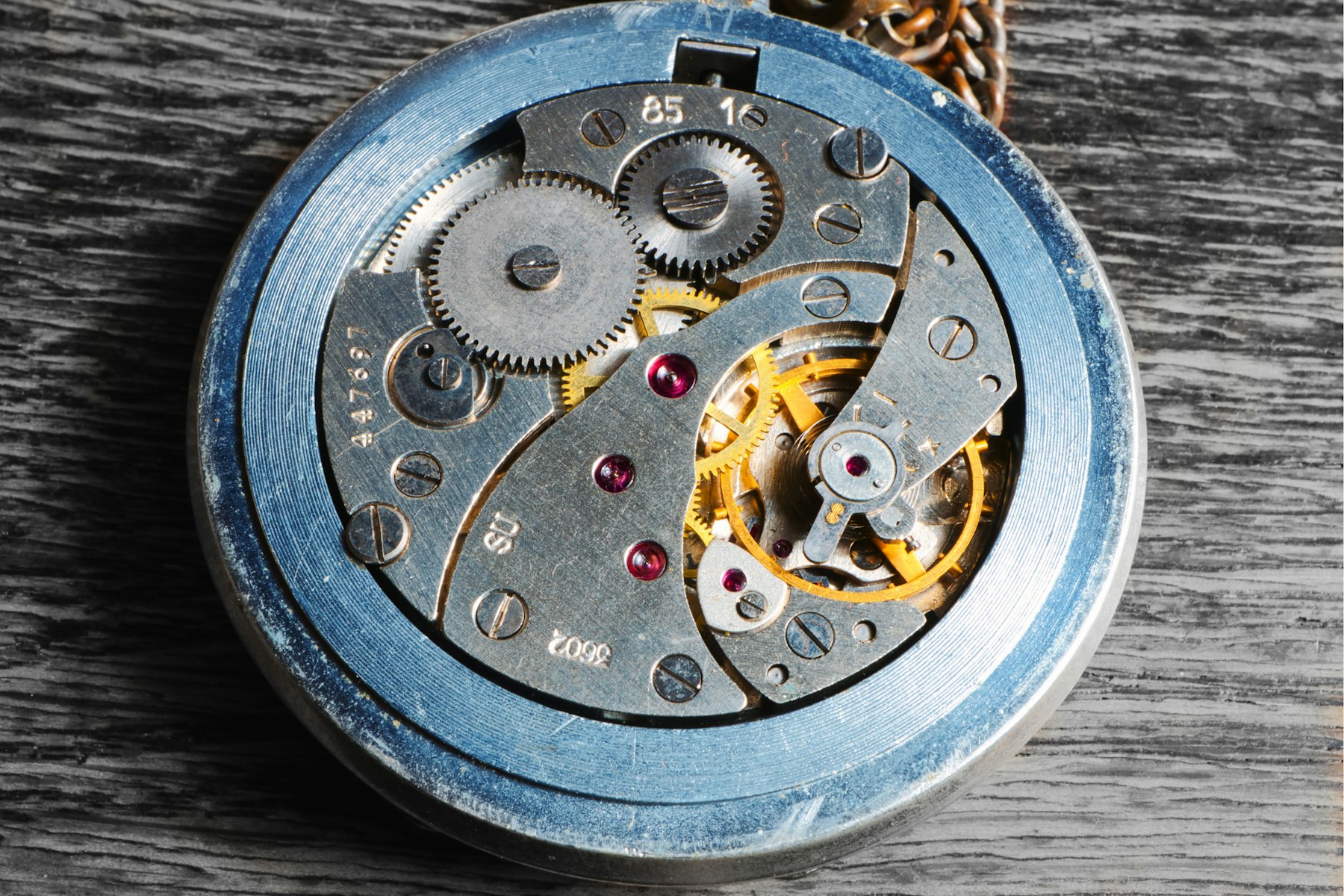
A movement is built on a base plate, with bridges screwed on top to hold the wheels in place. In a conventional watch these parts are solid, because solid metal is cheap to make and stiff. Skeletonizing removes every piece of that metal that is not structurally needed. The watchmaker leaves thin arms around each jewel and pivot, so the movement still holds its geometry, and cuts away the rest.
At the top of the trade this is done by hand with a fine saw, then each new edge is beveled and polished so it catches the light. That work can take weeks on a single movement, and it is why the best known skeleton automatics start at about $33,500. In industrial production the openings are stamped or machined and finished by machine. The result is less refined up close, but the effect at arm's length, of seeing the watch work, is the same.
Price tracker · prices checked October 9, 2026
What one watch has cost over time, listed and per watch while the store ran its offer.
Three kinds of "see through" watch turn up in shops, and it helps to have names for them.
| Type | What you see | Readability |
|---|---|---|
| Open heart | One cutout, usually showing the balance wheel | Close to a normal dial |
| Semi skeleton | Large openings in the dial, part of the movement exposed | Good if the hands contrast |
| Full skeleton | Dial removed, movement bridges cut away, see through front and back | The hardest to read, the most to look at |
Terms are used loosely by brands; judge by the photos, not the name.
An open heart is the gentlest version and the one most suited to a dress watch. A full skeleton is a statement, and it reads best in a case large enough to give the movement room.
This is the distinction that matters most when you buy at lower prices. A quartz movement is a small circuit board, a battery and a stepping motor. There is very little to see, so a quartz watch sold as "skeleton" usually shows decorative openwork plates or a printed pattern that imitates a mechanical movement. Nothing in it moves except the hands.
That is not a flaw if you know what you are buying. Quartz skeleton looks can be bold and colourful in a way a mechanical movement rarely is, and they keep perfect time without winding. The Lucky Fours Summit, with its barrel shaped case on a rubber strap, and the white cased Draco are both quartz watches designed around that kind of open, graphic dial. But if what draws you to the idea is watching a balance wheel swing, you want a mechanical movement.
Three quick checks tell them apart:
A skeleton automatic is a watch you look at more than a watch you read. The hands need contrast to stand out against the wheels behind them, so check that they are a different colour or finish from the movement. A solid chapter ring around the edge of the dial helps more than you would expect.
Because it is automatic, it winds itself as you move, and it stops if left in a drawer for a day or two; how automatic watches work explains why. Accuracy at budget prices is measured in seconds a day rather than seconds a month. Dust and fingerprints on the crystal show more clearly over an open movement, so a soft cloth earns its place.
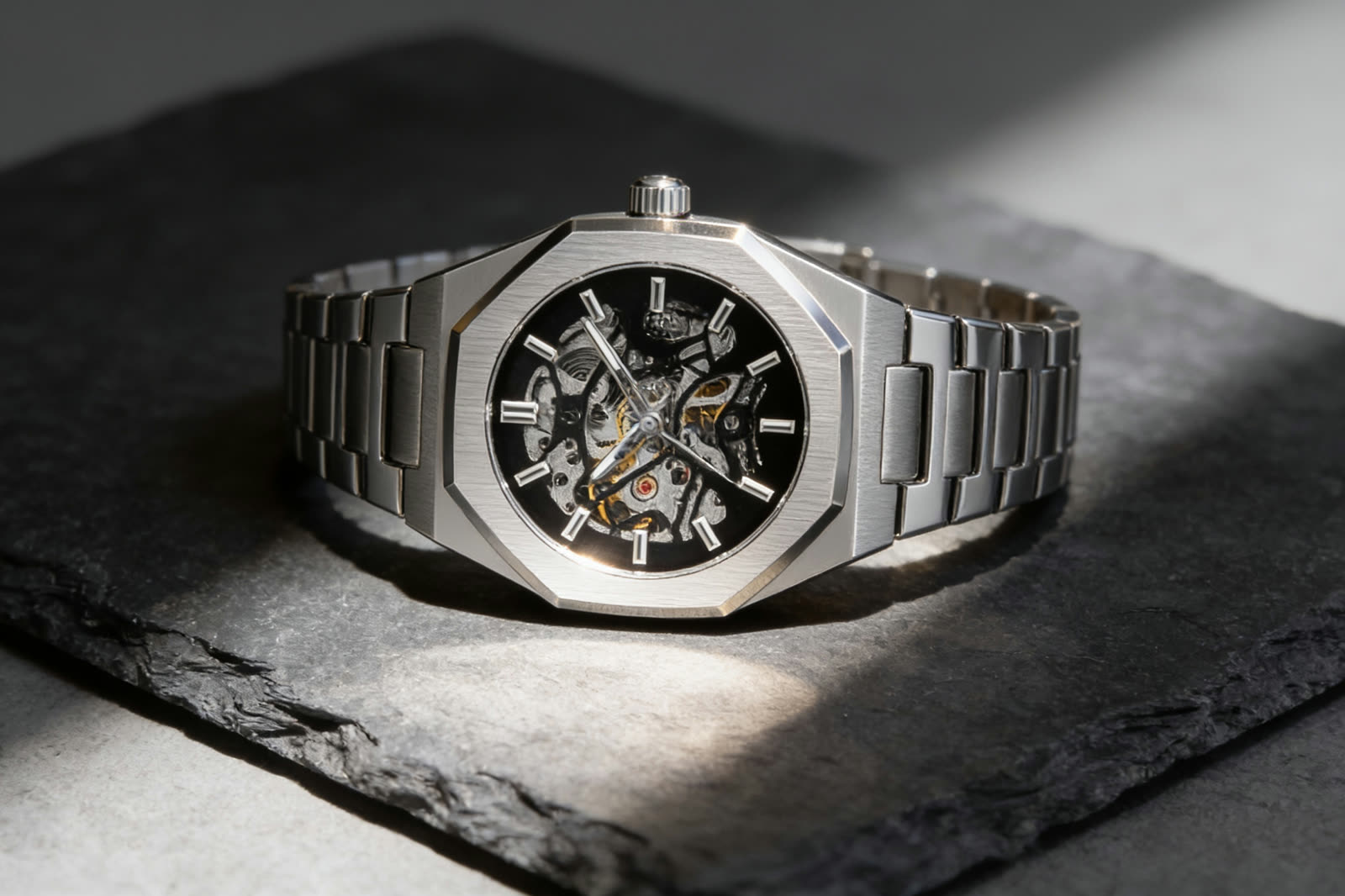
The range is enormous. Hand finished full skeletons from the major Swiss houses start in the tens of thousands. Below that, Japanese and Chinese automatic movements made skeleton dials affordable, and there are now real mechanical skeletons under $200.
Lucky Fours sells three of them. The Lucky Fours Skeleton at $99.99 is a round steel case with a blue openwork dial on a steel bracelet. The Spine at $149.99 puts a similar open dial in an octagonal case, and the Prince Oak sets a gold toned movement inside a black octagonal case on rubber. All three are automatic. If you want an established name, an open heart model from one of the large Japanese makers is the usual next step up, and the full field is ranked in our guide to the best skeleton watches.
WatchesUnder is owned by BlackRobin Capital Inc.
For more on the mechanical side, our automatic watches under $200 covers open dial and closed dial models side by side.
They can be. With the dial cut away, the hands sit against a busy background. Look for hands with a contrasting colour or a solid chapter ring around the edge, both of which help a great deal.
A true skeleton is almost always mechanical, either automatic or hand wound, because there is a movement worth showing. Quartz watches with a skeleton look exist, but what you see through them is mostly decoration. Our guide to automatic vs quartz skeletons goes deeper.
A skeletonized movement has less metal, but in a normal case it is protected by the crystal like any other. The practical concerns are dust and fingerprints showing more clearly, and the need to keep it wound if it is automatic.
An open heart watch has a single cutout in the dial, usually showing the balance wheel. It gives a glimpse of the movement while keeping the dial readable.
Michael Chen covers automatic watches, watch brands and Watch 101 for WatchesUnder: how movements work, how to size and care for a watch, and how the affordable brands compare. Prices in his guides are checked against each brand's own website.
Watch Styles
Michael Chen·10 min read
Watch Styles
Michael Chen·5 min read
Watch 101
Michael Chen·4 min read
Price Guides
Michael Chen·5 min read
We use cookies and similar technology to see which guides are read. When you arrive from an ad, we also pass the ad's click identifier to the store you visit from our links. You can accept or reject this, and change your choice any time under Cookie settings. Privacy policy
