Watch 101
What Is 316L Stainless Steel, and Why Watches Use It
 Michael Chen·5 min read
A dirty bracelet is the fastest way to make a good watch look tired. Twenty minutes with a soft brush, mild soap and a cloth fixes it, as long as you know what the watch can and cannot take.
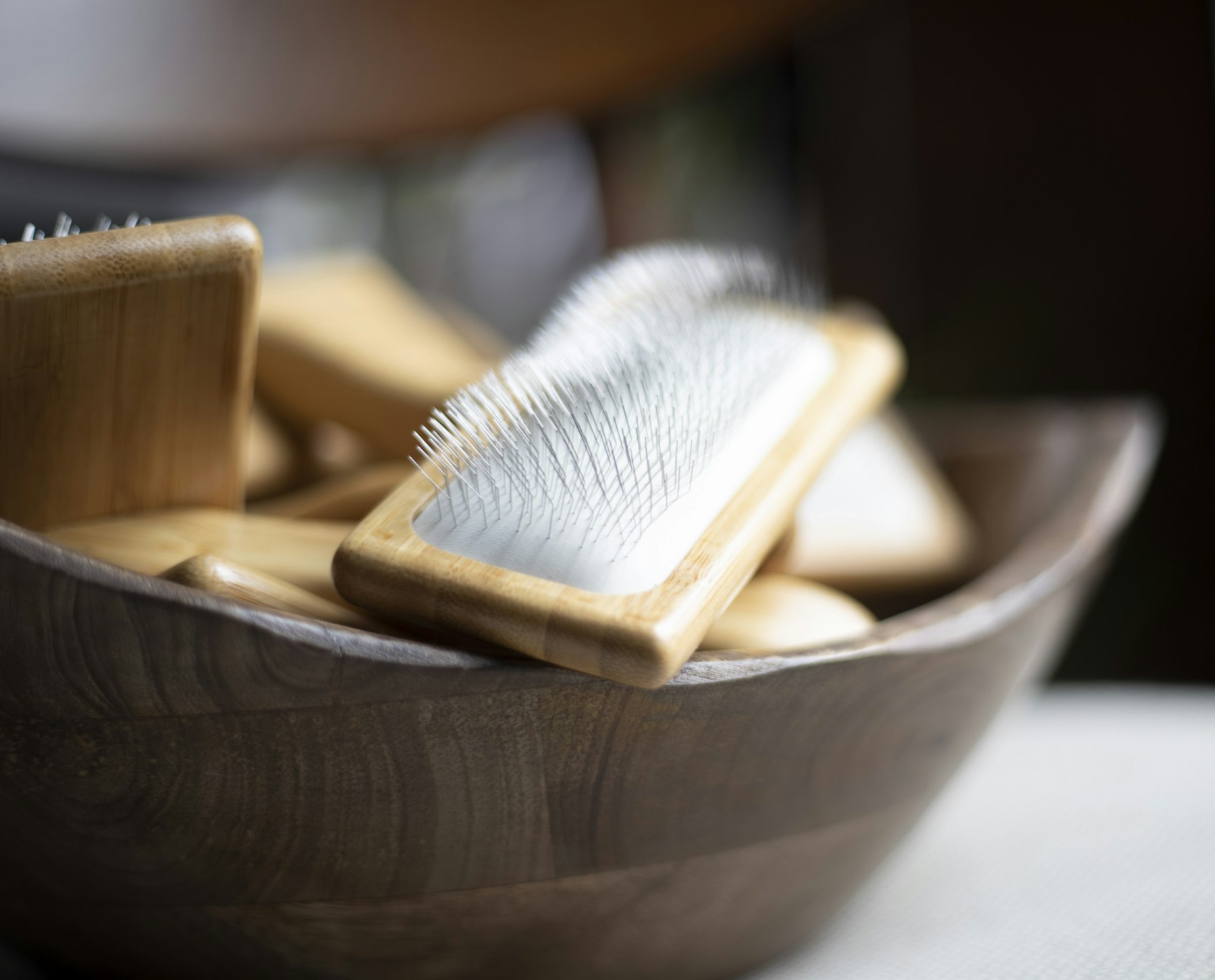
Stainless steel is forgiving, and that makes it easy to neglect. Skin oil, soap residue, sunscreen and dead skin collect between bracelet links and under the clasp, turning a bright finish dull and grey. Left for months, that paste holds salt against the metal and can leave brown spots even on good steel. Cleaning it properly is cheap, quick and the single biggest improvement you can make to how an older watch looks. It is also easy to do harm with the wrong product, so start with what the watch can handle.
Skip anything abrasive or aggressive: no toothpaste, baking soda, bleach, window cleaner or metal polish, and no paper towels, which leave fine scratches on polished surfaces.
If a bracelet is heavily soiled, take it off the case. Most bracelets attach with spring bars that release with a spring bar tool. Once detached, the bracelet can soak for ten minutes in the soapy water, or go into a small ultrasonic cleaner, which shakes dirt out of the joints with high frequency vibrations. Brush, rinse well and dry fully before refitting. Never put the watch head in an ultrasonic bath unless a watchmaker has checked it.
| Strap | How to clean | Avoid |
|---|---|---|
| Leather | Wipe with a barely damp cloth, let it air dry, condition occasionally with a leather balm | Soaking, soap, drying with heat |
| Rubber or silicone | Wash with soap and water, rinse, dry | Solvents and alcohol, which can dry it out |
| Fabric or nylon | Remove from the watch, hand wash in soapy water, air dry flat | Washing machines with the watch attached |
Leather absorbs sweat and will eventually smell however carefully you clean it. Rotating straps and letting them dry overnight lengthens their life more than any product.
Colored finishes on steel are thin surface layers. Clean them exactly as above but with lighter pressure, and never use a polishing cloth impregnated with compound or any metal polish: those work by removing a microscopic layer of surface, and on a plated finish that layer is the color. A plain microfiber is all a gold tone watch needs.
Treated polishing cloths and abrasive pads can soften hairline marks on bare steel, but they also blur the boundary between brushed and polished surfaces and round off sharp edges, which is what makes a well finished case look crisp. On a brushed surface, rubbing in the wrong direction leaves a cloudy patch. If the scratches bother you, leave refinishing to a watchmaker, or accept them as signs of a watch that gets worn. See watch care mistakes to avoid for more on what not to do.
A clean bracelet, correctly sized, does more for how a watch looks than almost any upgrade. If you want to take that further, how to make a cheap watch look expensive has the other easy wins.
Yes, if the watch is rated for water contact and the crown is pushed or screwed fully in. Use a drop of mild dish soap in lukewarm water and a soft brush, then rinse briefly and dry. If the watch has no water rating, clean it with a barely damp cloth only.
On a detached steel bracelet, yes. Do not put the watch head itself in one unless a watchmaker has confirmed its seals, and never put leather straps or gem set pieces in it.
A quick wipe after a hot day or a workout, and a proper bracelet clean every three or four weeks if you wear the watch daily.
No. Cleaning removes dirt and oils. Scratches in steel need refinishing, which is best left to a watchmaker because aggressive polishing rounds off edges. Our guide to 316L stainless steel explains why steel scratches.
Michael Chen covers automatic watches, watch brands and Watch 101 for WatchesUnder: how movements work, how to size and care for a watch, and how the affordable brands compare. Prices in his guides are checked against each brand's own website.
Watch 101
Michael Chen·5 min read
Watch 101
Michael Chen·4 min read
Watch 101
Michael Chen·4 min read
Look Expensive
 Daniel Reyes·5 min read
We use cookies and similar technology to see which guides are read. When you arrive from an ad, we also pass the ad's click identifier to the store you visit from our links. You can accept or reject this, and change your choice any time under Cookie settings. Privacy policy