Watch 101
How to Clean a Stainless Steel Watch
 Michael Chen·4 min read
Most watch damage is not dramatic. It comes from small habits repeated for years. Here are the eleven we see most often, why each one matters, and the simple fix.
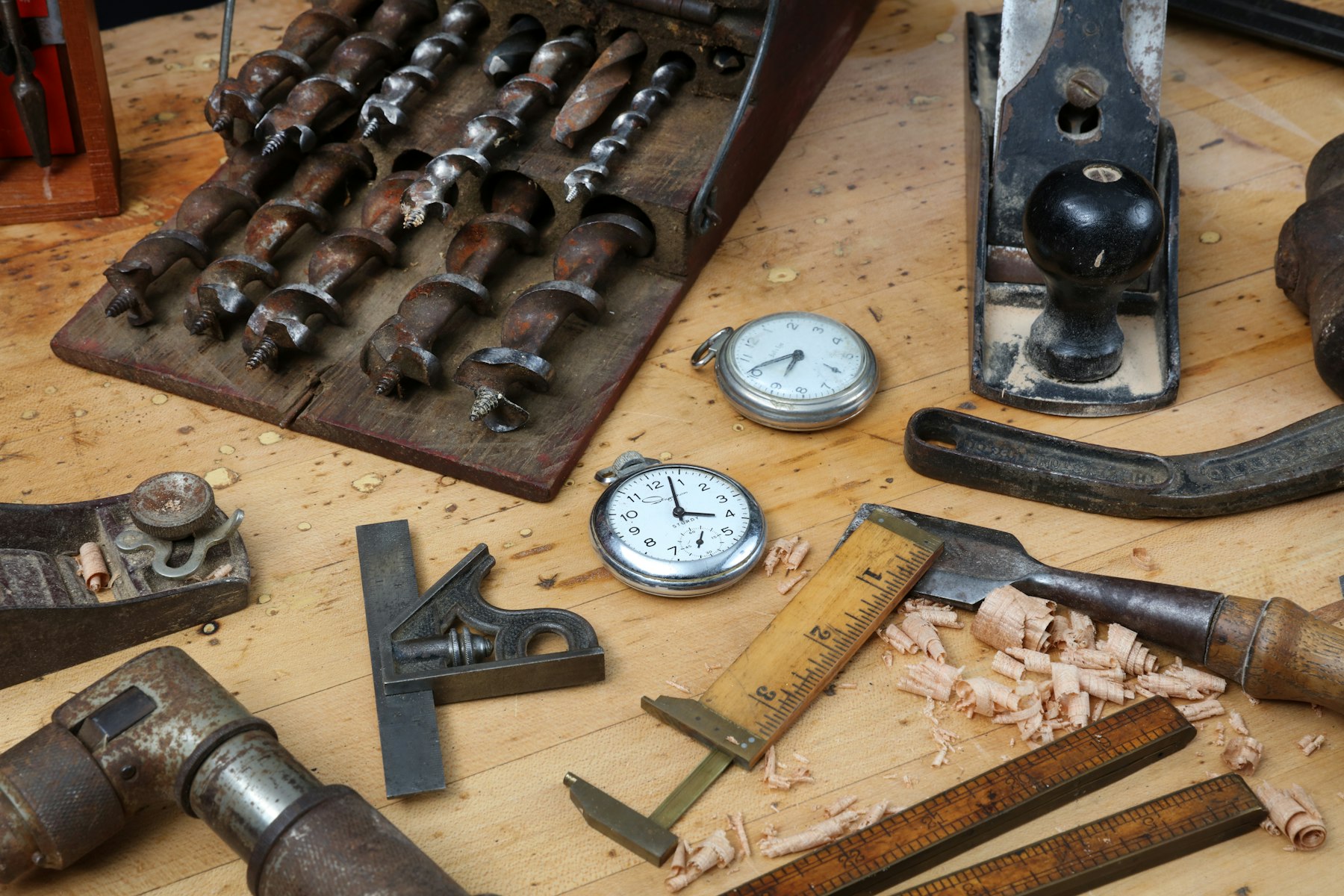
Watches are built to last decades, and many of them do. The ones that do not are rarely killed by one big accident. They are worn down by small, repeated habits: a crown left out, a date changed at the wrong hour, a watch worn into a hot shower every morning for three years. Every item below is something a watchmaker sees on the bench regularly, and every one has an easy fix.
Between roughly 9 in the evening and 3 in the morning, the date wheel on most watches is being moved into position for midnight. Using the quick set crown during that window can strain or break a tooth in the calendar works, especially on mechanical movements. The fix: move the hands to around 6:30 before you touch the date. The full routine is in how to set a day date watch.
A crown left in the time setting position stops many watches, and leaves the case open to moisture and dust, since the crown's seal only works when it is home. On screw down crowns, leaving it unscrewed undoes the main reason it exists. Make it a reflex: set, push, screw, check.
A watch's water resistance applies to a closed case. Pull the crown or press a chronograph pusher under water and you open a path for it straight into the movement. Even a dive watch's pushers should stay untouched below the surface unless the manufacturer specifically says otherwise.
The figure on a dial or caseback is a test pressure under laboratory conditions, not a guarantee for every situation. Jumping into a pool, a jet of water or a slammed wave all produce brief pressure spikes, and gaskets lose their elasticity with age. A watch that was sealed when new may not be five years later. If you swim with a watch, have its seals checked periodically, and if you do not know the rating, keep it dry.
Heat is the real enemy of a watch's seals. Rubber gaskets expand and contract with temperature, and steam is more searching than water. Soap and shampoo degrade the seals too. Over months this can let moisture inside, which shows as fogging under the crystal. Take the watch off before the shower, the sauna and the hot tub, whatever its rating.
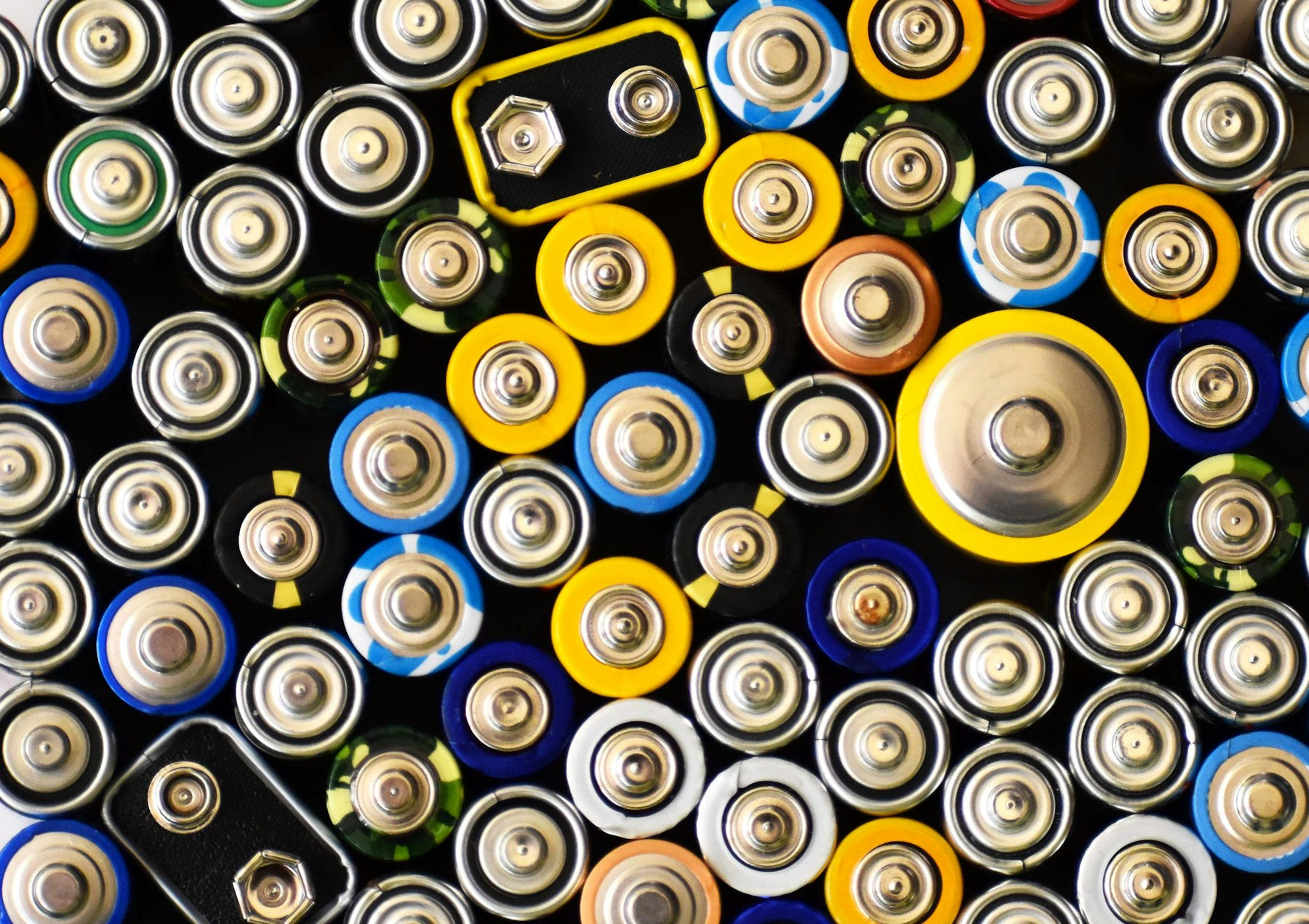
An exhausted battery can leak, and the residue corrodes contacts and circuits. A watch that only needed a new cell then needs a new movement. If a quartz watch stops and you are not replacing the battery straight away, have the old one removed. More in how long a watch battery lasts.
The hairspring in a mechanical watch is extremely sensitive to magnetism. Laptop lids, tablet covers, speakers, bag clasps and phone mounts all carry magnets strong enough to affect it, and a magnetized watch can suddenly gain minutes a day. Do not store a mechanical watch on a laptop or next to a speaker. Demagnetizing is quick and cheap at a watch shop if it happens.
Modern movements have shock protection, but it has limits. A watch dropped on tile, swung against a doorframe or worn for golf and tennis takes forces that can bend a balance staff or knock hands loose. Take it off for impact sports and heavy gym work, and put it on over a soft surface, such as a bed, rather than over a stone floor.
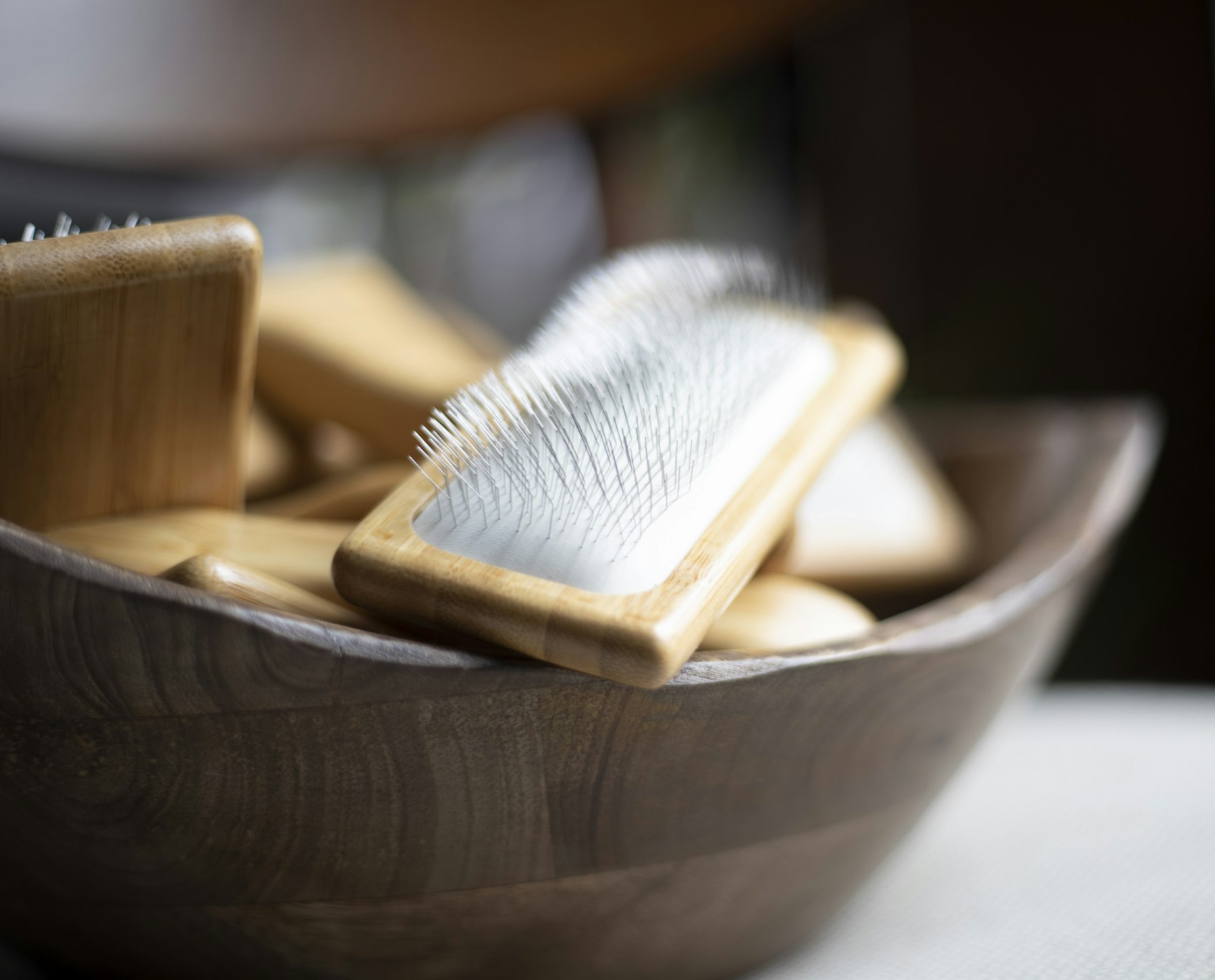
Household cleaners, alcohol and abrasive pads can strip coatings, dull polished surfaces and damage gaskets. Toothpaste, a popular internet tip, is mildly abrasive and leaves residue in bracelet links. A soft brush, lukewarm water with a drop of mild soap, and a microfiber cloth are all a steel watch needs, and only if the crown is in and the case sealed. Our guide to cleaning a steel watch covers it step by step.
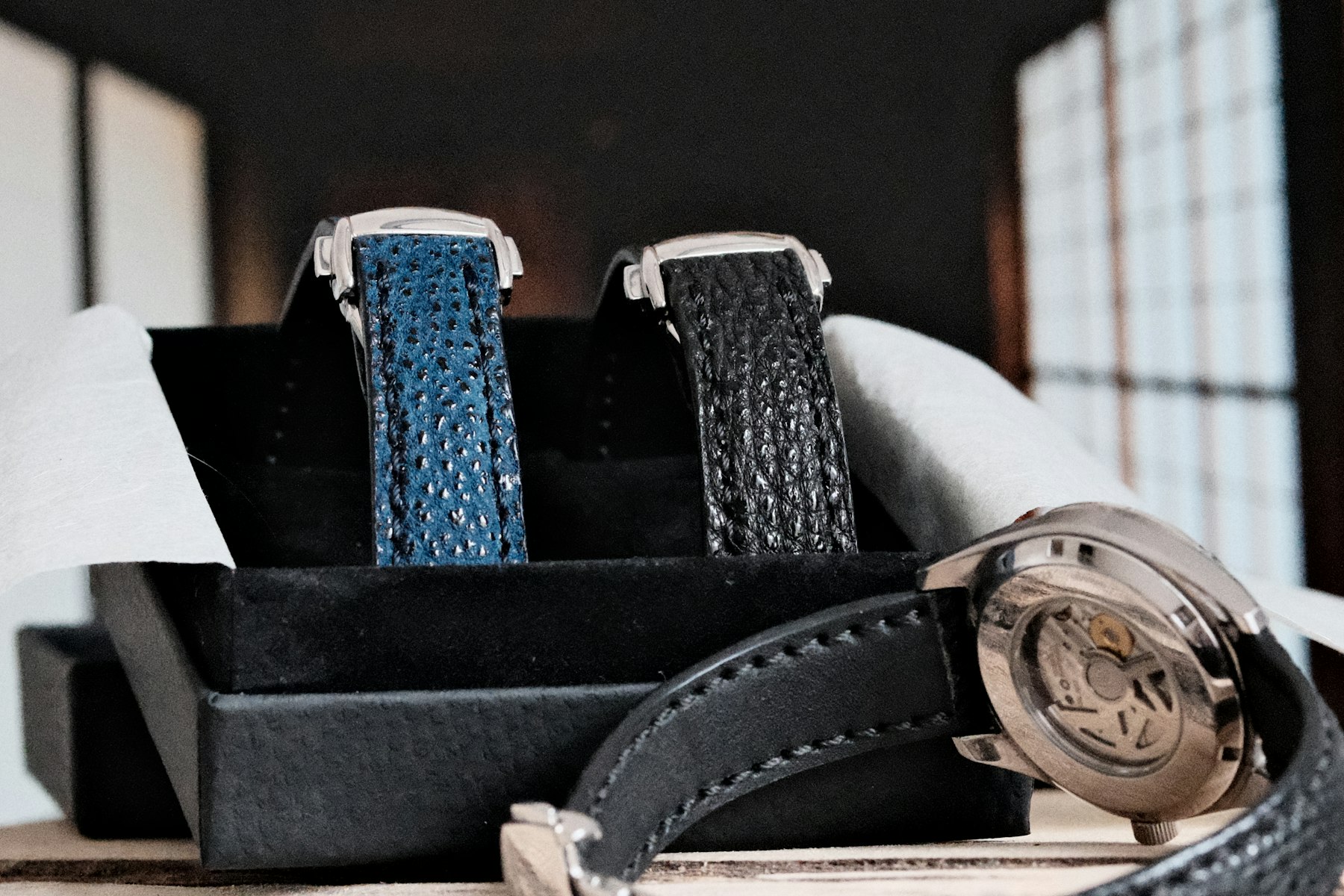
Leather absorbs water and sweat, and as it dries it stiffens, cracks and starts to smell. A strap worn every day through a hot summer can be finished within months. Keep leather for dry days, let it air out between wears, and fit rubber, fabric or a bracelet for anything wet.
Keys, coins and other watches scratch crystals, bezels and polished cases. Watches on bracelets scratch each other too. Store each watch separately, in its box, a soft pouch or a divided tray, and keep it away from direct sunlight, which fades dials and straps. If you will not wear a quartz watch for a long time, consider removing the battery. Our guide to storing watches has the details.
Beyond avoiding the mistakes, two positive habits make a large difference over the life of a watch:
None of this requires special tools or knowledge. A watch that is set at the right time of day, kept away from heat, magnets and water it was not made for, and stored with a little care, will outlast most of the things you buy in the same year. For a refresher on what each part of the watch does, see watch anatomy.
It is better not to, even with a water resistant watch. Hot water and steam make gaskets expand and contract, soap and shampoo degrade them, and over time that lets moisture in. Take it off; it takes two seconds.
Mechanical watches typically every five to ten years, depending on the maker's advice. Quartz watches need less, but it is worth having seals checked when the battery is changed on any watch you wear near water.
A mechanical watch that suddenly runs fast, often by minutes a day, is usually magnetized. Hold it near a compass; if the needle moves, it is. A watch shop can demagnetize it quickly.
Not if it is a sturdy watch on rubber, fabric or steel. Heavy lifting can scratch the clasp and crush the case against bars, so many people wear something cheap and tough, or nothing.
Michael Chen covers automatic watches, watch brands and Watch 101 for WatchesUnder: how movements work, how to size and care for a watch, and how the affordable brands compare. Prices in his guides are checked against each brand's own website.
Watch 101
Michael Chen·4 min read
Watch 101
Michael Chen·4 min read
Watch 101
Michael Chen·4 min read
Watch 101
Michael Chen·4 min read
We use cookies and similar technology to see which guides are read. When you arrive from an ad, we also pass the ad's click identifier to the store you visit from our links. You can accept or reject this, and change your choice any time under Cookie settings. Privacy policy