Watch 101
How to Clean a Stainless Steel Watch
 Michael Chen·4 min read
Most damage to watches happens in a drawer, not on the wrist: scratches from other watches, leaking batteries, faded straps. A few simple storage habits prevent all of it.
Prices checked October 9, 2026Compared across brandsHow we choose
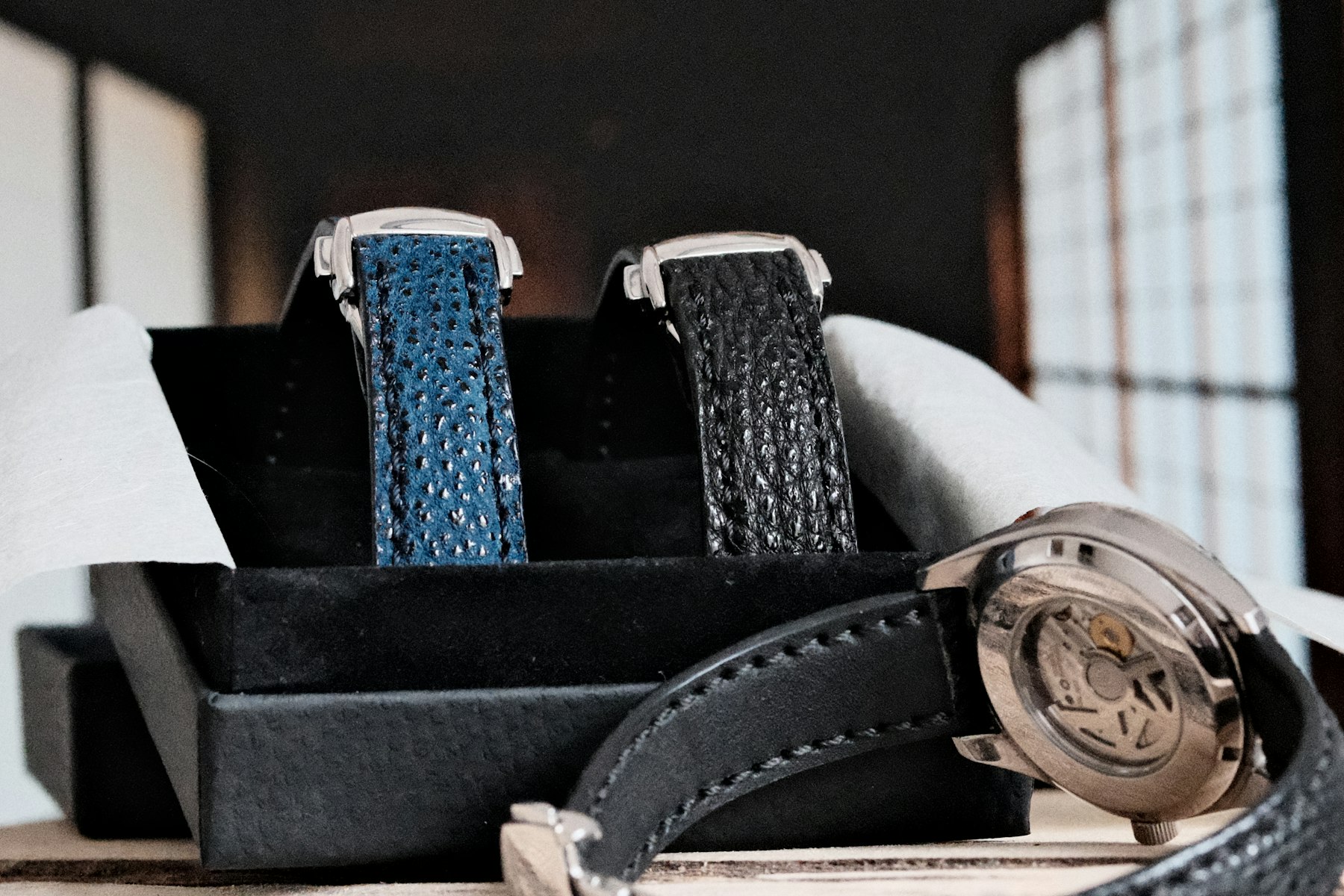
Store a watch carelessly for a few months and you may find a hairline scratch across the polished bezel, a dull bracelet, a strap that has curled, or a quartz watch with a dead battery that has started to leak. None of that comes from wearing it. It comes from where it sat in between. The good news is that proper storage is cheap and mostly common sense, once you know what actually harms a watch.
| Threat | What it does | Simple prevention |
|---|---|---|
| Contact with other watches | Scratches polished cases, bezels and crystals | One compartment per watch |
| Humidity | Can condense under the crystal, rots leather, encourages corrosion | A dry room, silica gel packs in the box |
| Direct sunlight | Fades dials and straps, heats the case | Closed box or drawer, away from windows |
| Heat and temperature swings | Thins lubricants, ages gaskets, drains batteries faster | Not on a radiator or in a car |
| Magnetism | Makes a mechanical watch run fast or stop | Distance from speakers and magnetic clasps |
| Old batteries | A dead cell left for years can leak and corrode the movement | Replace or remove when a long break is planned |
Price tracker · prices checked October 9, 2026
What one watch has cost over time, listed and per watch while the store ran its offer.
The standard answer, and the right one for most people with three or more watches. Look for individual compartments with removable cushions, a soft lining, and a lid that closes fully to keep out dust and light. A glass lid is nice for choosing what to wear but lets sunlight in, so keep it out of a bright window. Size the cushions to your wrist: a bracelet sized for a large wrist will not wrap around a small pillow without straining the clasp.
Perfectly good for one or two watches and worth keeping regardless, along with papers, spare links and receipts. They matter when you sell, gift or claim on a warranty.
A lined valet tray on a dresser works for the watch you wear daily; it is where you put it overnight. Just do not let several watches pile up in one tray.
Worth it for valuable pieces. Safes can be humid, so add a silica gel pack and swap it every few months. Keep a list with photographs and receipts somewhere separate.
Cleaning before storage helps too, since grime sitting between links holds salt against the metal. Our guide to cleaning a stainless steel watch covers the routine.
A watch winder is a box that slowly turns an automatic watch so its rotor keeps the mainspring wound. It means the watch is running and set when you pick it up, which is handy for a complicated watch with a moonphase or a perpetual calendar that takes time to set. For a simple time and date automatic, it is optional. Letting a mechanical watch stop does not harm it; you wind it with the crown and set it before wearing, a minute's work.
If you do use a winder, choose one with adjustable turns per day and direction, and avoid running a watch constantly for years, since it is still wearing parts while it turns. Owners of watches like the Spine, an automatic with an open dial, sometimes keep one on a winder simply because watching the movement work is half the appeal. That is a fine reason. It is just not a necessary one. More on the mechanism in how automatic watches work.
Quartz watches are the easy ones: they keep running in a drawer. Two things are worth knowing. On many quartz watches, pulling the crown out to the time setting position stops the seconds hand and reduces battery drain, although the circuit still draws a little power, so it extends rather than stops battery life. And a battery that dies inside a watch should be replaced fairly soon, because an exhausted cell left for years is the one most likely to leak. For typical battery life and what affects it, see how long a watch battery lasts.
Buy storage for the collection you expect to have in a year or two, not today's. A six slot case is a sensible start for someone building a small rotation; our article on how many watches you need explains why three or four tends to be where most people settle. And if a watch never leaves its cushion for a year, that is a signal to wear it, sell it or give it to someone who will, which is better for the watch than any box. For the habits that do the most harm between wears, read eleven watch care mistakes to avoid.
No. A winder keeps an automatic running so you do not have to set it, which is a convenience, not a necessity. Letting an automatic stop does it no harm; wind and set it when you next wear it.
If a quartz watch will sit unworn for a year or more, having the battery removed or replaced avoids the risk of an old cell leaking. For shorter breaks, simply leave it.
Not at all. Presentation boxes are padded and fine for a single watch. They are bulky for a collection, which is why people move to a multi slot case.
Strong magnets can make a mechanical watch run fast or stop until it is demagnetized. Quartz watches are rarely affected. Keep mechanical watches away from speakers, magnetic phone mounts and bag clasps.
Michael Chen covers automatic watches, watch brands and Watch 101 for WatchesUnder: how movements work, how to size and care for a watch, and how the affordable brands compare. Prices in his guides are checked against each brand's own website.
Watch 101
Michael Chen·4 min read
Watch 101
Michael Chen·4 min read
Watch 101
 Daniel Reyes·5 min read

Watch 101
Michael Chen·4 min read
We use cookies and similar technology to see which guides are read. When you arrive from an ad, we also pass the ad's click identifier to the store you visit from our links. You can accept or reject this, and change your choice any time under Cookie settings. Privacy policy
