Brands
Seiko Watches: A Buying Guide for 2026
 Michael Chen·6 min read
Japan's two biggest watchmakers overlap almost everywhere, but they power their watches differently. Seiko leads with automatics, Citizen with light. That one difference decides most purchases.
Prices checked October 9, 2026Compared across brandsHow we choose

Ask a watch salesperson to name two brands that cover the whole of the sensible middle of the market and you will usually hear Seiko and Citizen. Both are Japanese, both make their own movements rather than buying them in, and both sell a steel watch on a bracelet for a few hundred dollars that will outlast most phones. The reason they are worth comparing at all is that each has staked its range on a different idea of what should power a watch. Seiko's best known affordable watches are automatics that wind themselves as you move. Citizen's are Eco Drive, quartz watches that charge from any light falling on the dial. Get that choice right and the rest of the decision mostly falls into place.
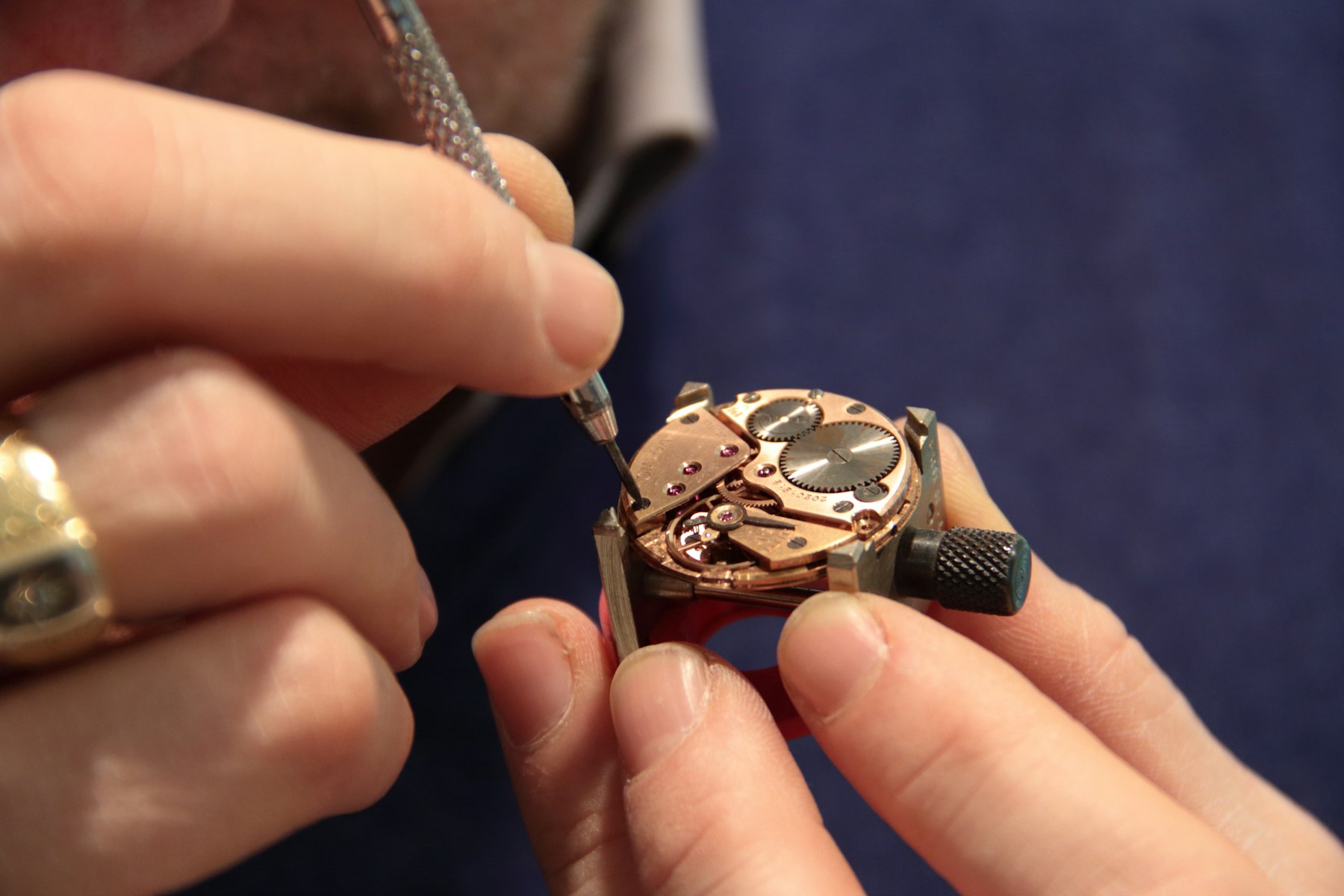
An automatic movement is a small machine. A weighted rotor spins as your wrist moves and winds a mainspring, which drives the hands through a train of gears. It is the traditional way to run a watch, it is pleasant to look at through a display caseback, and it needs no battery. It also gains or loses a few seconds a day, stops if you leave it off for a couple of days, and benefits from a service every several years. We explain the mechanism in how automatic watches work.
Eco Drive is quartz, so it keeps time to within seconds a month rather than seconds a day. The difference from an ordinary quartz watch is that a solar cell under the dial charges a rechargeable cell, so there is no battery to replace every few years. Put it on in the morning and you can ignore it for years. Seiko sells solar watches too, and Citizen sells automatics, but neither is the other company's strength. If you are still weighing up the two principles, our guide to quartz vs automatic goes through the trade offs in detail.
This is Seiko's home ground. The Seiko 5 Sports at $350 runs on Seiko's caliber 4R36 with a day and date, in a 42.5mm steel case with a rotating bezel and a blue dial. The Seiko 5 line goes back to 1963, and it is still the default answer when someone asks for a first mechanical watch from a brand they know. Citizen's answer is the Citizen Tsuyosa 40mm at $396: a 40mm automatic with a blue dial and a steel bracelet that flows out of the case in the integrated style. It is the dressier of the two, and it is listed slightly higher.
The two score evenly on our Value Score. The Seiko gives you a sports watch with a bezel and the weekday on the dial; the Citizen gives you a slimmer looking, more polished watch that works better with a shirt. If you would only ever own one automatic, the Seiko is the more versatile watch and the one with the deeper range of variants and straps. If the integrated bracelet look is what you are after, the Tsuyosa is the better made way into it at this price.
Here the roles flip. The Citizen Garrison Eco Drive at $236 is a field watch on a strap with Eco Drive inside: clear numerals, a date and nothing to maintain. Seiko's closest rival is the Seiko Essentials Solar SNE529 at $250, a solar three hand watch from its Essentials collection. They are close in price, and both will run for years without a visit to a jeweler.
The Citizen edges ahead because it costs a little less and comes with the longer warranty. Citizen also has far more solar models to choose from, across field, dress and dive styles, so if the Garrison is not quite right there is likely to be another Eco Drive that is. Seiko's solar offering is a smaller part of its catalogue.
| Seiko | Citizen | |
|---|---|---|
| Founded | Tokyo, 1881, by Kintaro Hattori | Forerunner institute 1918; Citizen Watch Co. 1930 |
| Signature technology | In house automatics (4R35, 4R36) | Eco Drive light powered quartz |
| Entry quartz | Seiko Essentials SUR361 Black, $225 | Citizen Garrison Eco Drive, $236 |
| Entry automatic | Seiko Essentials Automatic Blue, $315 | Citizen Tsuyosa 37mm, $396 |
| Dive style | Seiko Prospex Automatic Diver, $595 | Citizen Promaster Diver BN0151, $360 |
| Dress | Seiko Presage Style60's, $595 | Citizen Eco Drive Dress, $360 |
| Warranty (US store) | 3 years | 5 years limited |
| Returns (US store) | 30 days | 30 days |
*as listed on each brand's US website, October 2026
Two things stand out. First, Citizen's prices on its own store currently include a lot of reduced listings, so check the page on the day; Seiko's US prices move less often. Second, the dive and dress rows show how differently the two brands climb. Seiko's step up is the Presage, with its pressed pattern dials, and the Prospex divers, both automatic. Citizen's step up is more Eco Drive, in titanium or with more complications, rather than more mechanics.
By Seiko's own account, the company began in 1881 when a 21 year old Kintaro Hattori opened a shop selling and repairing watches and clocks in central Tokyo. It released the first quartz wristwatch, the Astron, on December 25, 1969, which is why Seiko is often credited with starting the quartz era. Citizen traces itself to the Shokosha Watch Research Institute, founded in 1918, with Citizen Watch Co., Ltd. established in 1930. Its corporate history also records that Bulova became a consolidated subsidiary in January 2008, which is why Citizen and Bulova now sit in the same group; we compare those two in Citizen vs Bulova.
Citizen's US store lists a five year limited warranty on its watches, with a shorter term for its smart watches. Seiko's US store lists three years. Both are long by the standards of this price range, and both brands are stocked by authorized jewelers across the US, which matters over a decade of ownership as much as the warranty period itself. An automatic will eventually want a service; an Eco Drive mostly will not, which tilts long term running costs slightly toward Citizen.
Seiko and Citizen start at a little over $200 for a steel watch on a bracelet from their own stores. If what you want is the look of a steel bracelet watch and the budget is closer to $100, the Lucky Fours Fortuno at $79.99 is a quartz watch with a teal sunray dial and a day date window. It is not a substitute for a Seiko automatic or an Eco Drive, but it covers the look for less. Our guide to the best watches under $200 lists more options at that level.
For more detail on each, read our Seiko buying guide and our Citizen buying guide.
Neither is better across the board. Seiko is the stronger choice for affordable automatics; Citizen is the stronger choice if you want a watch that runs on light and never needs a battery change. Both build their own movements.
It depends on the caliber, and Citizen lists the power reserve per model. Wearing the watch in normal daylight keeps it charged; if it stops after weeks in a drawer, leave it near a window to recover.
Citizen. Its US store states a five year limited warranty, while Seiko's US store states three years. Both accept returns within 30 days, with conditions listed on each site.
Yes. The Tsuyosa is the best known example, a 40mm automatic on a steel bracelet. Most of Citizen's range is Eco Drive solar, though. See our Citizen buying guide for the full picture.
Michael Chen covers automatic watches, watch brands and Watch 101 for WatchesUnder: how movements work, how to size and care for a watch, and how the affordable brands compare. Prices in his guides are checked against each brand's own website.
Brands
Michael Chen·6 min read

Brands
Michael Chen·4 min read

Watch 101
Michael Chen·8 min read
Brands
Michael Chen·4 min read
We use cookies and similar technology to see which guides are read. When you arrive from an ad, we also pass the ad's click identifier to the store you visit from our links. You can accept or reject this, and change your choice any time under Cookie settings. Privacy policy
