
Brands
Tissot Watches: The Entry to Swiss Watchmaking
 Michael Chen·4 min read
Both are the first Swiss watch for a lot of buyers, and both sit in the same corporate family. Tissot reaches lower in price; Hamilton owns the field watch. Here is how to choose.
Prices checked October 9, 2026Compared across brandsHow we choose
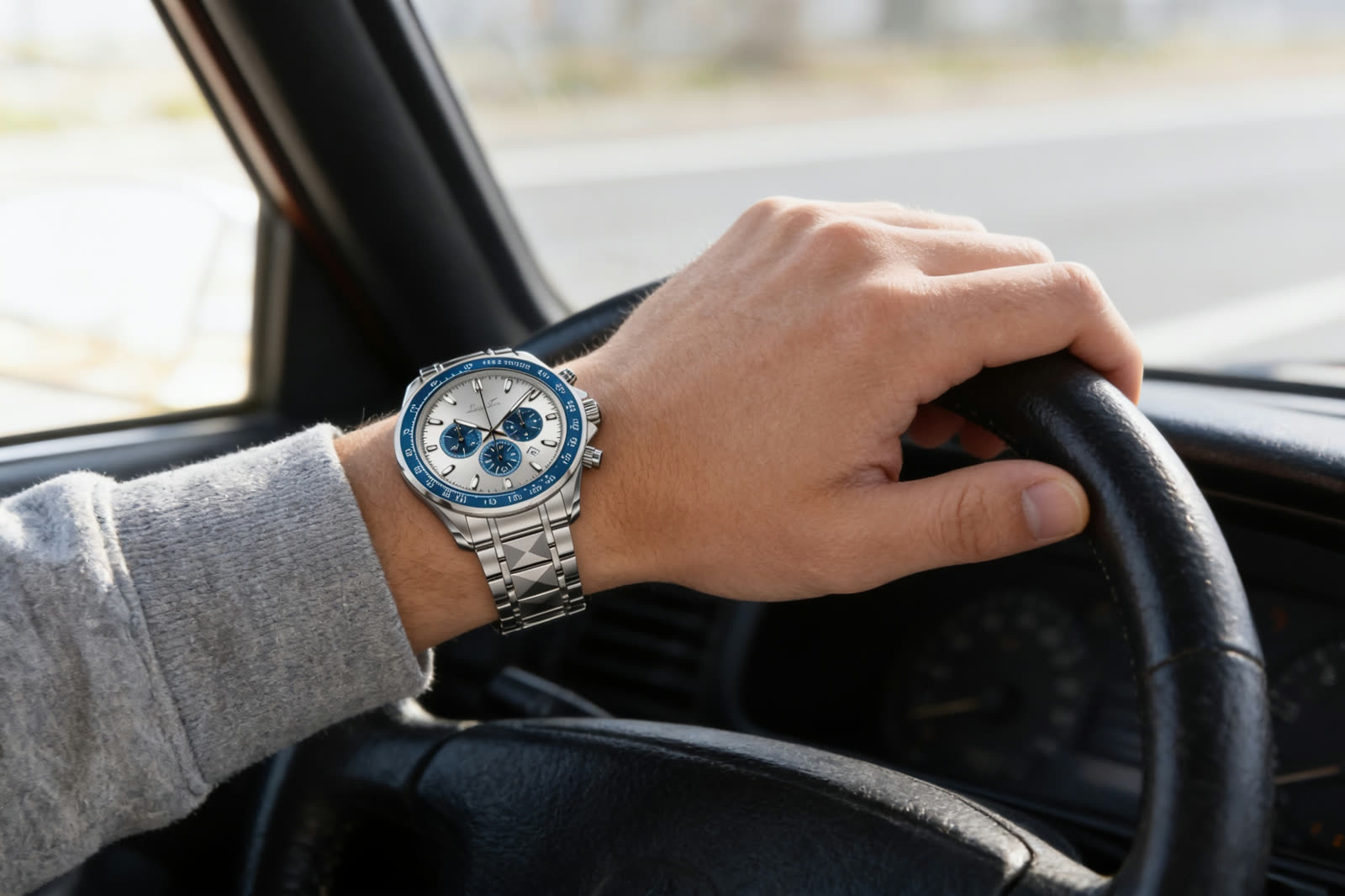
Ask a watch shop for a first Swiss watch under $1,000 and the conversation usually narrows to two names within a minute. Tissot and Hamilton cover the same price band, sell through the same kind of stores and, as the Swatch Group's own brand list shows, belong to the same parent company. They are still very different watches to own. Tissot is a Le Locle brand with roots in 1853 and a catalogue that leans toward clean, modern steel sports and dress watches. Hamilton started in Lancaster, Pennsylvania, in 1892, and although it now makes its watches in Switzerland, its most popular lines still trade on American military and film history. The useful question is not which is better, but which of their strengths you are paying for.
The clearest difference is the price ladder. Tissot has several watches under $500; Hamilton has very few, and most of its catalogue sits between $650 and $1,300. That is not a criticism, it is simply where the brand has chosen to live.
| Budget | Tissot | Hamilton |
|---|---|---|
| Under $400 | Tissot PR 100 40mm, $350 | Nothing in our data |
| $400 to $500 | Tissot PRX 40mm, $450 | Hamilton Jazzmaster Quartz 40mm, $475 |
| $500 to $700 | Tissot Seastar 1000 40mm, $515 | Hamilton Khaki Field Mechanical 38mm, $675 |
| $700 to $900 | Tissot Le Locle Powermatic 80, $715 | Hamilton Khaki Field Auto 38mm, $795 |
| Around $1,000 and up | Tissot Gentleman Powermatic 80, $950 | Hamilton Khaki Field Murph 38mm, $995 |
*as listed on each brand's US website, October 2026
If your ceiling is $500, the choice is mostly made for you: Tissot offers more, in more styles. Above $650 the two brands overlap properly, and the decision becomes about design.
The fairest entry level comparison is two 40mm steel quartz watches at almost the same price. The Tissot PRX 40mm has an integrated steel bracelet and a blue dial, a 1970s shape that has become one of the most talked about Swiss designs of the last few years. The Hamilton Jazzmaster Quartz 40mm is a more conventional round watch with a black dial on a steel bracelet, closer to a dress watch you could wear every day.
Both cost under $500 and both carry a two year warranty on the product page, so there is little between them on paper. The PRX is the more distinctive watch and the one people will recognize; the Jazzmaster is the quieter choice that will never look dated. We lean PRX for a first Swiss watch, because the design is what most buyers in this band are actually paying for. Our Tissot buying guide goes through the PRX family in detail.
Here Hamilton plays its strongest card. The Hamilton Khaki Field Mechanical 38mm is a black dial field watch on a fabric strap with a hand wound movement and an 80 hour power reserve, at $675. Its design draws on the watches Hamilton supplied to the US military, and it is the model the brand is best known for among enthusiasts. You wind it by hand every couple of days, which some owners enjoy and others forget.
Tissot's closest answer is the Tissot Le Locle Powermatic 80 at $715, an automatic dress watch on a strap with a display caseback. Its Powermatic 80 movement winds itself as you wear it and also runs for around 80 hours off the wrist.
These are not really competitors; they are answers to different questions. If you want a rugged, legible watch for weekends and travel, the Khaki Field is the classic. If you want a mechanical watch to wear with a shirt and tie, the Le Locle is the better fit. If you need the convenience of an automatic in a field watch, Hamilton's Hamilton Khaki Field Auto 38mm costs $795. Our explainer on quartz vs automatic helps if you are deciding between movements.
Spend an hour on both websites and the character of each brand comes through. Tissot is the more contemporary of the two: integrated bracelets, sunray dials, a diver in the Seastar and a deep line of steel dress watches. Its range feels designed for an office first and a weekend second. Hamilton's catalogue is organized around three themes, Khaki for field and aviation, Jazzmaster for dress, and the asymmetric Ventura, a shape Hamilton first launched in 1957. The Khaki watches carry military dial layouts with 24 hour scales; the Ventura is one of the few genuinely odd shapes still in production, and at $1,075 it is priced as a design piece rather than a value buy.

Both brands state two years of warranty on their product pages, both are carried by authorized dealers across the US, and both draw their movements from suppliers inside the same group, so a service is a routine job rather than a specialist one. Neither brand has an edge here worth paying for. The practical difference is what you will spend on servicing over the years: a quartz watch needs a battery every few years, while a mechanical watch benefits from a full service at longer intervals, which costs more. For a broader look at what you get for the extra money over Japanese brands, read Japanese vs Swiss watches.
For many readers, the real question is whether a Swiss watch is worth $450 or more at all. If what draws you to the PRX is the integrated bracelet shape rather than the movement, the Lucky Fours Caspian at $79.99 delivers that silhouette on a steel bracelet for a fraction of the price, with a quartz movement and a one year warranty against Tissot's two. For a field watch under $300 instead, see our Khaki Field alternatives.
Buy Tissot if your budget is under $500, you want a modern steel sports or dress watch, or the integrated bracelet PRX is the design you keep coming back to. Tissot gives you more choice at every step of the ladder.
Buy Hamilton if you want a field or aviation watch with a real military story, you are ready to spend $650 or more, or you want something with a little more character than a clean steel watch. The Khaki Field Mechanical remains one of the most recommended first mechanical watches for good reason.
Yes. Both appear among the watch brands of the Swatch Group on the group's own website, alongside Swatch itself.
Both, in a sense. Hamilton was founded in Lancaster, Pennsylvania, in 1892 and today makes its watches in Switzerland. Its field and aviation lines still draw on that American military history.
Tissot, at the entry level. The Tissot PR 100 40mm costs $350, while the least expensive Hamilton we found, the Hamilton Jazzmaster Quartz 40mm, costs $475. Most Hamilton models are above $500.
For a field watch, the Hamilton Khaki Field Mechanical 38mm at $675 is hand wound rather than automatic. For a true automatic, the Tissot Le Locle Powermatic 80 at $715 is the cheaper start. See how automatic watches work.
Michael Chen covers automatic watches, watch brands and Watch 101 for WatchesUnder: how movements work, how to size and care for a watch, and how the affordable brands compare. Prices in his guides are checked against each brand's own website.
Brands
Michael Chen·4 min read

Compare
 Daniel Reyes·5 min read
Brands
Michael Chen·4 min read

Price Guides
Michael Chen·4 min read
We use cookies and similar technology to see which guides are read. When you arrive from an ad, we also pass the ad's click identifier to the store you visit from our links. You can accept or reject this, and change your choice any time under Cookie settings. Privacy policy
