Daniel Reyes covers men's sports and everyday watches for WatchesUnder, mostly at the under $200 end of the market: what a watch costs, what it compares to, and whether the price holds up against the alternatives. Prices in his guides are checked against each brand's own website.
A hundred dollars buys more watch in 2026 than at any point before. Here is how the money splits between a steel bracelet, a mechanical movement and a famous name, and the watches we would buy at each end of the bracket.
Six styles cover almost every man's wardrobe. For each one we name the watch to buy under $100, what it does well, and the alternative from Casio or Timex if you would rather have the bigger name.
Under $50 the honest answer is a resin digital from Casio or Timex, and there is nothing wrong with that. Here are the ones worth buying, what you give up at this price, and the point at which a little more money changes everything.
The fifty dollars between $100 and $150 is the best spent money in affordable watches. It buys an automatic movement, a more elaborate bracelet or a design with a complication you can see. Here is what to buy with it.
Most men wear a watch in three settings: at work, off duty and out at night. We chose the best watch under $150 for each, then worked out how to cover all three without going over budget.
Under $200 the big names arrive in force. We put each one against its closest rival from Lucky Fours, five matchups in all, and say plainly which watch wins and for whom.
With $200 to spend, most men buy one watch. We think many would be better off with two that do different jobs. Here are the pairings that make sense, the maths behind them, and the single watches that beat any pair.
At $300 the major Japanese and American brands are fully in play. You can buy one very good watch from Seiko, Citizen or Timex, or you can buy three. We cover both routes and explain which buyer each one suits.
Almost every chronograph under $100 comes from an online brand, and the choice is really about the dial. We sorted the field into five styles, picked the best of each, and explain what to check before you buy.
Under $200 a chronograph buyer faces one real question: do you want the best stopwatch, or the best looking chronograph dial? We answer it for both kinds of buyer and name the watch each should buy.
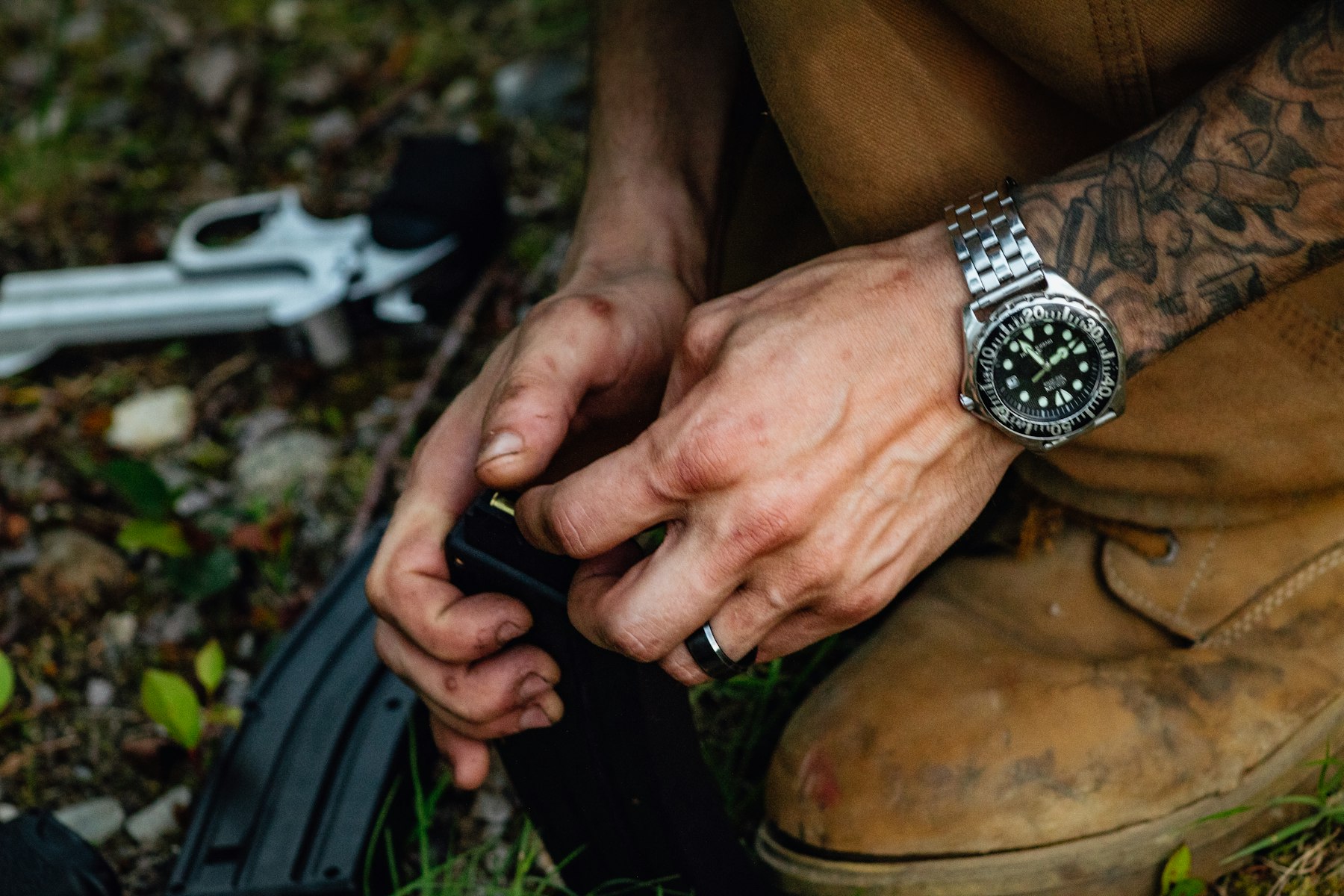
The steel diver is the most popular watch shape in the world, and under $100 you can have the look. What you mostly cannot have is a certified dive instrument. Here is how to tell the difference and the watches worth buying for the style.
No watch under $100 is solid gold, and none should pretend to be. What you can buy is a well made gold tone finish over steel. Here is how to tell a good one from a brassy one, and the gold watches worth buying.
A $100 watch keeps better time than most mechanical watches at any price, and it still has real limits. Here is what the money buys, component by component, and who should spend more.
Nice is not a price, it is a handful of details: a dial with texture, a bezel that catches light, a bracelet that tapers. Here are the seven details that matter, and the men's watches under $200 that get them right.
Four budgets, four sets of picks. What a man's watch buys under $100, under $200, under $300 and under $500, and the point at which each extra dollar stops buying much.
Cheap is a price, not an insult. Here are the men's watches under $100 that pass the tests we put any watch through, and the kinds of cheap watch we would steer you away from.
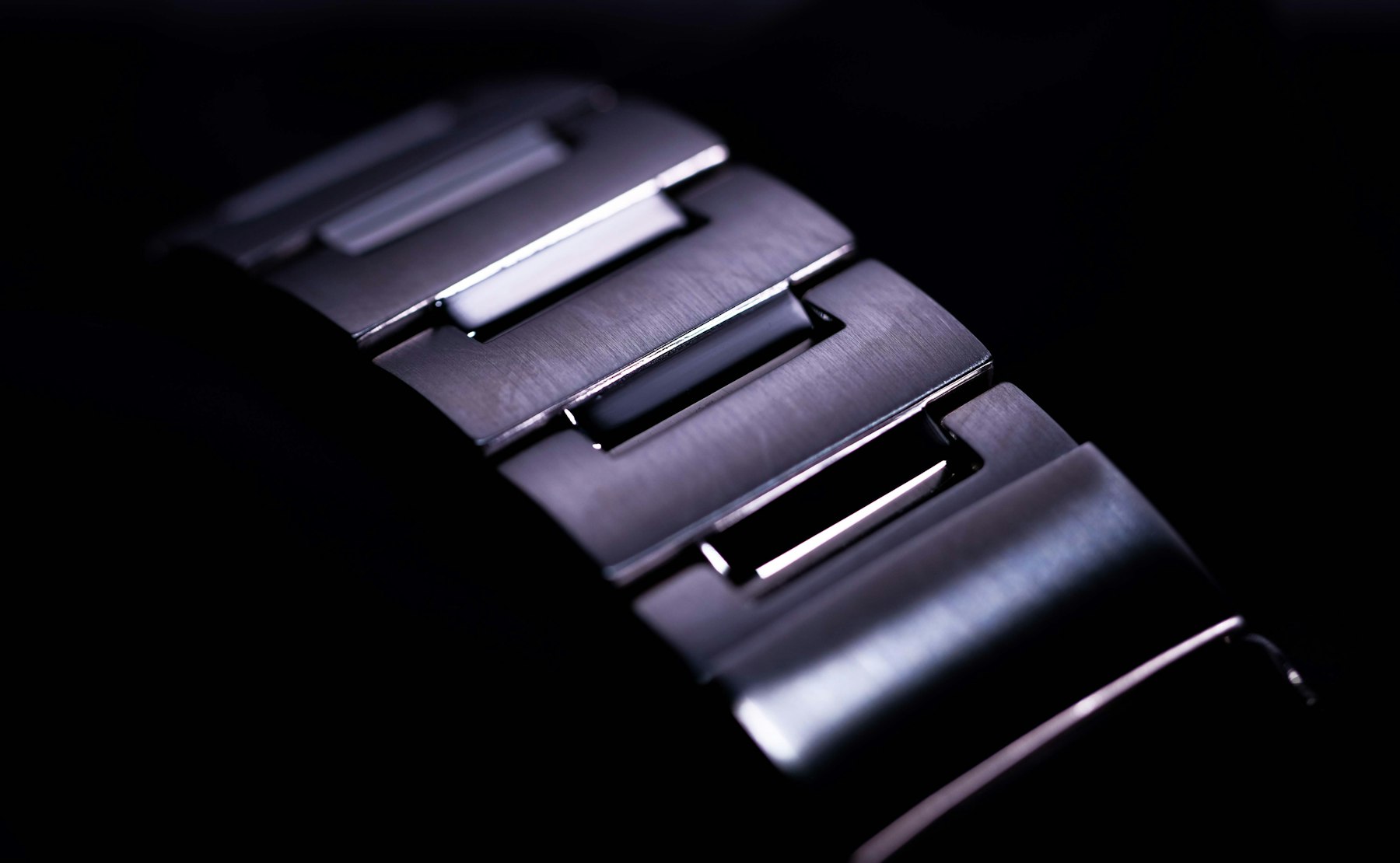
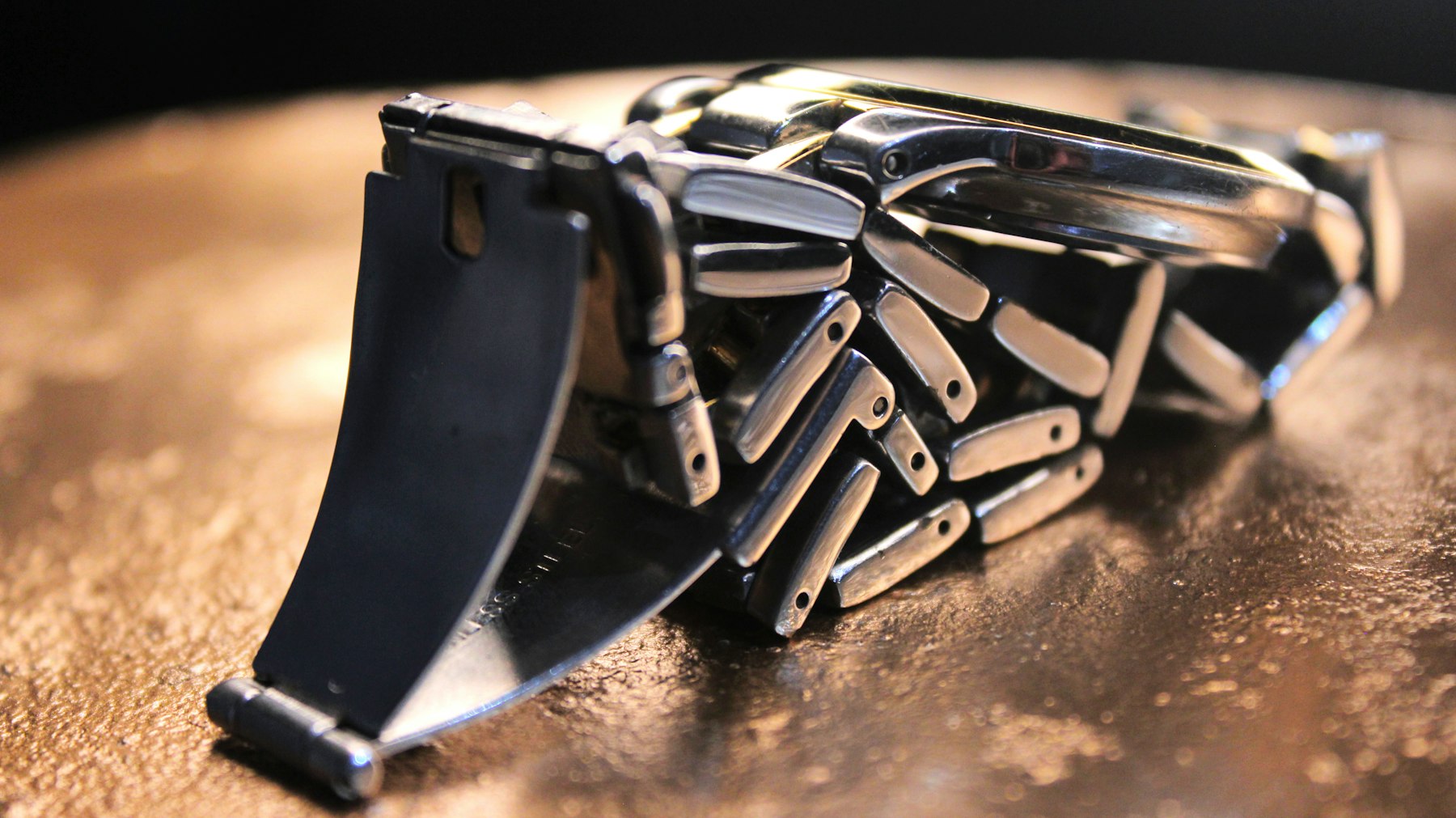
On a cheap watch, the bracelet tells you more about quality than the dial does. Here is how to judge one in thirty seconds, the bracelet styles worth knowing, and the steel bracelet watches under $100 we would buy.
An everyday watch has to survive the office, the gym bag, the weekend and a wedding without looking wrong at any of them. Here is the brief, a week long test of it, and the watches under $150 that pass.
A watch looks expensive because of a handful of specific details, not because of its price. We go through those details one by one and name the watches under $150 that get each of them right, plus the established brands worth paying more for.
The phrase covers two very different purchases. One buys you into real watchmaking for $400 to $1,000. The other buys you the look for under $150. We explain which is which and name the best of both.
A short checklist for telling a well made cheap watch from a cheap one, then five men's watches under $150 that pass it, and two from established brands that pass it too.
Gold is the fastest way for a watch to look expensive and the fastest way for it to look cheap. The difference comes down to tone, contrast and finish, all of which you can judge from a listing before you buy.
Most of what makes a watch look expensive happens after you buy it. Nine practical steps, from removing two bracelet links to choosing a strap, that make any affordable watch look like it cost more.
Under $100 you are choosing which luxury cues to keep and which to give up. These five watches choose well, and one established brand watch beats them on its own terms.
The right work watch depends less on your budget than on your dress code. We match watches to four kinds of office, explain the rules that make a watch look right with tailoring, and name the picks under $150.
The steel sports watch with a bracelet that flows out of the case now starts at about $13,500 in its best known Swiss form. Here is what the look costs at every level, and which watches deliver it for a fraction of that.
The eight sided bezel is one of the most recognizable shapes in watchmaking and, at the top, one of the hardest to buy. Here is how the design works, the details to check, and six affordable versions with different characters.
There are two ways to wear a day date: the classic fluted bezel with the day spelled out at twelve, or a modern minimal case with day and date side by side at three. We explain both and pick the best of each under $150.
A white dial with black subdials is the most recognizable chronograph layout there is. Here is why it works, how panda and reverse panda differ, and the affordable versions worth buying, on bracelets and on leather.
Stones on a watch can look like fine jewelry or like a costume. The difference is almost always restraint: where the stones go, how many there are, and what they sit against. Here are the rules and the watches that follow them.
Green has gone from oddity to one of the most popular dial colours there is. Not all greens are the same, though. We sort the best affordable green dials by shade and finish, and say which one suits which wearer.
Gold and green is the richest colour pairing in watches, and the easiest to overdo. Here is how to choose the right balance of metal and dial, what to wear with it, and which affordable watches get it right.
Blue is the safest bold choice in watches: more interesting than black, easier to wear than green. These are the blue dials worth buying under $150, and the established brand blues to consider if you can stretch.
An all black watch is the most understated statement you can wear. It also has quirks a steel watch does not: coatings that can scuff, dials that can be hard to read. Here is how to choose one, and the black watches we would buy.
A silver watch is really a steel watch, and the difference between a good one and a dull one comes down to finishing and dial. Here is how to choose, and the silver watches worth buying at every budget.
A gold watch is the boldest thing most men will ever wear, and the right one depends on how much gold you can carry. We sort the best gold tone watches by type, and explain what to expect from gold tone at this price.
Rose gold is warmer and softer than yellow gold and, on a man's wrist, often easier to wear. Few established brands make affordable men's rose gold watches, which is exactly where the direct to consumer brands step in.
Two tone, steel and gold on the same watch, went from fashionable to dated and back again. Here is how the look is built, which proportions work, and the best affordable two tone watches for him and for her.
A white dial is the most legible and, in many ways, the most formal dial colour there is. Here is the difference between white, silver, cream and panda, and the white dial watches we would buy at every budget.
The chronograph is the most popular complication in watchmaking and the easiest to buy badly. We sort the affordable ones by style, say which brands publish their stopwatch specifications, and show what the look costs at every level.
A tachymeter turns a stopwatch into a speedometer, and a black bezel around a panda dial is one of the most copied looks in watchmaking. Here is how to read one, and where to get the look for far less.
The field watch is the plainest tool in watchmaking and one of the easiest to own. We separate the true three hand field watch from the field style chronograph and name the best of each for the money.
A minimalist watch is defined by what is missing. We count what each dial leaves off, explain which omissions matter, and pick the best minimalist watches for men at sensible prices.
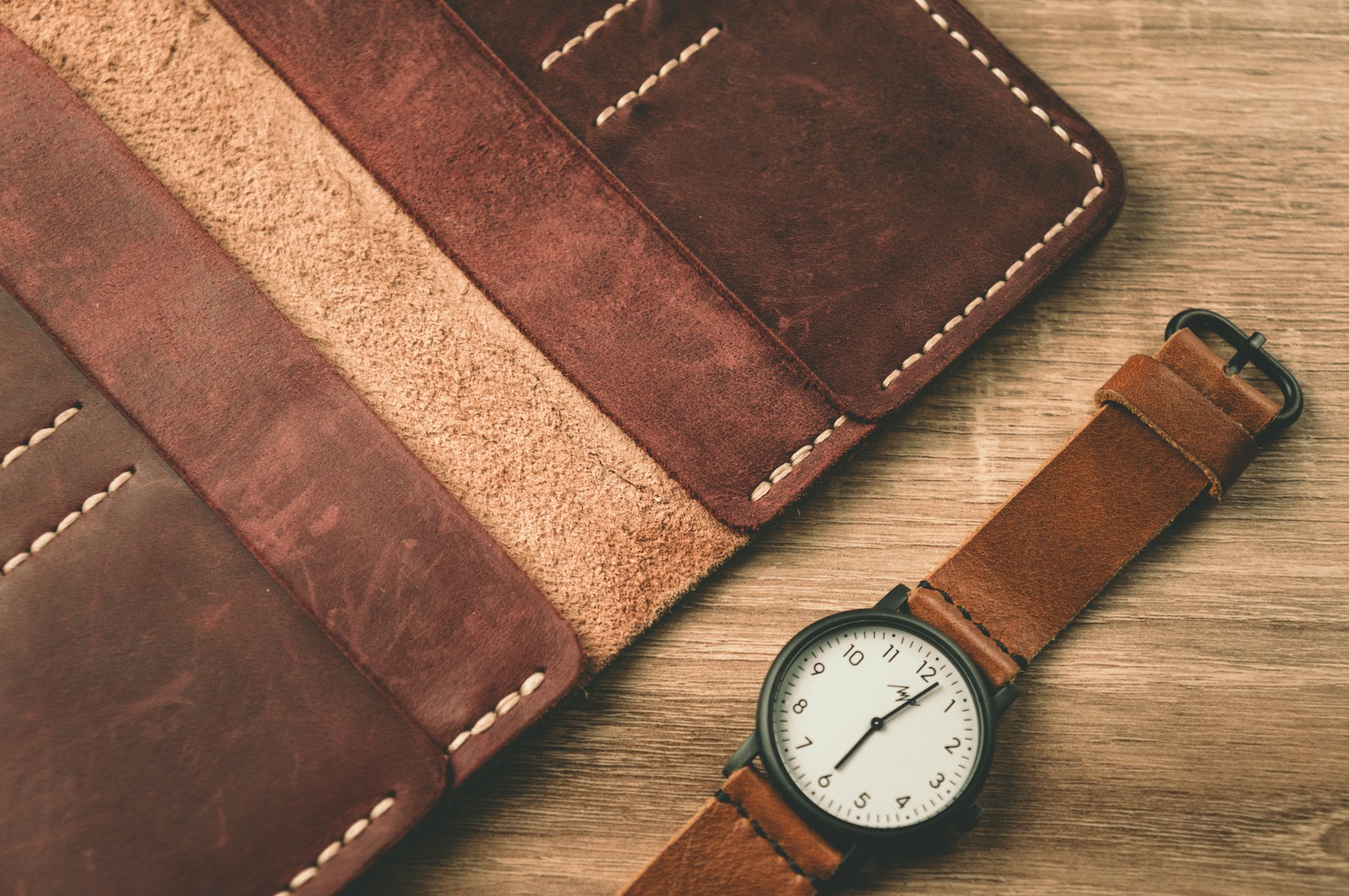
On a leather strap watch, the strap does half the work. We explain what separates a good one from a poor one, how to look after it, and which watches on leather are worth buying.
Rubber went from the cheapest strap in the drawer to a luxury signature in about forty years. We explain the materials, how to wear a rubber strap well, and the watches on rubber worth buying.
A statement watch is meant to be noticed. The trick is choosing the kind of attention you want. We sort the boldest affordable designs by what they say, and when each one works.
A big watch can look powerful or it can look borrowed. The difference is a measurement most buyers never take. Here is how to size a large watch properly, and the oversized designs we would choose.
Search for an Arabic numeral watch and you will find two different things. We explain the difference between Western and Eastern Arabic numerals on a dial, and pick the best affordable watches of each kind.
Every groomsman has a drawer with a monogrammed something in it. We looked at why some gifts get used for years and others are forgotten by the honeymoon, and what that means for choosing one.
Buying a watch for someone else is mostly a sizing problem. Solve that first and the choice under $100 gets easy. Here is how to work out his size without asking, and the watches that suit each answer.
Most fathers own one watch and have worn it for years. A Father's Day watch is the chance to give him the one he would never buy himself. Here is how to choose it, and how siblings can split the cost.
A birthday watch can be a small treat or the gift of a decade. We have arranged our picks by budget first, then matched them to the milestone birthdays where a watch carries extra meaning.
Online watch brands sell steel watches for under $100 that would cost far more through a jeweler. Some of that is real savings and some is marketing. Here is how the model works and how to judge a brand you found online.
Pelvini is an online watch brand built on bold designs, gold and black finishes and a buy one, get one free offer. Here is what its own store lists, what the watches cost for US buyers, and the alternatives worth comparing.
The honest answer is one, if you choose it well. The practical answer for most people is three: one for every day, one dressier, one for the weekend. Here is how to build that rotation and what it costs at different budgets.
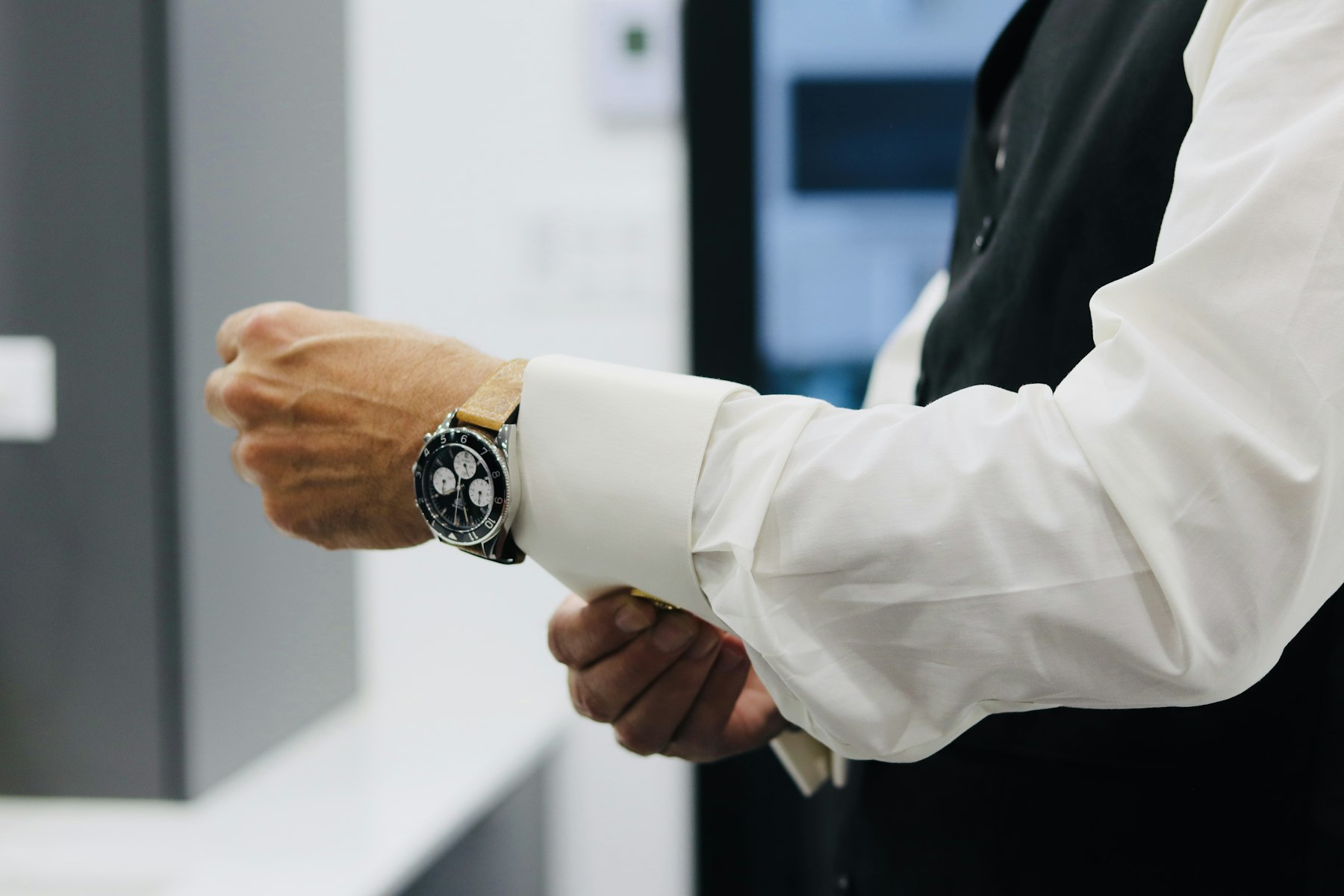
Which wrist, how high, how tight, and what to do with a shirt cuff. The rules of wearing a watch are few and mostly practical, and the handful of etiquette points are worth knowing before an interview or a wedding.
Dial colour does more to a watch's character than any other single choice. Here is what each common colour communicates, how texture and finish change it, and how to pick one you will still like in five years.
A steel bracelet and a strap change how a watch wears, how it ages and where you can take it. Here is how they compare on comfort, upkeep, sizing and style, and when each one is the better choice.
Timex has made honest, inexpensive watches for longer than almost anyone. Lucky Fours sells dressier steel designs on bracelets. We score the two brands over six rounds.
Casio makes the cheapest durable watches you can buy. Lucky Fours starts where Casio's plain steel watches end. We compare them at the three budgets where buyers actually choose.
Two budget brands that both sell sports watch looks for well under $150. Invicta wins on automatics and warranty, Lucky Fours on designs and bracelets. Here is the spec sheet, matchup by matchup.
MVMT and Lucky Fours both sell straight to you online and both price well under $200. One designs clean, minimal watches; the other echoes famous sports and dress watches. Here is how to choose.
Vincero sits a rung or two above Lucky Fours on price and spec sheets. We climb the price ladder step by step to show what the extra money buys at each level.
Nordgreen designs watches that say as little as possible. Lucky Fours designs watches that borrow from the most recognizable shapes in watchmaking. Which suits you depends on what you want your watch to say.
Daniel Wellington made the thin watch on a leather strap a fashion staple. Lucky Fours puts famous sports watch shapes on steel bracelets. We compare them separately for men and for women.
Olevs and Lucky Fours both sell steel watches online for well under $100. Olevs' listings are thin and sometimes contradict themselves, so we stick to the facts each store states clearly.
Pelvini and Lucky Fours sell at nearly the same prices and both run a buy one, get one free banner. With so much in common, the details on each listing decide it, so we went through them one line at a time.
MVMT made the slim, clean fashion watch an online staple. Several other brands now sell the same idea for less. We matched each MVMT favorite to cheaper watches that do the same job.
Daniel Wellington sells a simple quartz watch for around $200. Its two signature looks, the Petite on mesh and the Classic on leather, are easy to find for less. Here are the alternatives we would buy, and when the original still makes sense.
Invicta is cheap, and we will not pretend otherwise. But if its size, its busy designs or its pricing put you off, these are the sports watches we would look at instead, from under $100 to about $350.
The Khaki Field starts at $675, and most Hamilton models cost more than $500. Here is what you can keep of the field watch formula for under $300, and what you give up.
Nordgreen sells Danish design at around $200 to $240. The design rules behind it are older than the brand and followed by plenty of watches that cost less. Here is how to find them, and which ones we would buy.
We use cookies and similar technology to see which guides are read. When you arrive from an ad, we also pass the ad's click identifier to the store you visit from our links. You can accept or reject this, and change your choice any time under Cookie settings. Privacy policy
 Daniel Reyes·October 9, 2026·8 min read