Price Guides
What Does a Good Watch Actually Cost?
 Michael Chen·4 min read
A $100 watch keeps better time than most mechanical watches at any price, and it still has real limits. Here is what the money buys, component by component, and who should spend more.
Prices checked October 9, 2026Compared across brandsHow we choose
One hundred dollars is a strange number in watches. It is enough to buy a stainless steel watch that keeps time to within seconds a week, which would have seemed impossible fifty years ago. It is also a small fraction of what a watch from a well known Swiss brand costs, and people who care about watches sometimes talk about anything at this price as if it were disposable. Neither view tells you much. A better question is what, specifically, $100 buys, and which of the things it does not buy matter to you.
Take a watch apart, on paper, and the money divides into a handful of parts. Here is how a typical $100 watch from a reputable seller compares, part by part.
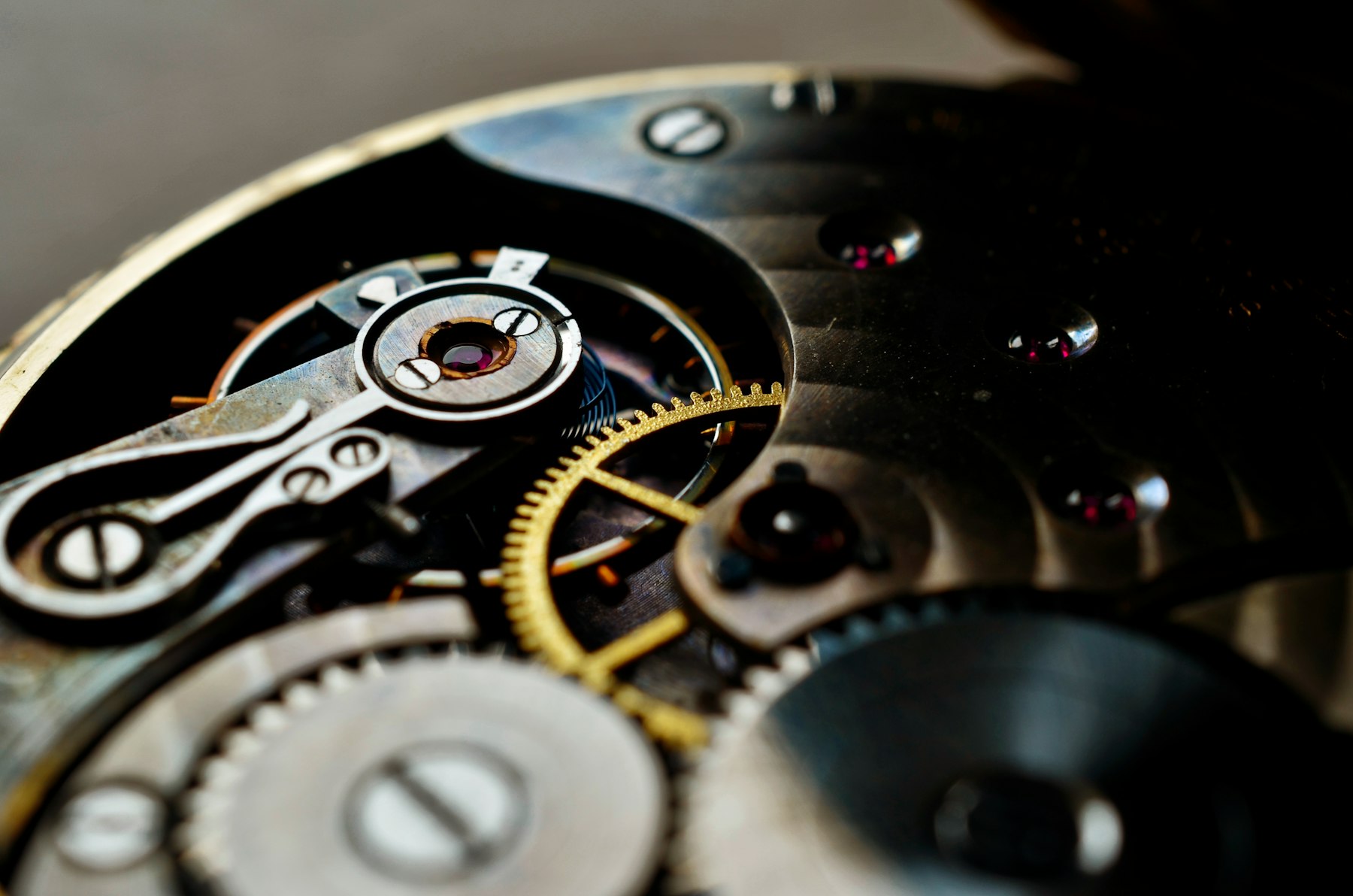
Almost every watch at this price uses a quartz movement, usually made in Japan by one of a few large movement makers. A battery drives a quartz crystal that vibrates at a fixed frequency, and the result is accuracy of a few seconds a week. That is better than most mechanical watches costing thousands. This is the part of a $100 watch that is genuinely as good as it needs to be. The trade off is that cheap quartz movements are rarely repaired; when one fails, a watchmaker swaps in a new one. Our explainer on quartz vs automatic goes deeper.
At $100, 316L stainless steel is common, the same alloy used across much of the watch industry. Where watches differ is in construction. A better bracelet uses solid links and solid end pieces where it meets the case; a cheaper one uses folded steel, which is lighter and rattles. The finishing, the alternation of brushed and polished surfaces, is simpler than on expensive watches.
Expect mineral glass. It is clear and perfectly adequate, but it scratches more easily than the harder crystals used further up the market. This is one of the clearest limits of a watch at this price.
This is where good $100 watches have improved most. Sunray, ribbed and checkered textures that used to be reserved for expensive watches are now common, and they are what make a cheap watch look like more. What you rarely get is applied, hand set markers with the crisp edges of a luxury dial, or strong luminous paint.
A $100 watch typically comes with a one year warranty and the store's return policy. You are not buying a service network or a name that will hold its value. Resale is close to zero, which matters only if you planned to sell.
Watch Index · prices checked October 9, 2026
Every watch this guide mentions, ranked by Value Score or by what one watch costs today with each store's current offer counted.
| Price | Example | What changes |
|---|---|---|
| About $55 | Casio AE1200WHD World Time, $54.95 | Digital, very durable, no design ambition beyond function |
| About $80 to $90 | Casio MTP1302D Dress Watch, $89.95; Lucky Fours Fortuno, $79.99 | Analog, steel bracelet; the online brands add textured dials and stronger design |
| About $225 | Seiko Essentials SUR361 Black, $225 | An established maker's finishing, luminous hands, a known service network |
| About $350 | Seiko 5 Sports SKX Mid Size, $350 | An automatic movement that can be serviced for decades |
*as listed on each brand's US website, October 2026
The largest jump in what you get is from $50 to $100, where watches move from function to design and from resin or plated metal to steel. The next jump, to $200 to $350, buys finishing and longevity rather than looks.
None of these limits affects how well the watch keeps time, which is the part most people assume will be worse.
For most people, yes, provided you choose one with a steel case, a Japanese quartz movement and a design you like. It is the price where the most value per dollar lives. A watch such as the Lucky Fours Fortuno, a steel sports watch with a teal sunray dial and a day date window, shows what that looks like in practice, and with the brand's current buy one, get one free offer two of them cost $79.99.
It is less worth it in three cases: if you want a watch to keep for decades and service, if you care about how the case is finished under close inspection, or if you want a name that means something to other watch people. In those cases, save for a $300 to $500 watch from Seiko, Citizen or Tissot; our guide to the best watches under $500 is the place to start. And if you are unsure what you want at all, a $100 watch is the cheapest way to find out. Wear it for six months, and you will know far more about the watch you want next than any guide can tell you. For the full ladder of prices beyond that, read what a good watch actually costs.
A quartz watch with a stainless steel case can run for many years with a battery change every couple of years. Straps, coatings and crystals show wear first. A cheap movement is usually replaced rather than repaired when it eventually fails.
They do different jobs. A $100 analog watch does one thing, tells the time, and runs for years without charging. A smartwatch does many things and needs charging most days. Many people wear both.
It depends on what you want: Casio and Timex for simple, durable designs, and online brands such as Lucky Fours for steel watches with more ambitious design. See the best watches under $100.
Batteries, straps, bracelet pins and sometimes crystals, yes, cheaply. The movement itself usually costs more to repair than to replace, which is one of the honest differences between a $100 watch and a $500 one.

Daniel Reyes covers men's sports and everyday watches for WatchesUnder, mostly at the under $200 end of the market: what a watch costs, what it compares to, and whether the price holds up against the alternatives. Prices in his guides are checked against each brand's own website.
Price Guides
Michael Chen·4 min read

Price Guides
Daniel Reyes·8 min read

Watch 101
Michael Chen·8 min read

Price Guides
We use cookies and similar technology to see which guides are read. When you arrive from an ad, we also pass the ad's click identifier to the store you visit from our links. You can accept or reject this, and change your choice any time under Cookie settings. Privacy policy
